Alpine Plants Native to the Alps
12 plant profiles · Learn how to grow plants native to the Alps, from Arolla Pines to Christmas Roses, with advice on drainage, soil, and cold tolerance.
Plants from the European Alps are defined by their ability to withstand extreme cold and poor, rocky soils. These species have evolved to survive short growing seasons and heavy snow loads, making them ideal for high-latitude gardens or rockeries. When selecting from this group, you need to consider your garden drainage and soil pH, as many species are specific about their limestone or acidic granite origins.
You can choose based on mature height and seasonal interest. The Arolla Pine (Pinus cembra) and Mountain Pine (Pinus mugo) provide year-round structure, while the European Larch (Larix decidua) is a rare deciduous conifer that turns gold before dropping its needles. For early colour, the Winter Heath (Erica carnea) and Spring Crocus (Crocus vernus) often bloom while snow is still on the ground in late winter or early spring.
If you have a shaded rock garden, the Christmas Rose (Helleborus niger) offers white flowers in mid-winter. For sunnier, well-drained slopes, the Yellow Gentian (Gentiana lutea) produces tall spikes of yellow flowers, though it requires patience as it grows slowly from a deep taproot. The Bigroot Geranium (Geranium macrorrhizum) is a reliable groundcover that suppresses weeds even in dry, stony areas. These plants share a common need for sharp drainage; they rarely tolerate waterlogged soil during the winter months.

Alpine Blue Sow-Thistle
Cicerbita alpina
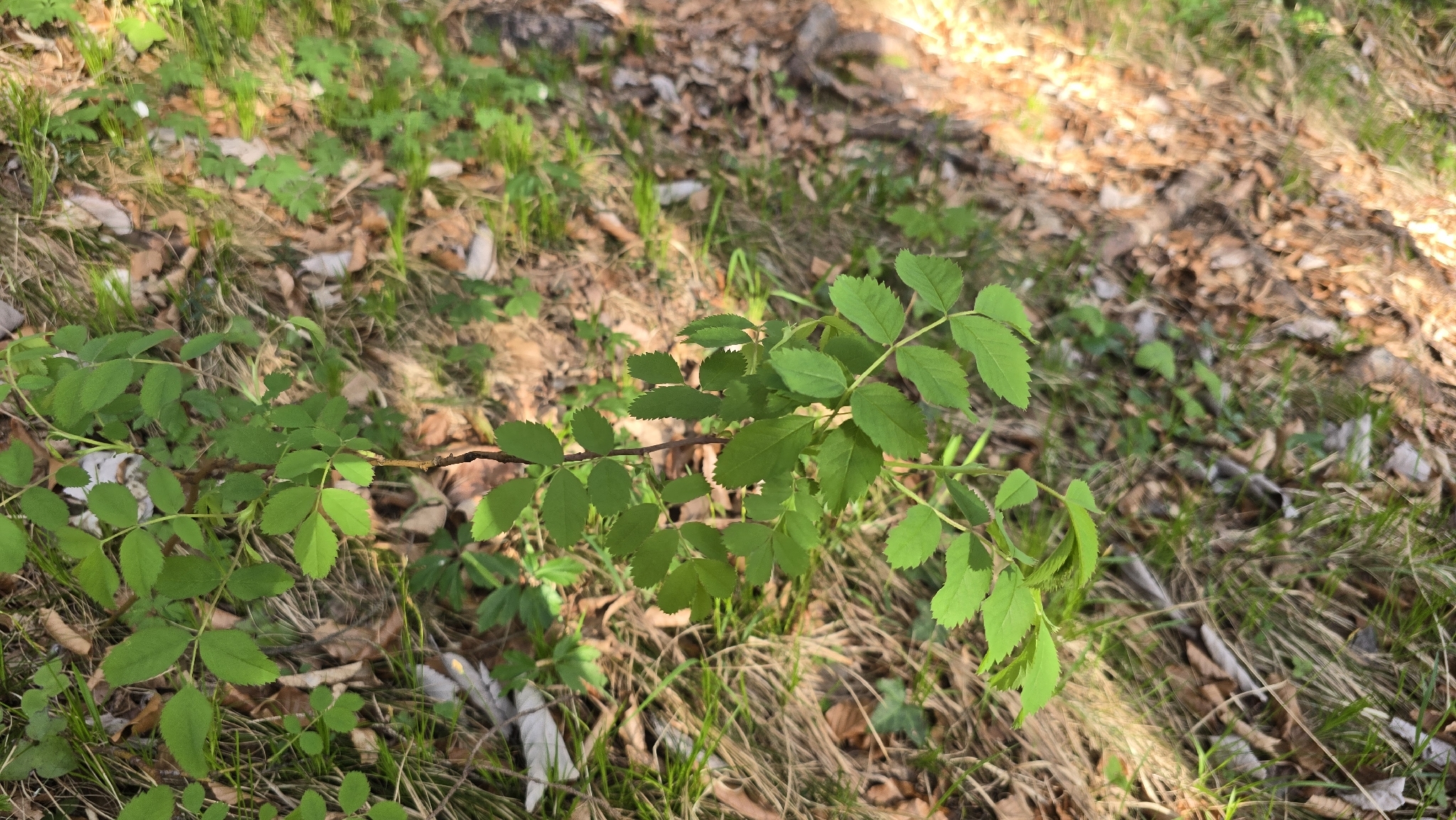
Alpine Rose
Rosa pendulina
☀️ Partial Sun 💧 Moderate
Arolla Pine
Pinus cembra
☀️ Full Sun 💧 Moderate

Bigroot Geranium
Geranium macrorrhizum
☀️ Partial Shade 💧 Low

Christmas Rose
Helleborus niger
☀️ Partial Shade 💧 Moderate

Common Peony
Paeonia officinalis
☀️ Full Sun 💧 Moderate

European Larch
Larix decidua
☀️ Full Sun 💧 Moderate

Mountain Pine
Pinus mugo
☀️ Full Sun 💧 Low

Spring Crocus
Crocus vernus
☀️ Full Sun 💧 Moderate
Winter Heath
Erica carnea
☀️ Full Sun 💧 Moderate
Yellow Corydalis
Pseudofumaria lutea
☀️ Partial Shade 💧 Moderate

Yellow Gentian
Gentiana lutea
☀️ Full Sun 💧 Moderate
Common Questions
Can Alpine plants grow in warm climates?
Most plants from the Alps require a cold dormancy period and often struggle in regions with high humidity or summer nights that stay above 20 °C (68 °F).
What soil is best for plants from the Alps?
You should provide gritty, well-drained soil with a mix of organic matter and stone chippings to mimic the natural scree slopes of their native habitat.
Do Alpine plants need full sun?
While many species like Mountain Pine require full sun to maintain a compact shape, others such as Yellow Corydalis (Pseudofumaria lutea) prefer partial shade and damp crevices.