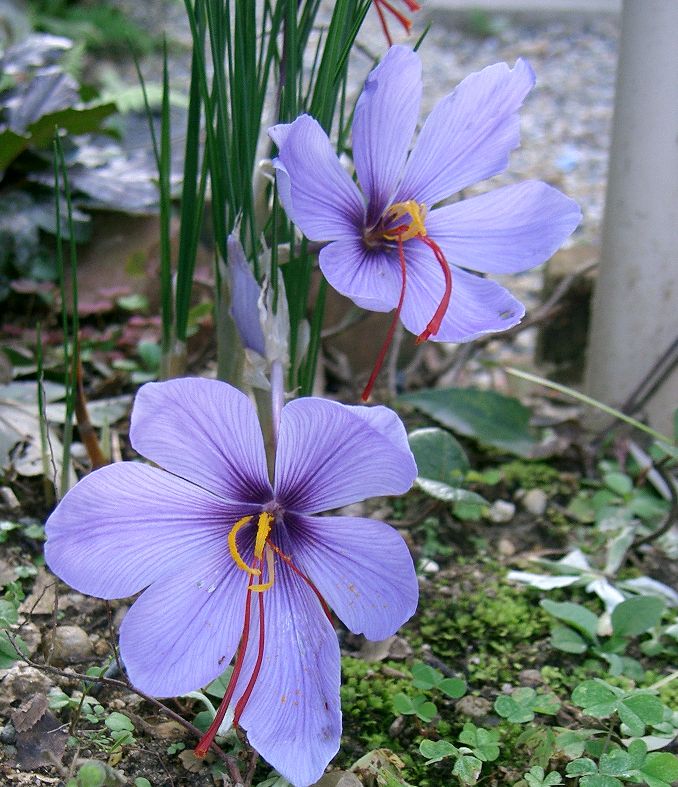
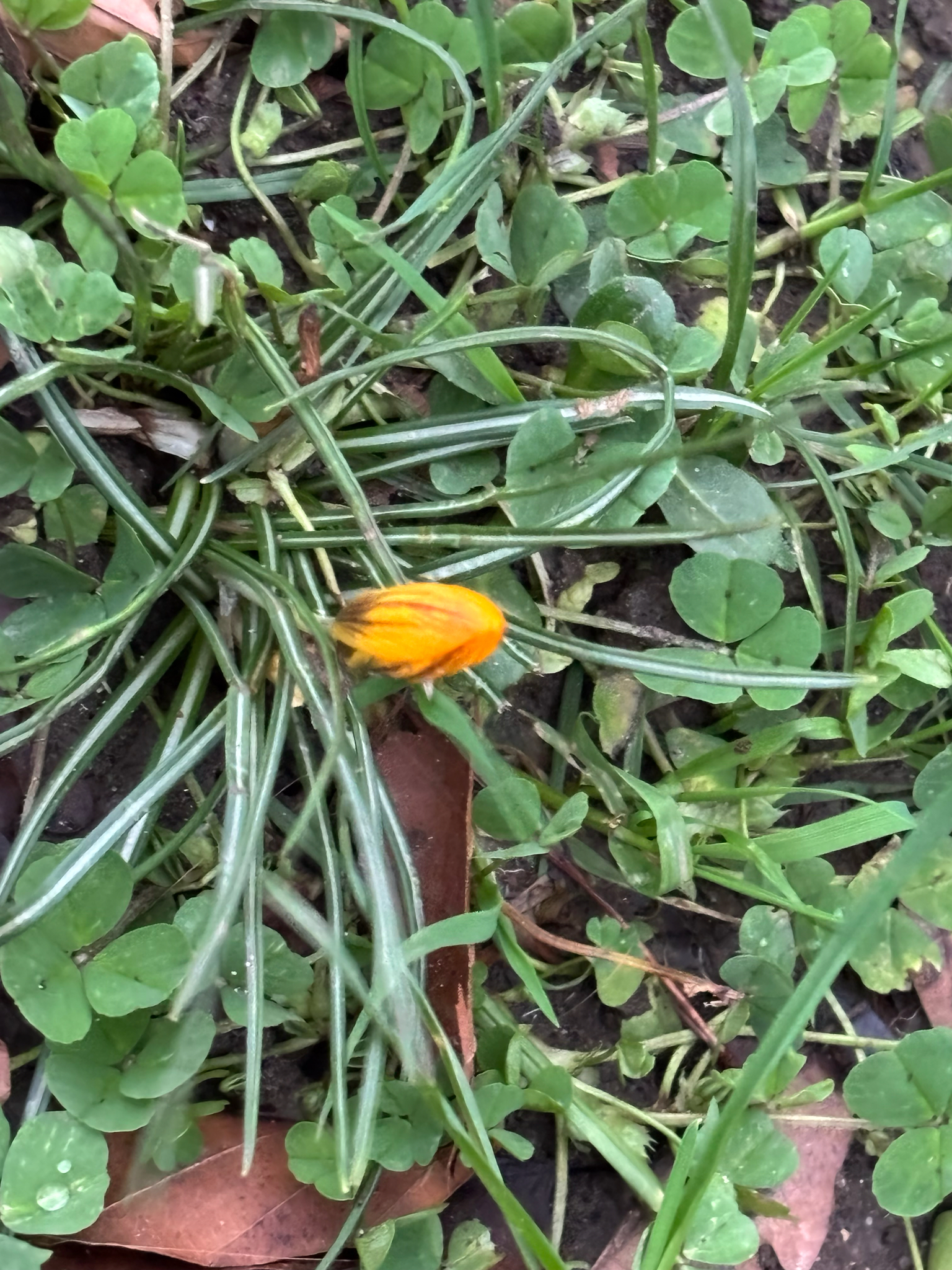
Spring crocus (Crocus vernus) is a perennial, corm-forming geophyte native to the alpine meadows and woodlands of central and southern Europe, known for its goblet-shaped flowers that emerge in late winter. Cultivated varieties, commonly called Dutch crocuses, produce blooms up to twice the size of wild mountain forms.
These plants require a cold winter chilling period to initiate flower buds and will fail in climates without sustained frost. Because the foliage dies back completely by late spring, they can be established directly within deciduous lawns and woodland edges before turf grasses begin rapid growth.
Key Facts
- Planting depth: 8–10 cm (3–4 in) deep
- Flowering period: late winter to early spring
- Light: full sun to partial shade
- Hardiness: USDA zones 3 through 8
- Toxicity: mildly toxic to pets and humans if eaten
- Soil drainage: sharp drainage essential to prevent corm rot
Where Spring Crocus Fits in the Garden
Spring crocus fits best in sunny borders, rock gardens, and naturalised turf where it can capture early-season sunlight before surrounding vegetation leafs out. Because it finishes its above-ground life cycle before most lawn grasses require regular mowing, it integrates into open meadows and tree canopies.
This species suits gardeners who want low-growing ground color that returns reliably year after year without supplemental summer watering. It requires an environment with distinct winter cold, failing to develop flower buds in frost-free subtropical or tropical regions.
Identifying Spring Crocus: Flowers, Leaves, and Corms
Spring crocus is recognised by its goblet-shaped flowers standing 10–15 cm (4–6 in) tall and slender leaves with a distinctive silver-white midline. Each corm produces one to three upright blossoms that open wide during sunny mornings and close tightly at dusk or during overcast weather.
The structural characteristics of this species include:
- Flower structure: six petal-like tepals forming a deep cup, housing three prominent yellow anthers and a central orange-yellow, three-lobed style.
- Flower colour: pure white, rich purple, lilac, or striped violet (‘Pickwick’ pattern).
- Foliage: linear, grass-like leaves measuring 2–4 mm (0.1–0.15 in) wide, deep green with a crisp white stripe running down the center.
- Corm anatomy: flattened-globose underground storage organ measuring 2–3 cm (0.8–1.2 in) wide, wrapped in a brown fibrous tunic of parallel threads.
Light and Soil Requirements for Spring Crocus
Plant spring crocus in full sun to light dappled shade with gritty, exceptionally well-drained soil. In early spring, sites under deciduous trees receive ample light before the tree canopy leafs out, providing optimal conditions for photosynthesis.
Soil drainage prevents the subterranean storage tissues from rotting during winter and summer dormancy. Heavy clay soils should be amended with coarse horticultural grit or pumice, maintaining a soil pH between 6.0 and 7.5. Standing water during warm summer months causes immediate fungal decay of dormant corms.
How and When to Plant Spring Crocus Bulbs
Bury dormant corms 8–10 cm (3–4 in) deep in autumn between September and November, well before the ground freezes solid. Point the tapered tip upward, setting the flattened root plate directly against the bottom of the planting hole.
To create natural-looking colonies rather than formal rows, follow these planting guidelines:
- Spacing: plant corms 5–8 cm (2–3 in) apart for dense border drifts.
- Lawn planting: slice an ‘H’ shape into turf with a flat spade, peel back the grass sod, loosen the soil, nestle 10–20 corms in the depression, and fold the sod back over.
- Orientation: keep the pointed shoot terminal facing upward; sideways corms still emerge but lose vigor.
- Initial moisture: soak the soil thoroughly once after planting to initiate autumn root establishment.
Watering and Feeding Spring Crocus
Rely on natural seasonal precipitation from autumn through early spring, watering only during unusually dry spells while active shoots emerge. Supplementary watering must cease entirely once the leaves begin to yellow in late spring.
Fertilising requirements are minimal in fertile soils. If your soil is sandy or depleted, apply a granular, low-nitrogen bulb fertiliser (such as a 5-10-10 formula) or a light dusting of bone meal directly over the planting area in early autumn. Avoid high-nitrogen feeds, which encourage weak, disease-prone leaf growth at the expense of flower development.
Pruning and Cutting Back Foliage
Never cut green foliage until at least six weeks after flowering has finished, allowing the leaves to turn yellow and limp naturally. Photosynthesis during this post-bloom window replenishes carbohydrates in the daughter corms for next year’s flowers.
If planted in turf, delay your first lawn mowing until the crocus leaves have withered to ground level, usually by mid-May. Cutting foliage too early starves the corms and causes flower counts to drop sharply within two seasons. Once the leaves are brown and dry, pull them away with a gentle tug.
Spring Crocus Flowering Season and Ephemeral Habit
Spring crocus blooms for two to three weeks between February and April, functioning as a true early-spring ephemeral that retreats into dormancy by early summer. Individual blossoms open only when ambient temperatures exceed roughly 10 °C (50 °F) and direct sunlight hits the petals.
Unlike autumn crocus (Colchicum autumnale), which blooms in September without foliage, spring crocus emerges alongside its narrow green leaves at the very start of the growing season. Following pollination by emerging bumblebee queens (Bombus), seed capsules develop at soil level, ripening just as the above-ground leaves senesce and disappear.
How to Propagate Spring Crocus
Propagate established clumps by lifting and separating daughter cormels in late summer while the plant is completely dormant. Each parent corm produces one to three replacement corms each season, gradually forming congested clusters that decline in bloom size over time.
Dig the clusters carefully with a garden fork in August or September, clean away loose soil, and gently pry the offsets apart by hand. Replant the largest offsets immediately at the standard 8–10 cm (3–4 in) depth; tiny offsets can be planted in a nursery bed where they will grow on to flowering size over two to three years.
Winter Hardiness and Cold Chilling Needs
Spring crocus requires 12 to 15 weeks of soil temperatures below 7 °C (45 °F) to break internal physiological dormancy and flower properly. It thrives through freezing winters down to USDA zone 3 (-40 °C / -40 °F) under snow cover.
Frost does not injure emerging flower buds or open blooms, which often withstand late snowfalls by collapsing temporarily and rising again once temperatures climb above freezing. In regions with warm winters (USDA zones 9 and above), corms will produce foliage but fail to produce flowering stems.
Common Spring Crocus Pests and Problems
The primary threat to spring crocus is underground consumption and digging by squirrels, voles, and mice during autumn and winter. Rodents detect the starch in corms and can unearth dozens of newly planted bulbs overnight.
Protect your plants and diagnose symptoms using these targeted controls:
- Rodent digging: lay galvanized hardware cloth (wire mesh with 1 cm / 0.5 in openings) over the planting bed before backfilling with topsoil.
- Yellow foliage during bloom: caused by saturated, waterlogged soil; relocate corms to a raised or gravelly bed to stop fungal root rot.
- Missing petals and severed stems: early-season garden snails and slugs feeding on tender flower buds during damp spring nights; use organic iron phosphate baits.
- Foliage without flowers: corms are overcrowded or planted in excessive shade; lift and divide clumps in late summer.
Year-Round Spring Crocus Care Calendar
| Spring | Enjoy blooms in early spring; allow leaves to remain untouched for at least six weeks after flowers fade; avoid mowing lawn areas where corms are naturalised until foliage browns. |
|---|---|
| Summer | Leave dormant soil dry; lift and divide overcrowded corm clusters in August if flower counts declined in previous seasons. |
| Autumn | Plant dormant corms 8–10 cm (3–4 in) deep between September and November; topdress beds with balanced bulb fertiliser or bone meal; install wire mesh barriers over new plantings to deter rodents. |
| Winter | Allow snow cover to provide natural insulation; monitor ground for disturbance by burrowing voles or mice during mild thaws. |
Troubleshooting Spring Crocus Problems
| What you see | Likely cause | What to do |
|---|---|---|
| Holes in soil and missing corms in autumn | Squirrels or rodents digging up planted corms | Cover planting beds with hardware cloth mesh buried under 2 cm (1 in) of topsoil. |
| Lush foliage produces no flower buds | Overcrowded corm clumps or excessive nitrogen fertilizer | Lift, divide, and replant crowded clumps during late summer dormancy and avoid high-nitrogen fertilizers. |
| Flower petals look ragged and shredded | Slugs and snails feeding during wet nights | Apply iron phosphate bait pellets around emerging flower tips in early spring. |
| Shoots turn soft, brown, and pull out easily | Corm rot from standing water and poor drainage | Excavate affected corms, discard rotted tissue, and move survivors to gritty, free-draining soil. |
Popular Dutch Crocus Cultivars
- Flower Record – deep violet-purple blooms on sturdy stems
- Jeanne d’Arc – pure white petals with delicate purple base
- Pickwick – pale lilac tepals striped with dark violet
- Grand Maître – classic lavender-blue flowers with yellow anthers
- King of the Striped – violet stripes over a white ground
- Remembrance – rich dark silvery-purple large goblets
Best Companion Plants for Dutch Crocus
Pair spring crocus with other early-flowering geophytes and dwarf perennials that share its preference for full spring sun and dry summer dormancy. Mixing species extends the floral display across late winter.
Effective companion plantings include:
- Snowdrops (Galanthus nivalis): pure white flowers that open simultaneously or slightly ahead of purple crocus.
- Winter aconite (Eranthis hyemalis): buttercup-yellow flowers that form a low ground cover alongside violet crocus cultivars.
- Dwarf netted iris (Iris reticulata): structural, deep blue and purple blossoms that match the height of Dutch crocus.
- Miniature daffodils (Narcissus ‘Tête-à-tête’): bright golden blooms that take over as the crocus display finishes.
Frequently Asked Questions
What is the difference between spring crocus and autumn crocus?
Spring crocus (Crocus vernus) blooms from February to April with its leaves, whereas autumn crocus (Colchicum autumnale) blooms in September without foliage and belongs to a completely different botanical family (Colchicaceae). Autumn crocus contains deadly colchicine alkaloids, making it far more toxic than spring crocus.
Is spring crocus edible, and does it produce saffron?
No, spring crocus is not edible and does not produce saffron. Culinary saffron comes exclusively from the dried red stigmas of Crocus sativus, an autumn-blooming species with distinct purple flowers.
Are spring crocus bulbs poisonous to dogs and cats?
Yes, spring crocus is mildly toxic to dogs and cats because its corms contain calcium oxalate crystals and related compounds. Ingestion causes drooling, mouth irritation, vomiting, and diarrhea, though it rarely causes fatal organ failure.
What is the traditional meaning or symbolism of spring crocus?
In traditional floriography, spring crocus represents youth, gladness, rebirth, and cheerful optimism because its blossoms emerge through snow before other spring plants awaken.
Are crocus considered spring ephemerals?
Yes, spring crocus is a classic spring ephemeral plant that completes its above-ground vegetative growth, blooming, and seed production within an 8- to 10-week window before entering summer dormancy.
Sources & Verification
Taxonomy and distribution are checked against the databases below. Care guidance is written for cultivated species only and reviewed by our editor. How We Build Plant Profiles →
- Royal Horticultural SocietyCultivar profiles and cultivation guidelines
- Kew Plants of the World OnlineNative distribution and taxonomy
- North Carolina State Extension Gardener Plant ToolboxMorphology, landscape use, and toxicity notes
- Missouri Botanical GardenHardiness, cultural requirements, and pests
- GBIF — Global Biodiversity Information Facilitytaxonomy, synonyms, occurrence records
- Wikipediageneral reference