Bulb Plants: Identification, Types, and Care Guide
53 plant profiles · Learn how to select, plant, and care for 32 bulb plants, including true bulbs, corms, and tubers with distinct flowering seasons and cold needs.
Bulb plants survive severe cold or prolonged drought by storing water, starch, and nutrients underground in modified fleshy structures. In horticulture, the term covers true bulbs with concentric scales, such as hyacinth (Hyacinthus orientalis) and Madonna lily (Lilium candidum), alongside structurally distinct corms, tubers, and rhizomes. These geophytes share a distinct annual cycle consisting of rapid vegetative growth, an intense flowering phase, and a dormant period during which the top growth dies back completely.
Success with bulbs requires free-draining soil and precise seasonal timing. Species that bloom in early spring, such as common grape hyacinth (Muscari botryoides) and glory of the snow (Scilla luciliae), demand 10 to 14 weeks of temperatures below 7 °C (45 °F) to break internal dormancy and initiate flower stalks. In contrast, summer- and autumn-flowering geophytes, including pineapple lily (Eucomis comosa) and bowden lily (Nerine bowdenii), develop roots in warm soils and often suffer root rot or freeze damage if soil temperatures drop below freezing.
When choosing bulbs for your garden, match the species to your region's winter hardiness and soil moisture patterns. Architectural selections like giant onion (Allium giganteum) reach heights of 1.5 m (5 ft) and thrive in open borders, whereas paperwhite (Narcissus tazetta) can be forced indoors on gravel without cold stratification. Take precautions during planting and handling: many common species produce toxic alkaloids or calcium oxalate crystals, and autumn crocus (Colchicum autumnale) contains lethal concentrations of the toxin colchicine.

African Cornflag
Chasmanthe floribunda
☀️ Full Sun 💧 Moderate

Angel’s Tears Daffodil
Narcissus triandrus
☀️ Full Sun 💧 Moderate

Autumn Crocus
Colchicum autumnale
☀️ Full Sun 💧 Moderate

Beach Spider Lily
Hymenocallis littoralis
☀️ Full Sun 💧 High

Belladonna Lily
Amaryllis belladonna
☀️ Full Sun 💧 Low

Blue Allium
Allium caeruleum
☀️ Full Sun 💧 Low
Bowden Lily
Nerine bowdenii
☀️ Full Sun 💧 Low

Checker Lily
Fritillaria affinis
☀️ Partial Shade 💧 Moderate
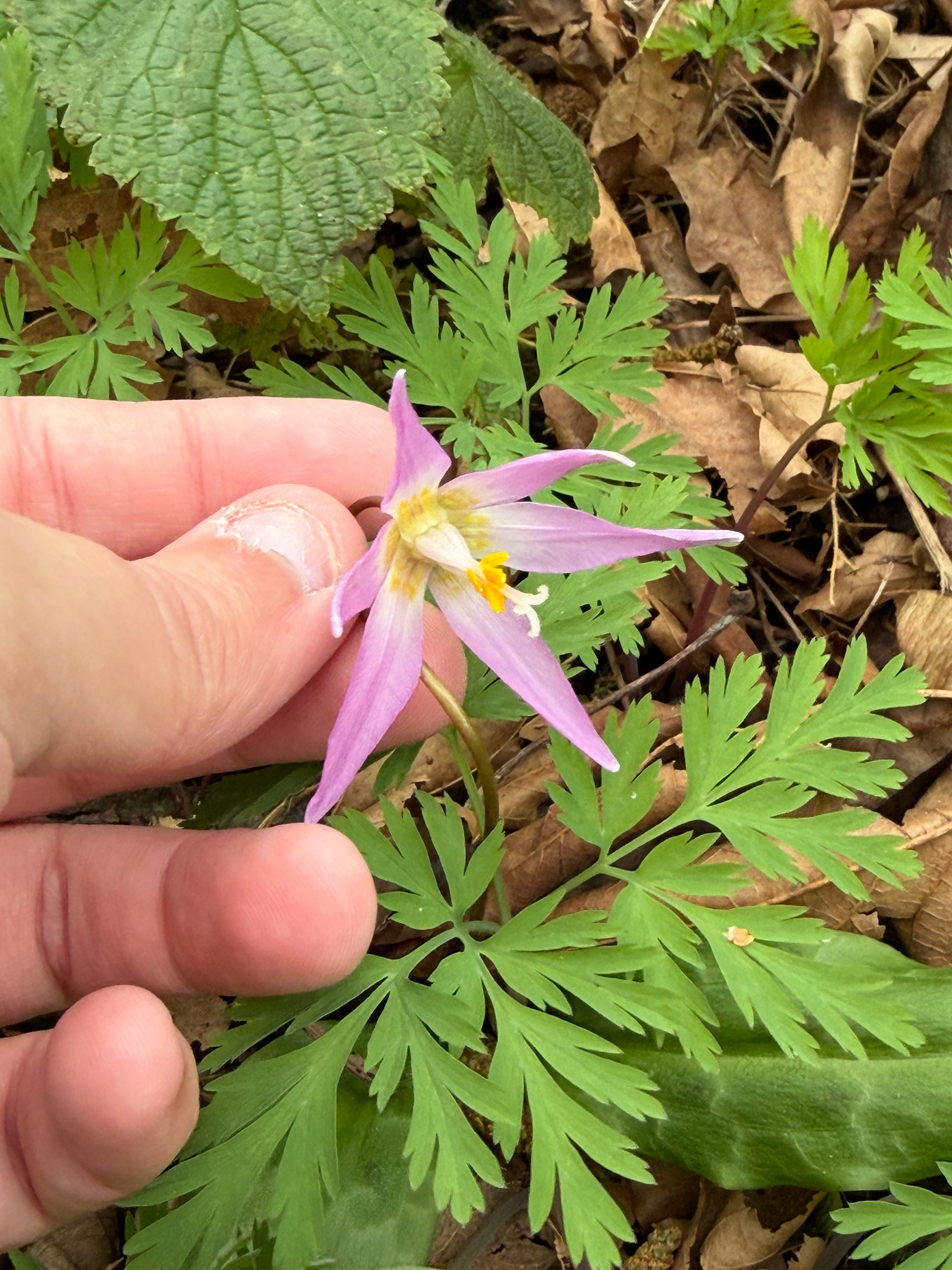
Coast Fawn Lily
Erythronium revolutum
☀️ Partial Shade 💧 Moderate

Common Grape Hyacinth
Muscari botryoides
☀️ Full Sun 💧 Moderate
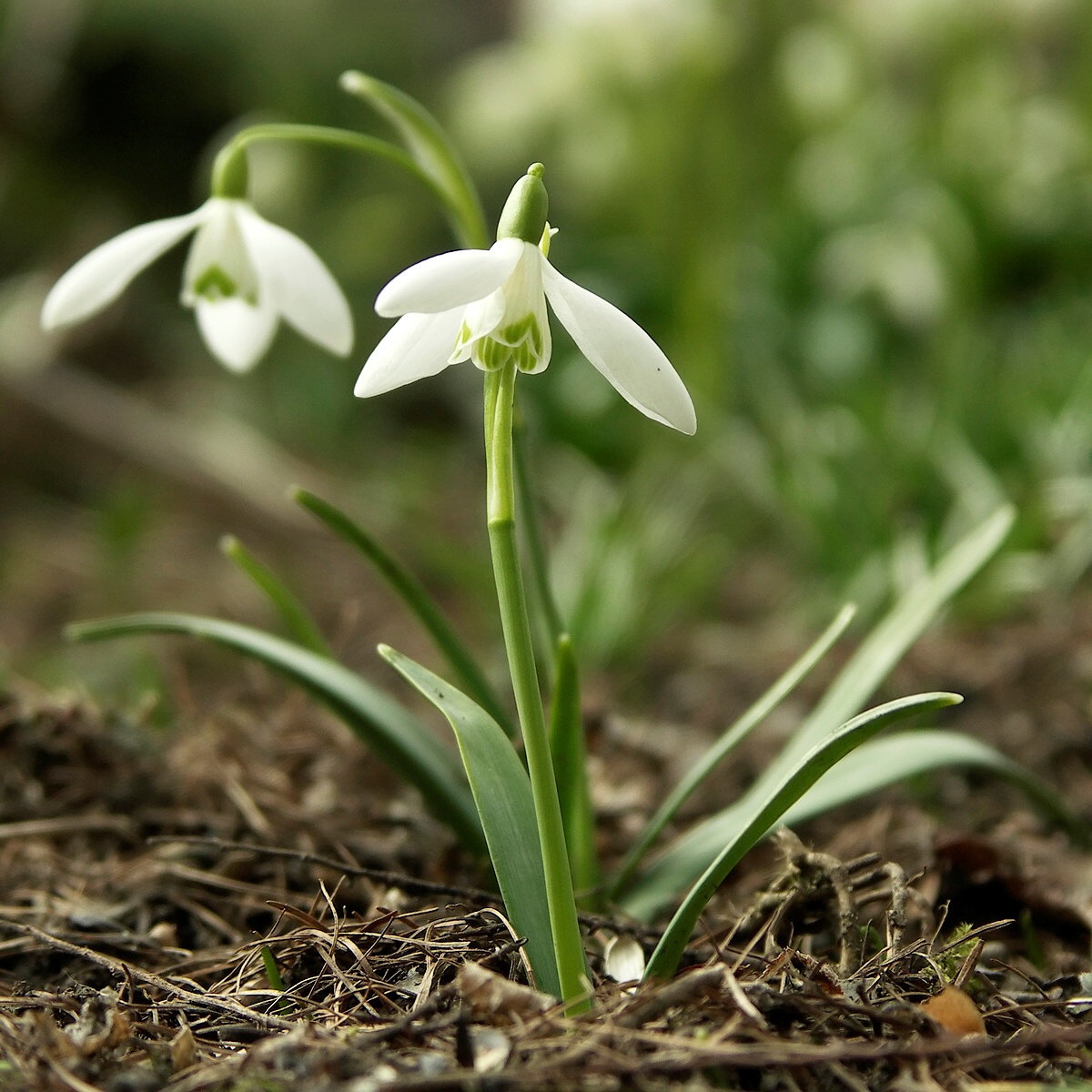
Common Snowdrop
Galanthus nivalis
☀️ Partial Shade 💧 Moderate

Common Sword Lily
Gladiolus italicus
☀️ Full Sun 💧 Moderate

Crown Imperial
Fritillaria imperialis
☀️ Full Sun 💧 Low
Dog’s-Tooth Violet
Erythronium dens-canis
☀️ Partial Shade 💧 Moderate

Formosa Lily
Lilium formosanum
☀️ Full Sun 💧 Moderate

Freesia
Freesia refracta
☀️ Full Sun 💧 Moderate
Garden Star-Of-Bethlehem
Ornithogalum umbellatum
☀️ Full Sun 💧 Moderate

Garden Tulip
Tulipa gesneriana
☀️ Full Sun 💧 Moderate

Giant Onion
Allium giganteum
☀️ Full Sun 💧 Moderate
Gladiolus
Gladiolus communis
☀️ Full Sun 💧 Moderate
Glory of the Snow
Scilla luciliae
☀️ Full Sun 💧 Moderate
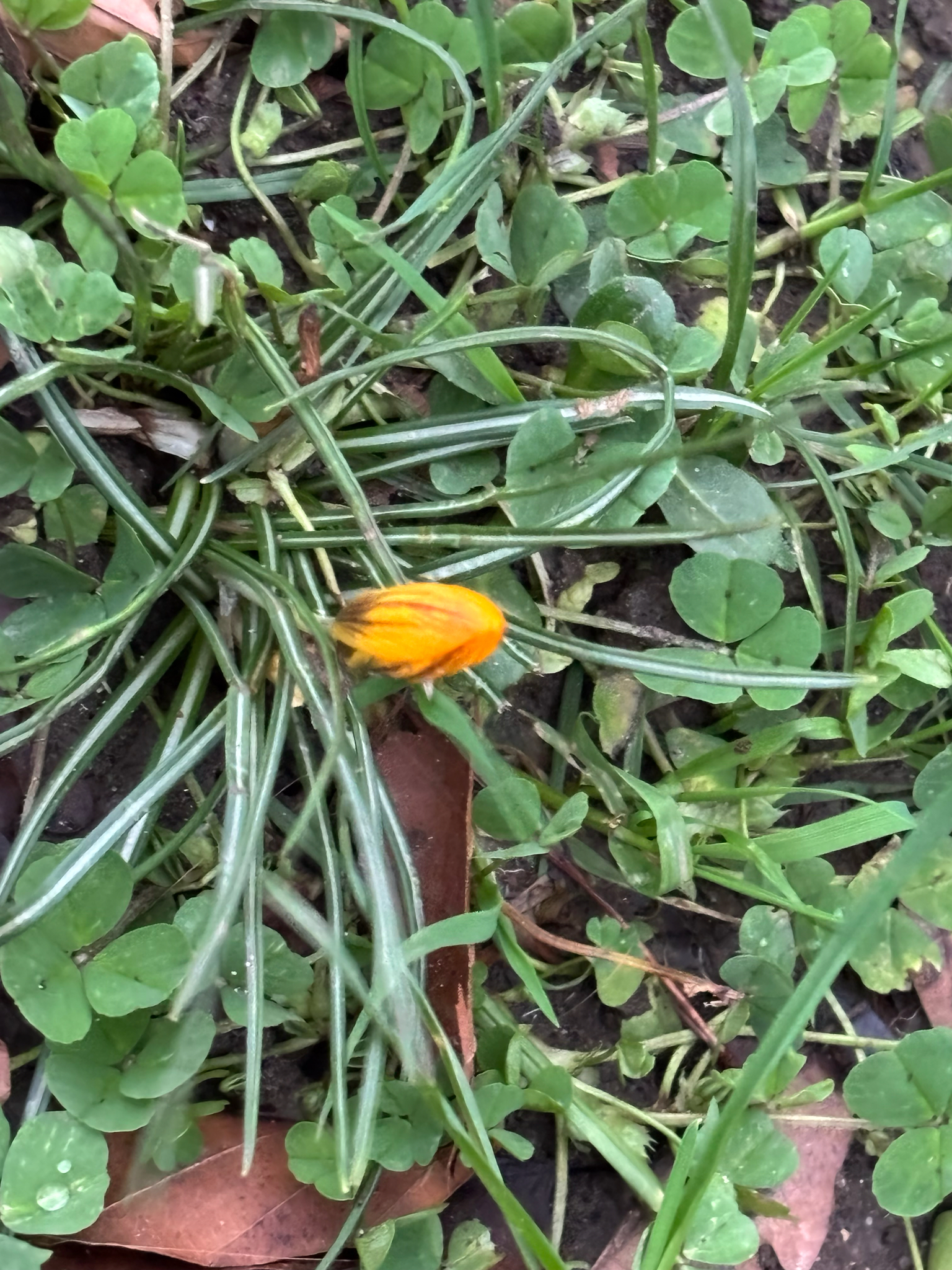
Golden Crocus
Crocus chrysanthus
☀️ Full Sun 💧 Low
Grape Hyacinth
Muscari armeniacum
☀️ Full Sun 💧 Low

Hyacinth
Hyacinthus orientalis
☀️ Full Sun 💧 Moderate
Common Questions
When should you plant flowering bulbs?
Plant spring-flowering bulbs in autumn before the ground freezes, usually when nighttime soil temperatures consistently sit below 13 °C (55 °F). Summer-flowering bulbs go into the ground in mid- to late spring once the final frost has passed and the soil warms to at least 15 °C (60 °F).
How deep do you plant bulbs?
Plant bulbs at a depth equal to two to three times their height, measuring from the basal plate to the soil surface. Exceptions exist, such as Madonna lilies and bearded irises, which require their top surfaces planted flush with or just 2.5 cm (1 in) below the surface.
Why are my bulbs producing leaves but no flowers?
Bulbs produce foliage without flowers primarily because their foliage was cut back too early the preceding year, depriving the bulb of the carbohydrates needed to form an embryonic flower bud. Overcrowding, planting in excessive shade, or excessive nitrogen fertilizer will also reduce or halt flower formation.
Are flowering bulbs toxic to pets?
Yes, true bulbs and corms contain concentrated alkaloids and glycosides that are toxic to both dogs and cats. The highest concentration of toxins resides within the underground storage organ itself, and ingestion can cause severe gastroenteritis, cardiac arrhythmias, or organ failure.