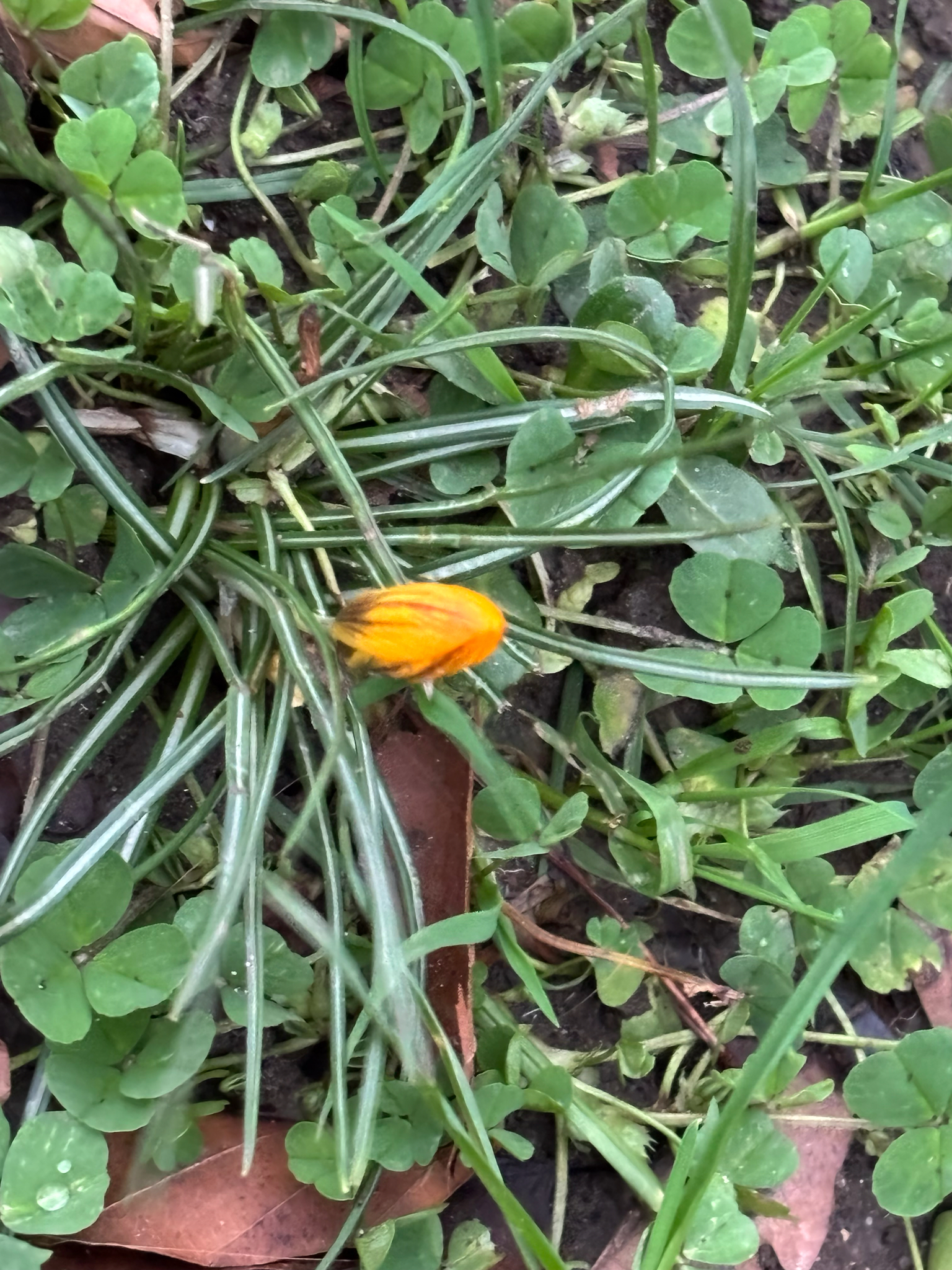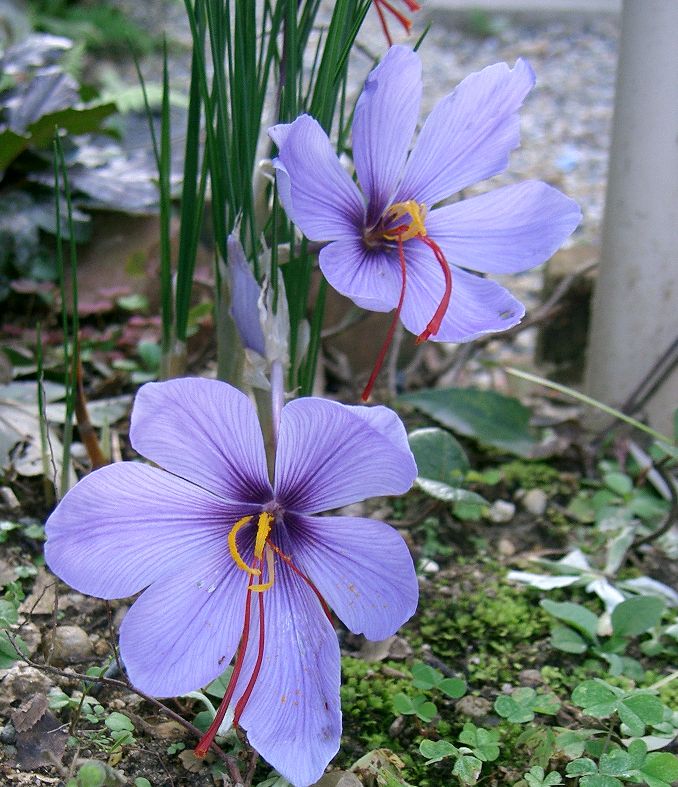
Saffron Crocus is a cormous perennial in the iris family, Crocus sativus, known for producing the world’s most expensive spice from its three crimson stigmas. It likely originated in Greece or South-West Asia but is now unknown in the wild, existing only in cultivation for over 3,500 years.
You need to plant about 150 flowers to harvest just 1 g (0.035 oz) of dried saffron. Unlike common spring-blooming crocuses, this species requires a distinct summer baking period and flowers in the autumn, typically between October and November.
Key Facts
- Planting Time: Late summer (August to September)
- Light: Full sun for at least 6-8 hours daily
- Soil: Well-drained, sandy or loamy with pH 6.0-8.0
- Hardiness: USDA zones 6-9 (hardy to -15 °C)
- Bloom: Mid to late autumn
- Harvest: Pick red stigmas on the first day of bloom
Is Saffron Crocus Right for Your Garden?
Growing Saffron Crocus is a project for patient gardeners that rewards you with the world’s most expensive spice. It thrives in regions with hot, dry summers and cool, moist winters, making it suitable for Mediterranean-style gardens. You should choose this plant if you have a sunny, well-drained spot where the corms can remain undisturbed for several years.
Because it is a sterile triploid, it will never produce seeds or become invasive in your garden. It fits well in rock gardens, raised beds, or the front of a border where its small 10-15 cm (4-6 in) height won’t be overshadowed. The autumn bloom provides a rare source of color when most other garden plants are entering dormancy.
How to Identify the Saffron Crocus Flower
Saffron Crocus produces large, lily-shaped purple flowers that reach 10-15 cm (4-6 in) in height. Each flower contains three distinct, 25-30 mm (1 in) long, crimson-red stigmas which are the source of the spice. These stigmas are significantly longer than the three yellow stamens that also sit in the center of the bloom.
The leaves are narrow and grass-like, often appearing during or shortly after the bloom, featuring a characteristic white silver stripe down the center. The plant grows from a globose corm about 3-5 cm (1-2 in) in diameter, covered in a fibrous brown tunic. Unlike many other autumn bulbs, the foliage of this species remains green throughout the winter months.
Light and Soil Requirements
You must provide full sun for at least 6-8 hours a day to ensure the corms “bake” properly during their summer dormancy. Saffron Crocus requires neutral to slightly alkaline soil with a pH between 6.0 and 8.0. Drainage is the most significant factor; corms will rot quickly in heavy clay or waterlogged ground.
If your garden has heavy soil, you should plant the corms in raised beds or containers to improve drainage. Sandy loams are ideal as they allow the daughter corms to expand without resistance. Avoid areas where water pools after rain, as the dormant corms are highly susceptible to fungal infections in damp conditions.
How to Plant Saffron Crocus Corms
Plant your Saffron Crocus corms in late summer, typically August or September, for a harvest in the same year. Place the corms 10-15 cm (4-6 in) deep and space them 10 cm (4 in) apart to allow for future clump expansion. Deep planting helps protect the corms from temperature fluctuations and prevents them from being easily dug up by animals.
- Select firm, heavy corms at least 2.5 cm (1 in) in diameter for the best first-year bloom.
- Point the growing tip (the “nose”) upwards when placing them in the hole.
- Incorporate grit or sharp sand into the planting hole if your soil is heavy.
- Water once after planting to settle the soil, then wait for growth to appear.
Watering and Feeding Schedule
Water sparingly during the growing season and stop watering entirely once the foliage dies back in late spring. The corms require a dry “baking” period during their summer dormancy to initiate flower buds for the coming autumn. Excessive moisture during July and August is the leading cause of flowering failure.
Apply a low-nitrogen, high-potassium fertilizer in early spring as the leaves develop to help the corm store energy for the next season. Avoid high-nitrogen feeds, which encourage leaf growth at the expense of flower production. In most fertile soils, a light mulch of well-rotted organic matter in late summer is sufficient to provide necessary nutrients.
Pruning and Post-Bloom Care
You should never cut the green leaves of the Saffron Crocus after the flowers have faded. The foliage remains green throughout the winter and performs photosynthesis to feed the developing daughter corms. Wait until the leaves turn completely yellow and brittle in late spring before removing them.
Removing the foliage too early will result in smaller corms and fewer flowers the following year. Once the leaves are brown, you can gently pull them away or cut them at soil level. This cleanup helps prevent pests from nesting in the dead material during the summer dormancy period.
How to Propagate Saffron Crocus
Saffron Crocus is a sterile triploid that cannot produce seeds, so you must propagate it by dividing the corm offsets. Every 3-5 years, the mother corm produces several smaller daughter corms that eventually become crowded and reduce flower production. Lifting and dividing these clumps is necessary to maintain the health of your saffron patch.
- Lift the clumps in June or July when the plant is completely dormant.
- Gently pull the small daughter corms away from the old, withered mother corm.
- Replant the largest corms immediately at the correct depth of 10-15 cm (4-6 in).
- Discard any soft, diseased, or shriveled corms to prevent the spread of rot.
Common Saffron Crocus Problems
The most common threat to Saffron Crocus is root rot caused by overwatering or poor drainage. Rodents such as voles, squirrels, and mice frequently dig up and eat the corms during the winter months when other food sources are scarce. Birds may also peck at the flowers, damaging the precious stigmas before you can harvest them.
- Install wire mesh or “bulb baskets” to protect corms from burrowing animals.
- Watch for “Saffron Rot” (Rhizoctonia crocorum), which appears as violet-colored fungal threads on the corms.
- Avoid planting in areas where other bulb crops like tulips (Tulipa) have recently suffered from fungal diseases.
- Use bird netting over the patch during the short blooming window in October.
Winter Protection and Hardiness
Saffron Crocus is hardy down to -15 °C (5 °F), provided the soil remains dry during the winter. In colder climates (USDA Zone 5 and below), apply a 5-10 cm (2-4 in) layer of dry mulch, such as straw or evergreen boughs, after the ground freezes. This prevents the soil from heaving, which can push corms to the surface.
Remove this mulch in early spring as soon as new growth appears to prevent moisture from being trapped against the emerging leaves. In very wet winter climates, a temporary rain cover or cloche can help keep the soil dry and prevent corm rot. If growing in pots, move them to a sheltered, unheated garage or porch during extreme freezes.
Harvesting Your Saffron
Expect the first flowers to appear 6-8 weeks after planting in the autumn. Each corm typically produces 1-3 flowers over a 15-20 day blooming window in October or November. You must be diligent, as the flowers only last for a few days and the stigmas lose quality quickly once exposed to the elements.
- Harvest the red stigmas on the first day the flower opens.
- Pick the flowers in the early morning before they fully expand to protect the spice from sun damage.
- Use tweezers to pluck the three red threads from the center of each bloom.
- Dry the stigmas immediately in a warm, dark place or a food dehydrator at 40 °C (105 °F) before storage.
Year-Round Saffron Crocus Care
| Spring | Apply a high-potassium fertilizer to support corm development. Do not cut green leaves; wait for them to turn yellow and die back naturally by late spring. |
|---|---|
| Summer | Keep the soil completely dry during dormancy. This is the time to lift and divide crowded clumps every 3-5 years, replanting the largest corms 10-15 cm deep. |
| Autumn | Watch for flower emergence 6-8 weeks after planting. Harvest red stigmas daily in the early morning and keep the area clear of fallen leaves that might trap moisture. |
| Winter | Ensure the soil remains well-drained. In zones colder than USDA 6, apply a dry mulch like straw after the first hard frost to protect corms from deep freezes. |
Why Is My Saffron Crocus Not Blooming? Quick Diagnosis
| What you see | Likely cause | What to do |
|---|---|---|
| No flowers in autumn | Summer was too wet or corms are too small | Ensure a dry summer baking period and only plant corms larger than 2.5 cm in diameter. |
| Yellowing leaves in winter | Waterlogged soil or root rot | Improve drainage immediately or move corms to a raised bed. |
| Corms disappearing | Rodents or squirrels | Plant corms inside wire mesh cages or use bulb baskets. |
| Stigmas are pale or short | Nutrient deficiency or heat stress | Apply a potassium-rich feed in early spring and ensure the site is not too hot during the bloom. |
Saffron Crocus Types and Relatives
- ‘Cashmirianus’ – A regional variety from Kashmir known for high-quality stigmas.
- ‘Cartwrightianus’ – The wild ancestor of Saffron Crocus, often with smaller flowers.
Best Companion Plants
Plant Saffron Crocus alongside drought-tolerant Mediterranean herbs that share its preference for dry summer soil. Good companions include English lavender (Lavandula angustifolia), rosemary (Salvia rosmarinus), and common thyme (Thymus vulgaris). These plants won’t compete for water during the crocus’s critical dry dormancy period.
Avoid planting near moisture-loving species like hostas (Hosta spp.) or astilbes (Astilbe spp.) which require regular summer irrigation. Low-growing groundcovers like stonecrop (Sedum) can provide a green backdrop for the purple flowers without interfering with the corms. Ensure companions are not so tall that they shade out the crocus during its winter growing phase.
Frequently Asked Questions
How to grow saffron crocus indoors?
You can grow them in pots at least 15 cm (6 in) deep filled with gritty compost. Place the pots on a very sunny, south-facing windowsill and ensure they stay completely dry during their summer dormancy.
Can I grow saffron crocus from seeds?
No, Saffron Crocus is a sterile triploid hybrid and does not produce seeds. You must purchase corms and propagate the plant by dividing the offsets that grow around the mother corm.
What is the difference between Saffron Crocus and Meadow Saffron?
Saffron Crocus (Crocus sativus) has 3 stamens and is edible, while Meadow Saffron (Colchicum autumnale) has 6 stamens and is highly toxic. Never ingest any part of a plant unless you have positively identified it by the stamen count.
How many saffron threads do you get per flower?
Each flower produces exactly three red stigmas (threads). You will need roughly 50-60 flowers to produce a single tablespoon of dried saffron spice.
When is the best time to plant saffron crocus bulbs?
The best time to plant is late summer, specifically August or September. This timing allows the corms to establish roots and bloom in the same autumn season.
Information about traditional or historical uses is provided for educational interest only and is not medical advice. Do not use any plant to treat a condition without speaking to a qualified professional.
Sources & Verification
Taxonomy and distribution are checked against the databases below. Care guidance is written for cultivated species only and reviewed by our editor. How We Build Plant Profiles →