Iridaceae Family Plants: Iris, Crocus, and Gladiolus Identification and Care
26 plant profiles · Learn how to identify and grow plants in the Iridaceae family, including irises, crocuses, gladioli, and freesias. Cover hardiness, soil, and toxicity.
The iris family (Iridaceae) includes over 2,200 species of perennial flowering monocots grown from underground rhizomes, corms, or bulbs. Members of this family typically produce linear, sword-shaped leaves arranged in a fan-like structure and showy flowers with floral parts in multiples of three. Southern Africa and the Mediterranean basin represent major biodiversity hotspots for the group, yielding tender bulb species alongside cold-hardy temperate irises.
Care requirements depend heavily on whether the species originates from temperate wetlands or Mediterranean and South African winter-rainfall climates. Wetland species like yellow flag (Iris pseudacorus) and Japanese iris (Iris ensata) need moist to saturated soil with a pH between 5.5 and 6.5. In contrast, bearded iris (Iris germanica) and dwarf iris (Iris pumila) demand well-drained, alkaline soil and exposed rhizomes to prevent crown rot. Tender cormous species such as freesia (Freesia refracta), turquoise ixia (Ixia viridiflora), harlequin flower (Sparaxis tricolor), and garden gladiolus (Gladiolus hortulanus) require full sunlight and frost protection when temperatures drop below 0 °C (32 °F).
All members of the Iridaceae family contain compound toxins, including pentacyclic terpenoids and irisin, which make them harmful to dogs, cats, and livestock upon ingestion. Choose low-growing spring crocus (Crocus vernus) or Siberian iris (Iris sibirica) for cold-hardy borders down to USDA zone 3, while reserving tender African genera for containers or lifting stored corms before winter frost.

African Cornflag
Chasmanthe floribunda
☀️ Full Sun 💧 Moderate

African Gladiolus
Gladiolus dalenii
☀️ Full Sun 💧 Moderate

Bearded Iris
Iris germanica
☀️ Full Sun 💧 Low
Blackberry Lily
Iris domestica
☀️ Full Sun 💧 Moderate
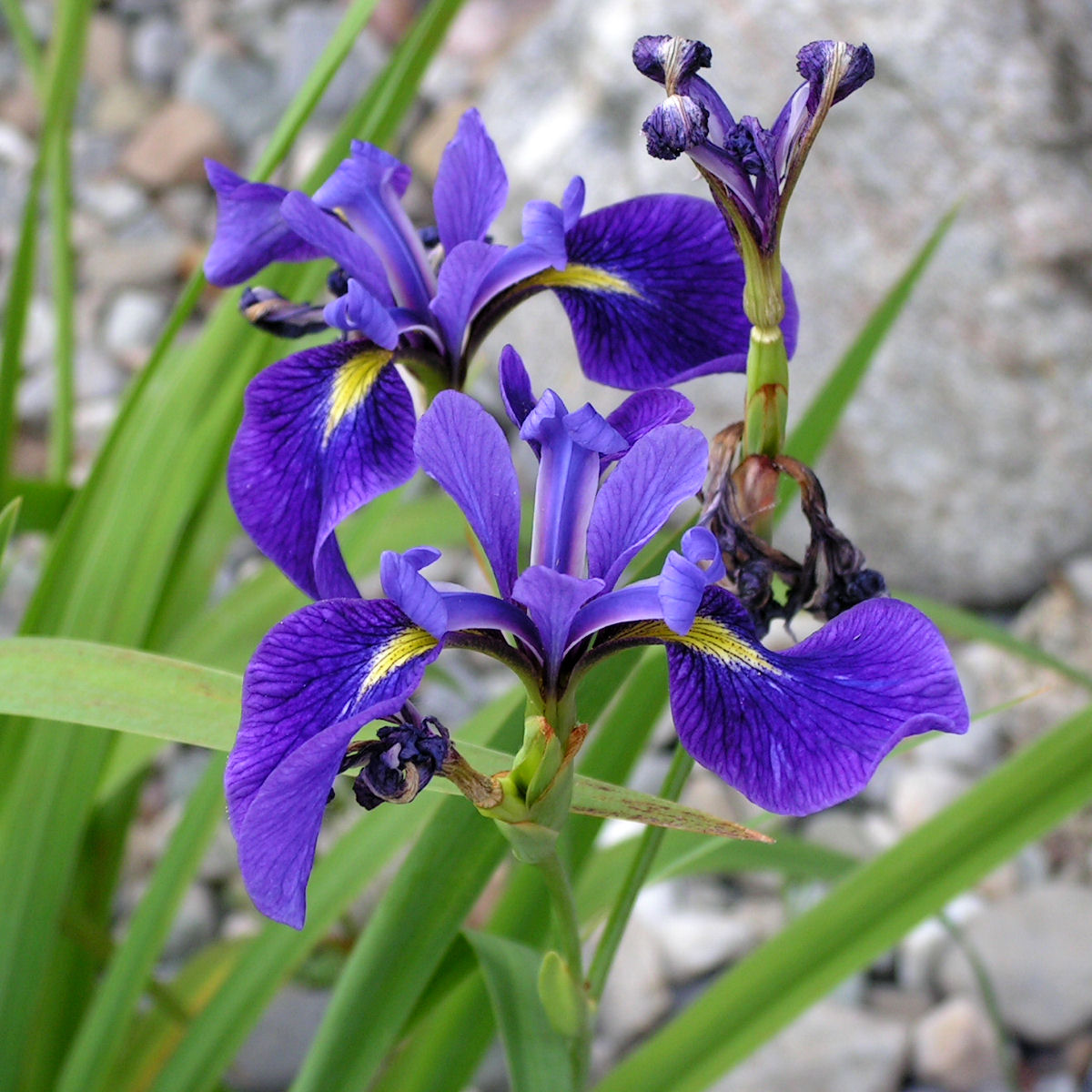
Blue Flag
Iris versicolor
☀️ Full Sun 💧 High

Common Sword Lily
Gladiolus italicus
☀️ Full Sun 💧 Moderate

Crimean Iris
Iris lutescens
☀️ Full Sun 💧 Low

Crimson Flag
Hesperantha coccinea
☀️ Full Sun 💧 High

Dalmatian Iris
Iris pallida
☀️ Full Sun 💧 Low

Douglas Iris
Iris douglasiana
☀️ Partial Sun 💧 Low

Dwarf Iris
Iris pumila
☀️ Full Sun 💧 Low

False Freesia
Freesia laxa
☀️ Full Sun 💧 Moderate

Freesia
Freesia refracta
☀️ Full Sun 💧 Moderate

Garden Gladiolus
Gladiolus hortulanus
☀️ Full Sun 💧 Moderate
Gladiolus
Gladiolus communis
☀️ Full Sun 💧 Moderate
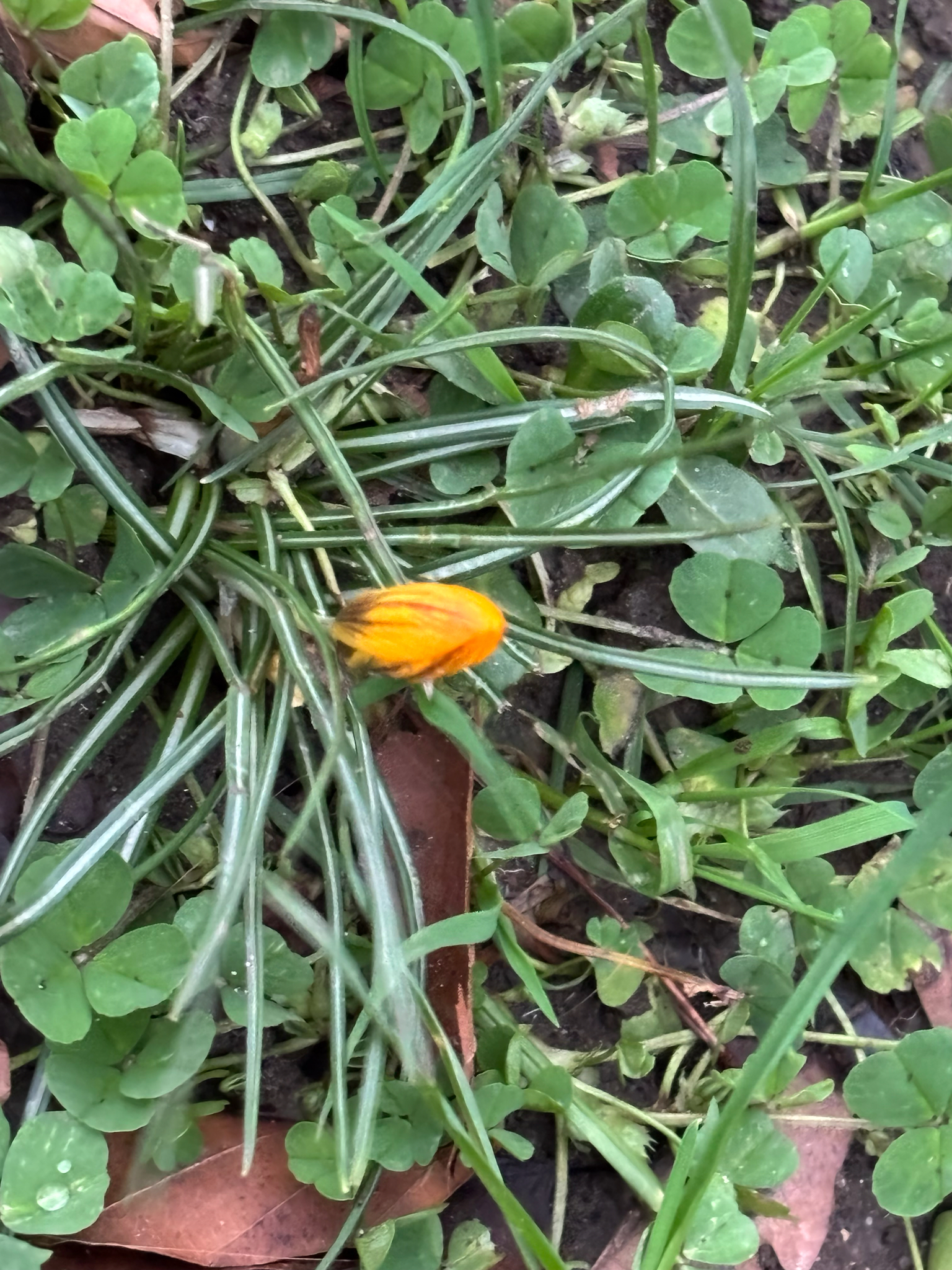
Golden Crocus
Crocus chrysanthus
☀️ Full Sun 💧 Low

Harlequin Flower
Sparaxis tricolor
☀️ Full Sun 💧 Low

Japanese Iris
Iris ensata
☀️ Full Sun 💧 High

Leafless Iris
Iris aphylla
☀️ Full Sun 💧 Low
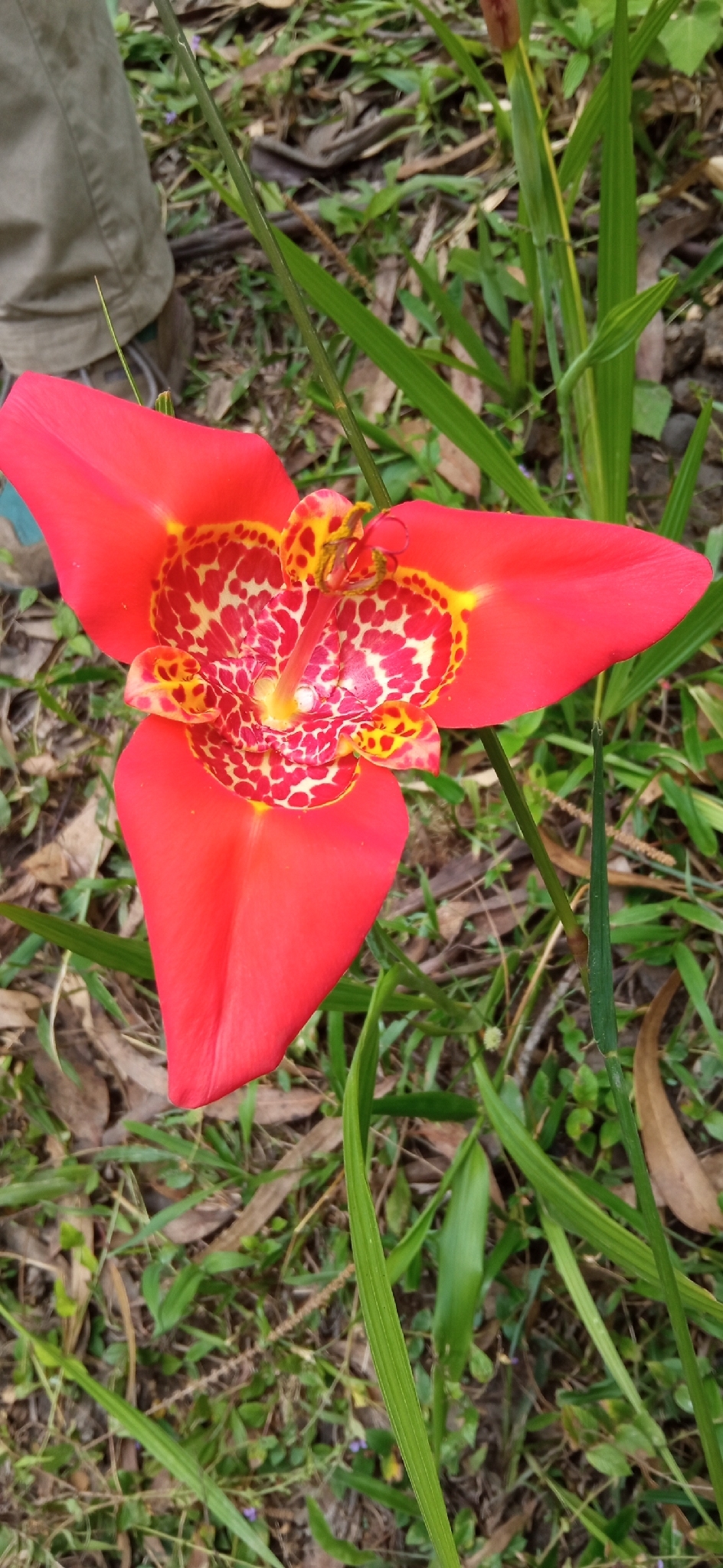
Mexican Shellflower
Tigridia pavonia
☀️ Full Sun 💧 Moderate
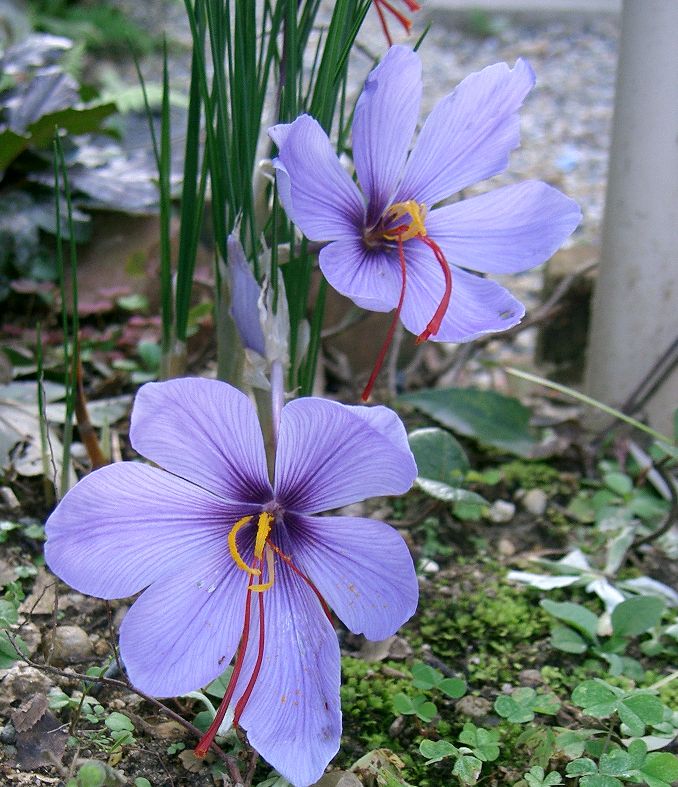
Saffron Crocus
Crocus sativus
☀️ Full Sun 💧 Low

Siberian Iris
Iris sibirica
☀️ Full Sun 💧 High

Spring Crocus
Crocus vernus
☀️ Full Sun 💧 Moderate

Turquoise Ixia
Ixia viridiflora
☀️ Full Sun 💧 Low
Common Questions
Are plants in the Iridaceae family toxic to pets?
Yes, all plants in the Iridaceae family are toxic to cats, dogs, and horses. Rhizomes and corms hold the highest concentration of compounds like irisin, which trigger vomiting, drooling, and severe gastrointestinal distress when chewed.
How do you identify plants in the Iridaceae family?
You can identify Iridaceae plants by their three stamens, inferior ovary, and flattened, sword-like leaves arranged in folded fan shapes. Their flowers feature parts in multiples of three, including three outer sepals (often called falls) and three inner petals (standards).
Do Iridaceae plants grow from bulbs or rhizomes?
Members of the Iridaceae family grow from rhizomes, corms, or true bulbs depending on their genus. True irises typically spread via fleshy creeping rhizomes, whereas genera like Crocus, Gladiolus, Freesia, and Sparaxis grow from dry, papery corms.
What USDA zones are suitable for Iridaceae family plants?
Hardiness ranges from USDA zones 3 to 11 across the Iridaceae family. Siberian iris and spring crocus tolerate winter temperatures down to -35 °C (-30 °F), while South African genera like Ixia and Freesia require winter protection below -2 °C (28 °F).