Plants Native to Papua New Guinea
20 plant profiles · Explore 15 plant species native to Papua New Guinea, from tropical landscape trees to indoor shade species. Learn about light, soil, and climate needs.
Papua New Guinea hosts an extraordinary diversity of tropical flora, ranging from coastal lowlands to high-altitude cloud forests. Plants originating from this equatorial island generally thrive in warm temperatures above 18 °C (65 °F), relative humidity levels exceeding 60%, and organic soils that retain moisture without becoming waterlogged.
When selecting species from this native region, match your indoor or outdoor growing conditions to their original forest layer and light levels. Understory flowering plants like New Guinea impatiens (Impatiens hawkeri), chenille plant (Acalypha hispida), and torch ginger (Etlingera elatior) prefer filtered sunlight and consistent soil moisture. In contrast, fast-growing trees and palms such as ylang-ylang (Cananga odorata), broad-leaved paperbark (Melaleuca quinquenervia), coconut palm (Cocos nucifera), and agati (Sesbania grandiflora) require full sun exposure and substantial root volume.
Indoor growers should focus on shade-tolerant perennials that fit standard room sizes, while outdoor gardeners in USDA hardiness zones 10 through 12 can cultivate the larger woody species. Always check the space requirements and winter temperature limits before planting, as equatorial species suffer physiological damage when temperatures drop below 10 °C (50 °F).

Agati
Sesbania grandiflora
☀️ Full Sun 💧 High

Australian Frangipani
Hymenosporum flavum
☀️ Full Sun 💧 Moderate

Binjai
Mangifera caesia
☀️ Full Sun 💧 High

Black Wattle
Acacia mangium
☀️ Full Sun 💧 Moderate

Broad-Leaved Paperbark
Melaleuca quinquenervia
☀️ Full Sun 💧 High

Chenille Plant
Acalypha hispida
☀️ Bright Indirect 💧 High
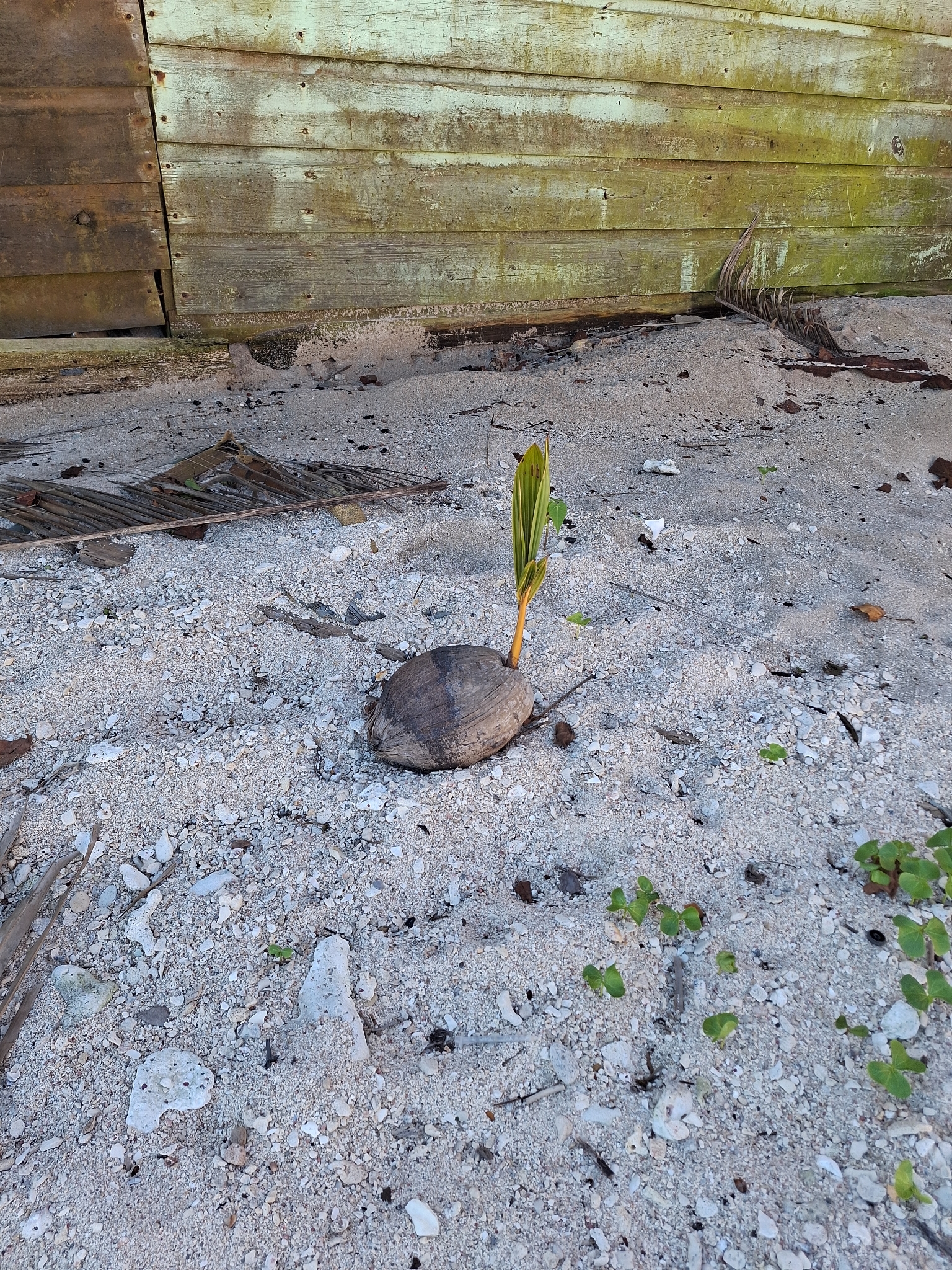
Coconut Palm
Cocos nucifera
☀️ Full Sun 💧 High

Crepe Ginger
Hellenia speciosa
☀️ Partial Shade 💧 High

Earleaf Acacia
Acacia auriculiformis
☀️ Full Sun 💧 Low

Guest Tree
Kleinhovia hospita
☀️ Full Sun 💧 Moderate

Macarthur Palm
Ptychosperma macarthurii
☀️ Partial Sun 💧 Moderate

Melinjo
Gnetum gnemon
☀️ Full Sun 💧 High

New Guinea Impatiens
Impatiens hawkeri
☀️ Bright Indirect 💧 High
Rainbow Eucalyptus
Eucalyptus deglupta
☀️ Full Sun 💧 High

Samoan Waxplant
Hoya australis
☀️ Bright Indirect 💧 Low

Sweet Sandpaper Fig
Ficus opposita
Torch Ginger
Etlingera elatior
☀️ Full Sun 💧 High

Winged Bean
Psophocarpus tetragonolobus
☀️ Full Sun 💧 Moderate

Yellow Mahogany
Epicharis parasitica
☀️ Full Sun 💧 High

Ylang-Ylang
Cananga odorata
☀️ Full Sun 💧 High
Common Questions
What growing conditions do plants native to Papua New Guinea need?
Plants native to Papua New Guinea require warm temperatures between 18–30 °C (65–86 °F), relative humidity above 60%, and loose, well-draining soil.
Which Papua New Guinea plants can be grown as houseplants?
New Guinea impatiens and chenille plant adapt well to indoor containers when given bright indirect light and high humidity.
Are plants from Papua New Guinea frost tolerant?
No plants native to Papua New Guinea tolerate freezing conditions below 0 °C (32 °F), and most suffer cold injury below 10 °C (50 °F).