Plants Native to Southern China
17 plant profiles · Explore plants native to Southern China, from shade-tolerant understory herbs to massive canopy trees. Learn their growth habits and outdoor care requirements.
Southern China encompasses subtropical monsoon forests, warm coastal basins, and humid mountain valleys. Plants originating from this region generally thrive in warm temperatures above 15 °C (59 °F), rich alluvial soil, and seasonal rain patterns marked by wet summers and dry, mild winters. Their adaptations range from thick trunks capable of storing moisture to broad rhizomes that remain dormant during cold dry spells.
Choosing the right species depends on available space and winter temperatures. Large landscape trees like the red silk-cotton tree (Bombax ceiba), which reaches heights up to 30 m (100 ft), and the wild mango (Spondias pinnata) require full sun and extensive root clearance. For smaller urban gardens or frost-free outdoor courtyards, the sterile Hong Kong orchid tree (Bauhinia blakeana) offers fragrant purple flowers across winter, while the cluster-forming fishtail palm (Caryota mitis) provides dense tropical foliage in bright, indirect light.
Understory and agricultural plants from Southern China often fit container growing or warm greenhouse cultivation. Edible species such as longan (Dimocarpus longan) produce sweet fruit in humid climates, while aromatic ginger (Kaempferia galanga) and crown flower (Calotropis gigantea) require well-draining soil mixes and protection whenever temperatures drop below 10 °C (50 °F). Matching each plant to your minimum winter temperature ensures long-term vigor.

Aromatic Ginger
Kaempferia galanga
☀️ Partial Shade 💧 High

Binunga
Macaranga tanarius
☀️ Full Sun 💧 High

Black Bat Flower
Tacca chantrieri
☀️ Bright Indirect 💧 High

Common Bamboo
Bambusa vulgaris
☀️ Full Sun 💧 Moderate

Crown Flower
Calotropis gigantea
☀️ Full Sun 💧 Low

Easter Lily Vine
Beaumontia grandiflora
☀️ Full Sun 💧 Moderate

Fishtail Palm
Caryota mitis
☀️ Bright Indirect 💧 High
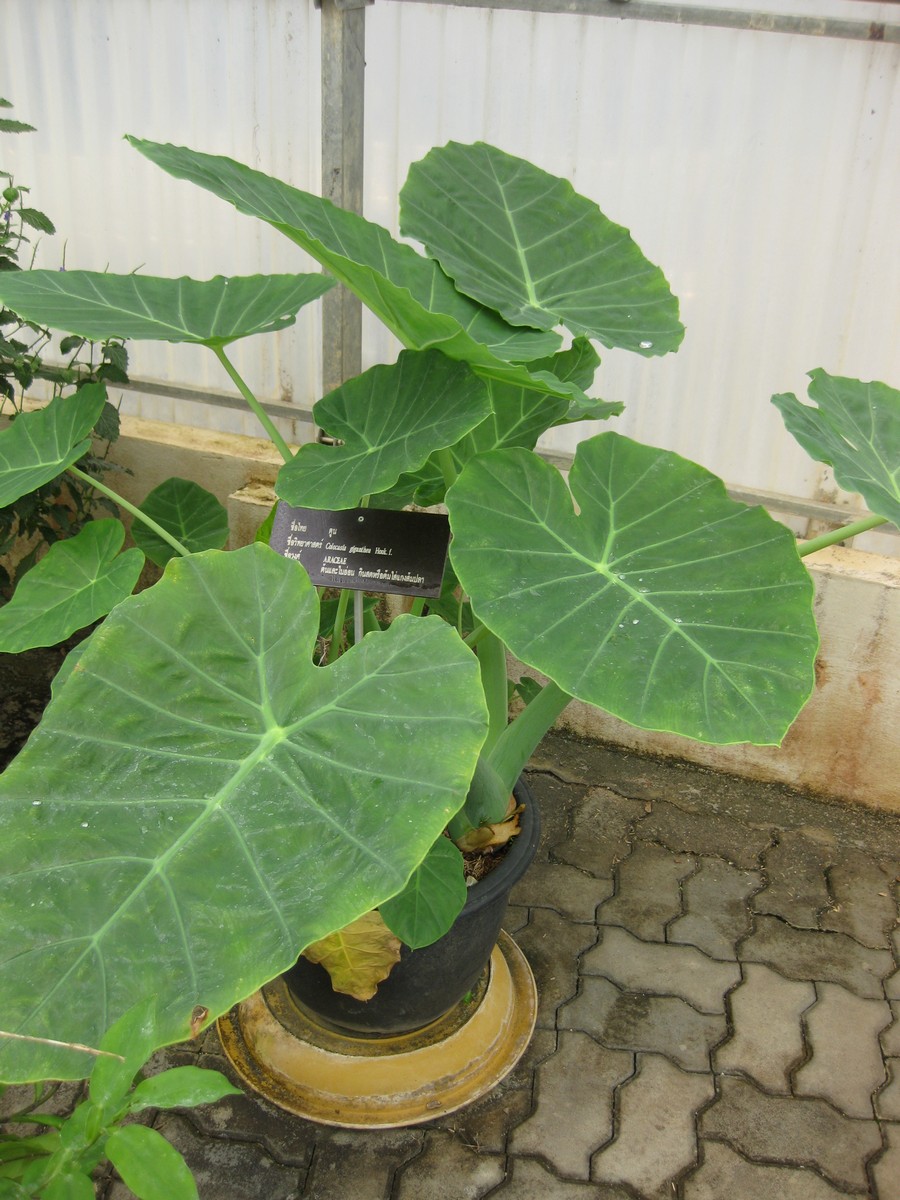
Giant Elephant Ear
Leucocasia gigantea
☀️ Full Sun 💧 High

Hong Kong Orchid Tree
Bauhinia blakeana
☀️ Full Sun 💧 Moderate

Job’s Tears
Coix lacryma-jobi
☀️ Full Sun 💧 High

Katuk
Breynia androgyna
☀️ Partial Sun 💧 High
Kohila
Lasia spinosa
☀️ Partial Sun 💧 Aquatic
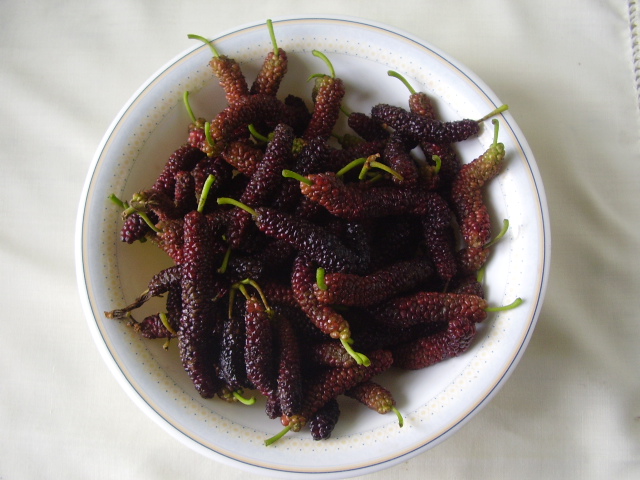
Long Mulberry
Morus macroura
☀️ Full Sun 💧 Moderate

Longan
Dimocarpus longan
☀️ Full Sun 💧 Moderate

Red Silk-Cotton Tree
Bombax ceiba
☀️ Full Sun 💧 Moderate

Sambong
Blumea balsamifera
☀️ Full Sun 💧 Moderate

Wild Mango
Spondias pinnata
☀️ Full Sun 💧 Moderate
Common Questions
What climate do plants native to Southern China require?
Most plants native to Southern China require warm subtropical conditions with summer temperatures between 22-32 °C (72-90 °F) and high atmospheric humidity. They typically tolerate short periods of cool weather in winter but suffer freeze damage when exposed to temperatures below 0 °C (32 °F).
Can plants from Southern China be grown indoors?
Smaller understory species such as aromatic ginger and fishtail palm thrive indoors when provided with bright indirect sunlight and ambient humidity above 50%. Large canopy trees like the red silk-cotton tree grow too rapidly for standard indoor spaces and require outdoor planting in USDA zones 10 through 11.
How often should you water plants from Southern China?
Water Southern China species deeply whenever the top 2.5 to 5 cm (1 to 2 in) of soil dries out during their active summer growing season. Reduce watering frequency in late autumn and winter to prevent root rot while the plants enter semi-dormancy.
Are Southern China plants frost hardy?
Most Southern China plants are not frost hardy and sustain foliage or stem damage when temperatures fall below 2 °C (36 °F). Gardeners in temperate climates must overwinter tropical understory species inside a temperature-controlled greenhouse or warm home interior.