Plants Native to Thailand
21 plant profiles · Explore plants native to Thailand, from indoor epiphytes and aquatic ferns to tropical fruit trees and aromatic culinary herbs.
Thailand's geography spans tropical monsoon climate zones, high-elevation northern pine forests, and coastal ecosystems. Plants originating in this diverse region have adapted to distinct environmental conditions, typically marked by heavy summer monsoons and dry winter periods. Lowland species require minimum year-round temperatures above 18 °C (64 °F), while highland plants tolerate temporary drops to 10 °C (50 °F).
Indoor houseplant collections often feature epiphytes native to Thai forests, such as the sweetheart Hoya (Hoya kerrii) with its thick succulent leaves and the trailing lipstick plant (Aeschynanthus radicans), which blooms tubular red flowers. Aquarists frequently use Java Fern (Leptochilus pteropus) because its rhizomes attach to submersed driftwood without soil. When selecting plants from this region for home growing, lighting and drainage match their original canopy layer or ground habitat.
For culinary and outdoor gardens in warm climates, regional choices range from aromatic herbs like pandan (Pandanus amaryllifolius) and East Indian lemongrass (Cymbopogon flexuosus) to fruit trees like rambutan (Nephelium lappaceum). Canopy trees like Siamese cassia (Senna siamea) grow up to 18 m (60 ft) tall, requiring full sun exposure and well-draining soil in USDA zones 10 through 11.

Benguet Pine
Pinus kesiya
☀️ Full Sun 💧 Moderate

Blue Trumpet Vine
Thunbergia laurifolia
☀️ Full Sun 💧 Moderate
Chempedak
Artocarpus integer
☀️ Full Sun 💧 High

Chinese Lobelia
Lobelia chinensis
☀️ Partial Sun 💧 High
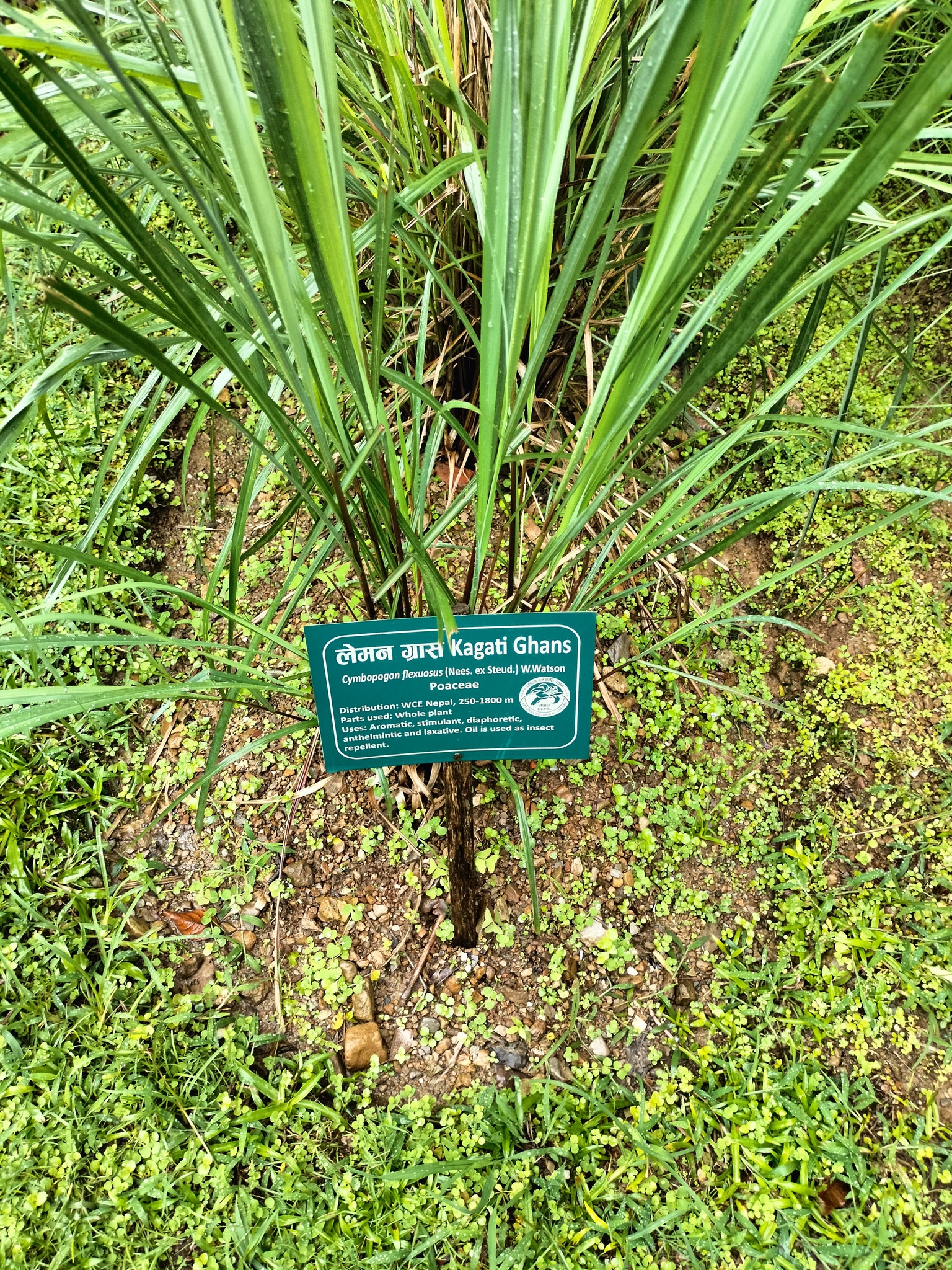
East Indian Lemongrass
Cymbopogon flexuosus
☀️ Full Sun 💧 High
Giant Bamboo
Dendrocalamus giganteus
☀️ Full Sun 💧 High

Indian Azalea
Rhododendron simsii
☀️ Partial Shade 💧 Moderate

Java Fern
Leptochilus pteropus
☀️ Low Light 💧 Aquatic
Kanak Champa
Pterospermum acerifolium
☀️ Full Sun 💧 Moderate

Langsat
Lansium domesticum
☀️ Partial Sun 💧 High

Lipstick Plant
Aeschynanthus radicans
☀️ Bright Indirect 💧 Moderate

Night-Flowering Jasmine
Nyctanthes arbor-tristis
☀️ Full Sun 💧 Moderate

Pandan
Pandanus amaryllifolius
☀️ Partial Sun 💧 High

Rambai
Baccaurea motleyana
☀️ Full Sun 💧 High

Rambutan
Nephelium lappaceum
☀️ Full Sun 💧 High

Siamese Cassia
Senna siamea
☀️ Full Sun 💧 Moderate
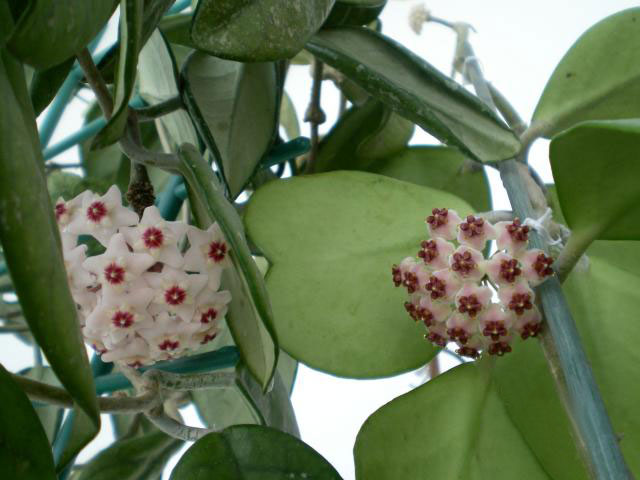
Sweetheart Hoya
Hoya kerrii
☀️ Bright Indirect 💧 Low

Teak
Tectona grandis
☀️ Full Sun 💧 Moderate

Tree Bean
Parkia timoriana
☀️ Full Sun 💧 Moderate

Vietnamese Coriander
Persicaria odorata
☀️ Partial Sun 💧 High

Wampee
Clausena lansium
☀️ Full Sun 💧 Moderate
Common Questions
Can plants native to Thailand survive freezing temperatures?
Most plants native to Thailand cannot tolerate freezing temperatures, as they originate in tropical or sub-tropical climates with minimum limits between 10–18 °C (50–64 °F). Outdoor specimens must be brought indoors or grown in heated greenhouses when outdoor temperatures drop below 10 °C (50 °F).
What light conditions do Thai indoor plants require?
Most indoor houseplants native to Thailand require bright, indirect light ranging from 1,000 to 2,500 foot-candles to mimic tropical forest canopies. Direct afternoon sunlight scorches foliage on epiphytic species like hoyas and lipstick plants, while aquatic species like Java Fern grow in low to medium light.
How often should you water plants from Thailand?
Water plants native to Thailand when the top 2.5–5 cm (1–2 in) of potting substrate feels dry to the touch during active growth in spring and summer. Reduce watering frequency in autumn and winter when growth slows, avoiding standing water to prevent root rot.
Are plants native to Thailand safe for pets?
Toxicity varies significantly among Thai native species, so check each specific plant before introducing it to pet-accessible areas. Java Fern is non-toxic to aquatic life and pets, whereas plants producing milky latex sap cause gastrointestinal irritation if ingested.