
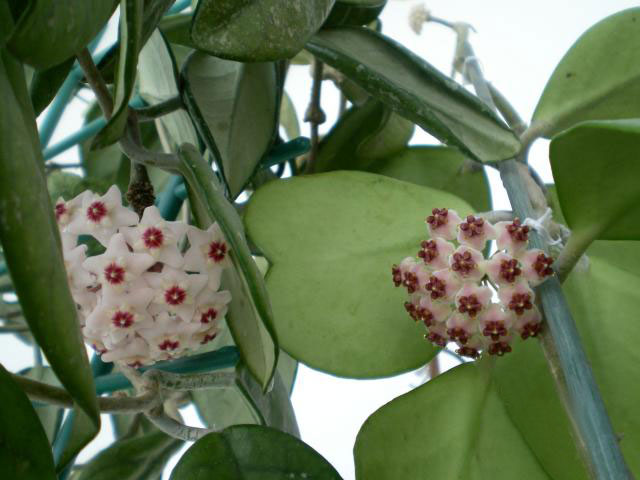
Sweetheart hoya (Hoya kerrii) is a slow-growing tropical vine native to Southeast Asia, famous for its thick, succulent, heart-shaped leaves. It is frequently sold as a single rooted leaf in a pot, though plants bought this way rarely grow unless the petiole includes a node.
You will need to provide bright light and let the potting mix dry out completely between waterings to keep this tropical succulent thriving indoors. Avoid overwatering at all costs, as root rot is the primary cause of plant failure.
Key Facts
- Light: Bright indirect sun for 6 hours daily
- Water: Allow soil to dry completely
- Soil: Fast-draining cactus or succulent mix
- Temperature: 18-24 °C (65-75 °F)
- Toxicity: Non-toxic to cats and dogs
Living with Sweetheart Hoya
Sweetheart hoya suits growers who prefer low-maintenance indoor plants that tolerate neglect and infrequent watering. This plant works best on a sunny windowsill where it receives several hours of bright, indirect light every day. Because it grows slowly, a single 10 cm (4 inch) pot will easily occupy the same shelf space for several years without overwhelming your room.
- Ideal for beginners who tend to forget watering schedules
- Requires patience, as single leaf cuttings rarely develop into vining plants
- Fits well in small apartments and compact indoor desktop gardens
Botanical Look and Identification
Sweetheart hoya features thick, succulent leaves measuring 5-10 cm (2-4 in) across, shaped like inverted hearts with a distinct notch at the tip. The stems are woody at maturity and climb using aerial roots if given a support structure like a moss pole or trellis. In mature trailing specimens, umbels of small, star-shaped flowers appear, producing nectar droplets that can feel sticky to the touch.
- Leaves have a leathery, rubbery texture that stores moisture
- Stems can reach lengths of up to 3 m (10 ft) in optimal conditions
- Flowers feature a secondary star-shaped corona in shades of pink, white, and dark red
How Much Light Does Sweetheart Hoya Need
Your sweetheart hoya needs at least 6 hours of bright, indirect sunlight daily to maintain its colour and encourage active stem growth. South-facing or west-facing windows work exceptionally well if filtered through a sheer curtain to prevent leaf scorch. Low light conditions cause the vine to stretch out, produce smaller leaves, and stop growing entirely.
- Place within 1 m (3 ft) of a bright window for best results
- Avoid dark corners or windowless rooms lacking artificial grow lights
- Variegated cultivars require slightly brighter light to maintain their cream-colored markings
How Often to Water Sweetheart Hoya
Water your sweetheart hoya only when the potting mix is dry all the way to the bottom of the pot, typically every 2 to 3 weeks indoors. During the winter dormancy period, reduce watering to once a month to prevent chilling injury to the roots. Always empty the saucer beneath the pot so the plant never sits in standing water.
- Check soil dryness by inserting a wooden skewer deep into the container
- Use room-temperature tap water that has sat out for 24 hours
- Never keep the soil constantly damp, as root systems rot quickly in stagnant moisture
Best Soil and Potting Mix
Plant your sweetheart hoya in an extremely porous, fast-draining medium designed specifically for succulents and cacti. A standard indoor potting soil retains too much moisture and will cause root decay within weeks. Mix regular potting soil with equal parts perlite, orchid bark, and coarse sand to create the ideal root environment.
- Ensure your container features at least one wide drainage hole at the base
- Terra cotta pots help excess moisture evaporate faster from the root ball
- Repotting is only necessary every 3 to 4 years, as the plant prefers being root-bound
Indoor Humidity and Temperature
Keep your sweetheart hoya in normal household temperatures between 18-24 °C (65-75 °F) throughout the spring and summer growing seasons. Average indoor humidity levels between 40% and 50% are entirely sufficient for this resilient tropical vine. Protect the foliage from cold drafts near air conditioning vents or winter windows where temperatures drop below 10 °C (50 °F).
- Never expose the plant to freezing temperatures or frost
- Misting is unnecessary and can encourage fungal leaf spots
- A winter rest period in slightly cooler rooms around 15 °C (60 °F) helps trigger spring blooming
Fertilizing Your Sweetheart Hoya
Feed your sweetheart hoya once a month during spring and summer using a balanced liquid houseplant fertilizer diluted to half strength. Stop fertilizing completely from October through February when the plant enters its natural winter rest phase. Excess fertilizer salts build up rapidly in succulent potting mixes and will burn the delicate root tips.
- Apply fertilizer only to damp soil to prevent root shock
- Use a formula slightly higher in phosphorus if you want to encourage summer flowers
- Rinse the soil with plain water twice a year to flush out accumulated salts
Propagation Methods
Propagate sweetheart hoya by taking stem cuttings that include at least one active growth node, as single leaf cuttings almost never grow into multi-leaf vines. Cut a 15 cm (6 in) section of stem, remove the lower leaves, and place the cutting in a glass of clean water or moist perlite. Roots typically emerge within 4 to 6 weeks in bright, warm conditions.
- Dip the cut stem in rooting hormone powder to speed up root development
- Plant rooted cuttings in standard succulent mix once roots reach 2.5 cm (1 in) long
- Discard single-leaf retail novelties once they die, as they lack the stem tissue required for new shoots
Common Problems and Troubleshooting
Most sweetheart hoya problems stem from overwatering or insufficient light exposure, which leads to leaf drop and root decay. Inspect your plant weekly for common indoor pests like mealybugs that hide in leaf joints and stem creases. Prompt action saves the plant from severe decline.
- Treat mealybugs by dabbing pests with a cotton swab soaked in 70% isopropyl alcohol
- Soft, yellowing leaves indicate root rot caused by overly wet soil
- Wrinkled leaves mean the plant is severely dehydrated and needs a thorough soaking
Is Sweetheart Hoya Toxic to Cats and Dogs
Sweetheart hoya is completely non-toxic to cats, dogs, and humans according to the ASPCA database. You can safely place this trailing houseplant in homes with curious pets without worrying about poisoning or severe digestive distress. However, ingestion of large amounts of plant material can still cause mild stomach upset.
- Safe alternative to popular toxic houseplants like dieffenbachia or pothos (Epipremnum aureum)
- Keep out of reach of pets if you wish to prevent chewed leaves and broken stems
- Sap is clear and non-irritating to human skin
When and How It Blooms
Sweetheart hoya blooms in mid to late summer once the plant has reached maturity, usually after 3 to 5 years of proper care. The flowers form on permanent spurs called peduncles that reappear year after year. Never cut off these woody spurs after flowering finishes, because new clusters of flowers will grow from the exact same spots.
- Flowers secrete a sweet, clear nectar that can drip onto furniture below
- Blooms last for about 2 weeks before dropping cleanly off the stem
- Older plants grown in bright windows are much more likely to flower indoors
Sweetheart Hoya Through the Seasons
| Spring | Resume regular watering as the days lengthen and new stem tips begin to emerge. Apply half-strength liquid fertilizer once a month to support active growth. |
|---|---|
| Summer | Ensure your plant receives bright indirect light to encourage summer flowering. Water thoroughly whenever the potting mix dries out completely. |
| Autumn | Reduce watering frequency as indoor temperatures drop and daylight hours decrease. Stop fertilizing entirely to let the plant prepare for winter dormancy. |
| Winter | Water sparingly, allowing the soil to stay dry for weeks at a time. Keep the plant away from chilly window glass and cold drafts. |
Why Is My Sweetheart Hoya Dying? Quick Diagnosis
| What you see | Likely cause | What to do |
|---|---|---|
| Yellow lower leaves | Overwatering or compacted soil | Allow the soil to dry completely between waterings and improve drainage. |
| Wrinkled, shrivelled leaves | Underwatering or severe dehydration | Submerge the pot in water for 15 minutes to rehydrate the root ball. |
| White cottony fuzz in leaf axils | Mealybug infestation | Wipe the pests away with an alcohol-soaked cotton swab. |
| No new growth for months | Insufficient light or single-leaf cutting | Move the plant to a brighter window and check if your plant has an intact stem node. |
Popular Sweetheart Hoya Cultivars Compared
- ‘Variegata’ – features creamy white margins along the heart-shaped leaves
- ‘Albomarginata’ – white variegation restricted strictly to the outer edge
- ‘Splash’ – green leaves heavily speckled with silvery-white flecks
Frequently Asked Questions
How often to water sweetheart hoya?
Water your sweetheart hoya every 2 to 3 weeks, only after the potting mix has dried out completely. Reduce watering to once a month during the winter.
Is sweetheart hoya a succulent?
Yes, sweetheart hoya is classified as a tropical succulent vine because it stores water in its thick, fleshy leaves and stems.
Why is my sweetheart hoya turning yellow?
Yellow leaves on a sweetheart hoya are usually caused by overwatering or poor soil drainage that leads to root rot. Let the soil dry out fully before watering again.
How to propagate sweetheart hoya?
Propagate sweetheart hoya using stem cuttings that include a node; single leaf cuttings purchased in pots rarely grow into full vining plants.
Is sweetheart hoya toxic to cats?
No, sweetheart hoya is non-toxic to cats, dogs, and humans, making it a safe choice for pet owners.
Sources & Verification
Taxonomy and distribution are checked against the databases below. Care guidance is written for cultivated species only and reviewed by our editor. How We Build Plant Profiles →


