Guide to Succulent Types and Identification
62 plant profiles · Learn how to identify and care for succulents. Compare light needs, watering rules, and cold hardiness across 33 desert and epiphytic species.
Succulents store water in thickened leaves, swollen stems, or enlarged root caudices, allowing them to survive prolonged periods of drought. This group spans dozens of plant families, including Crassulaceae, Asphodelaceae, and Apocynaceae, with origins ranging from arid Mexican plateaus to dry southern African scrub. While their native habitats differ, almost all succulents require fast-draining, mineral-based soil and suffer rapid root rot if left in saturated potting mix.
Choosing the right species comes down to your indoor light levels and outdoor minimum winter temperatures. If you need frost-hardy outdoor ground cover, biting stonecrop (Sedum acre) and white stonecrop (Sedum album) tolerate winter drops down to -30 °C (-22 °F). For sunny, dry borders in frost-free regions, structural architectural choices include foxtail agave (Agave attenuata) and mountain aloe (Aloe marlothii), both of which build substantial crowns over several seasons.
For indoor growing on a bright windowsill, Mexican snowball (Echeveria elegans) and sweetheart hoya (Hoya kerrii) stay compact and demand hours of direct morning sun. In lower light conditions where typical desert species stretch and pale, shade-tolerant zebra haworthia (Haworthiopsis attenuata) thrives. Epiphytes like the Christmas cactus (Schlumbergera russeliana) require partial shade and slightly higher humidity than desert-dwellers like the golden barrel cactus (Kroenleinia grusonii).
African Milk Tree
Euphorbia trigona
☀️ Full Sun 💧 Low

Baby Sun Rose
Mesembryanthemum cordifolium
☀️ Full Sun 💧 Low

Balsam Spurge
Euphorbia balsamifera
☀️ Full Sun 💧 Low

Banana Yucca
Yucca baccata
☀️ Full Sun 💧 Low

Baseball Cactus
Euphorbia obesa
☀️ Full Sun 💧 Low
Blue Agave
Agave tequilana
☀️ Full Sun 💧 Low
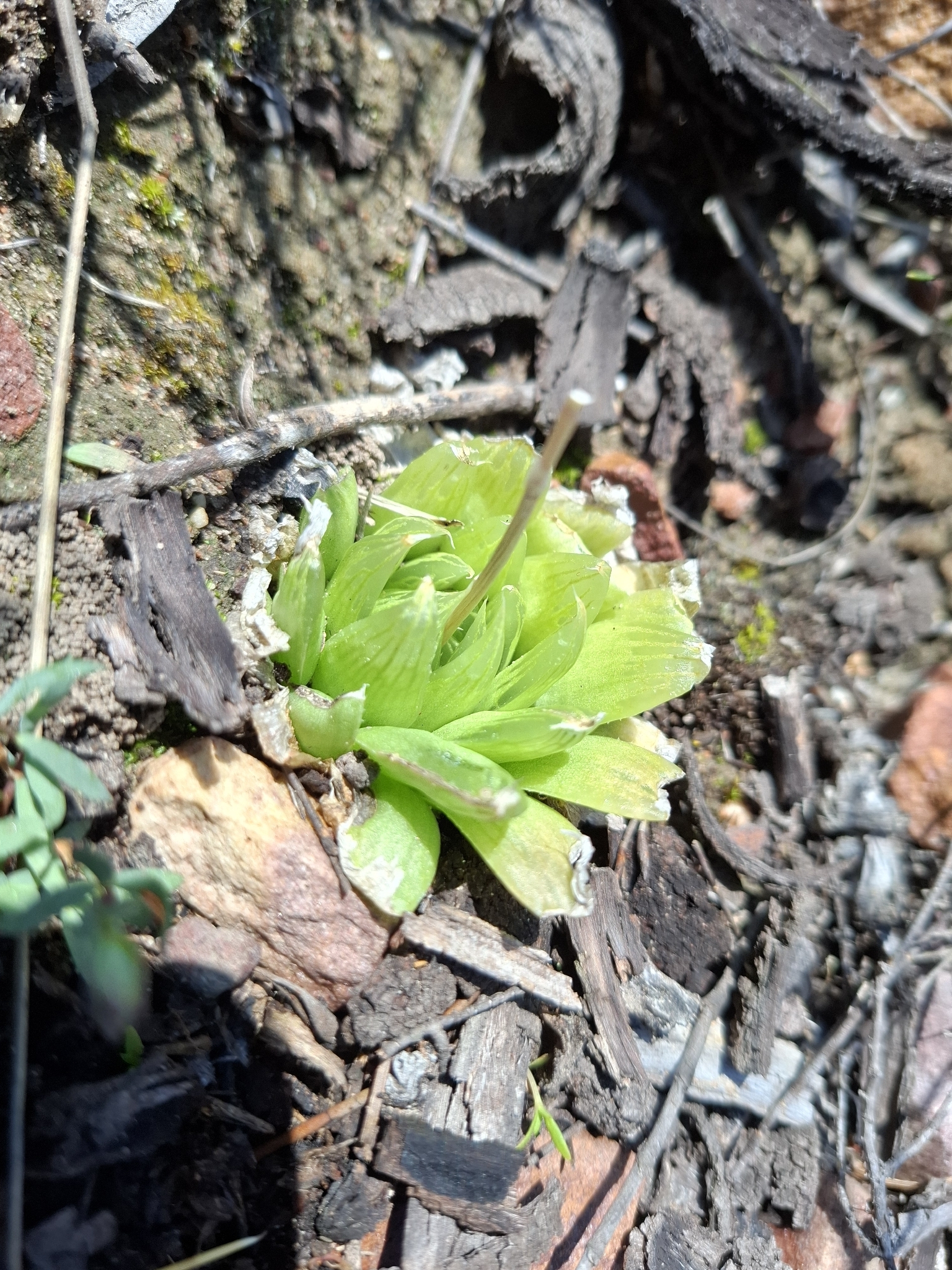
Bristle Haworthia
Haworthia cooperi
☀️ Bright Indirect 💧 Low

Burrawang
Macrozamia communis
Burro’s Tail
Sedum morganianum
☀️ Bright Indirect 💧 Low

Candelabra Aloe
Aloe arborescens
☀️ Full Sun 💧 Low

Cape Ivy
Senecio angulatus
☀️ Bright Indirect 💧 Low

Caribbean Agave
Agave angustifolia
☀️ Full Sun 💧 Low
Cathedral Bells
Kalanchoe pinnata
☀️ Bright Indirect 💧 Low
Century Plant
Agave americana
☀️ Full Sun 💧 Low

Christmas Cactus
Schlumbergera russeliana
☀️ Bright Indirect 💧 Moderate

Coastal Prickly Pear
Opuntia littoralis
☀️ Full Sun 💧 Low

Common Houseleek
Sempervivum tectorum
☀️ Full Sun 💧 Low
Common Ice Plant
Mesembryanthemum crystallinum
☀️ Full Sun 💧 Low

Crown of Thorns
Euphorbia milii
☀️ Full Sun 💧 Low

Desert Candle
Euphorbia abyssinica
☀️ Full Sun 💧 Low

Desert Rose
Adenium obesum
☀️ Full Sun 💧 Low

Desert Spoon
Dasylirion wheeleri
☀️ Full Sun 💧 Low

Elephant Bush
Portulacaria afra
☀️ Full Sun 💧 Low

Elephant’s Ear Kalanchoe
Kalanchoe beharensis
☀️ Bright Indirect 💧 Low
Common Questions
How often should you water indoor succulents?
Water indoor succulents only when the potting mix is completely dry all the way to the bottom of the container, which usually takes 10 to 21 days depending on room temperature.
Can all succulents handle direct sunlight?
No, while desert species thrive in 6 or more hours of direct sun, forest epiphytes such as Christmas cactus scorch and turn purple-red under intense midday rays.
What soil mix works best for succulents?
The best potting mix consists of two parts gritty mineral material—such as pumice, perlite, or coarse sand—to one part standard potting soil to ensure rapid drainage.
Do succulents survive winter freezing outdoors?
Only specific cold-hardy varieties like alpine sedums survive freezing temperatures, whereas tender species such as aloes, agaves, and hoyas suffer severe tissue collapse below 4 °C (40 °F).