Apocynaceae Family Plants: Identification and Care Guide
36 plant profiles · Discover the Apocynaceae family, including hoyas, frangipani, and milkweeds. Learn plant traits, toxicity details, and indoor care requirements.
The Apocynaceae family, commonly known as the dogbane family, includes over 5,000 species of trees, shrubs, succulents, and vines native mainly to tropical and subtropical regions. Most members produce a milky latex sap containing alkaloids or cardiac glycosides, making protective gloves necessary when pruning. Flowers typically feature 5 petals fused into a pinwheel shape, often followed by paired seed pods.
Selecting a species depends on your light levels and growing environment. Succulent varieties such as desert rose (Adenium obesum) and Madagascar palm (Pachypodium lamerei) require direct sun and minimum temperatures of 10 °C (50 °F). Vining epiphytes like wax plant (Hoya carnosa) and sweetheart hoya (Hoya kerrii) thrive in bright indirect light when allowed to dry between waterings.
For outdoor gardens, low-growing groundcovers like lesser periwinkle (Vinca minor) handle deep shade in USDA zones 4 through 9. Tender woody climbers like frangipani (Plumeria rubra) and Brazilian jasmine (Mandevilla sanderi) grow well in large pots moved outdoors during summer, while trailing indoor species like string of hearts (Ceropegia woodii) perform best in hanging planters near bright windows.

Apple of Sodom
Calotropis procera
☀️ Full Sun 💧 Low

Borache
Tabernaemontana undulata

Brazilian Jasmine
Mandevilla sanderi
☀️ Bright Indirect 💧 Moderate

Cheese Wood
Alstonia boonei

Chinese Violet
Telosma cordata
☀️ Full Sun 💧 Moderate

Climbing Oleander
Strophanthus gratus
☀️ Partial Sun 💧 Moderate

Crape Jasmine
Tabernaemontana divaricata
☀️ Bright Indirect 💧 Moderate

Crown Flower
Calotropis gigantea
☀️ Full Sun 💧 Low

Desert Rose
Adenium obesum
☀️ Full Sun 💧 Low

Easter Lily Vine
Beaumontia grandiflora
☀️ Full Sun 💧 Moderate

Frangipani
Plumeria rubra
☀️ Full Sun 💧 Low

Golden Trumpet
Allamanda cathartica
☀️ Full Sun 💧 Moderate

Greater Periwinkle
Vinca major
☀️ Partial Shade 💧 Moderate
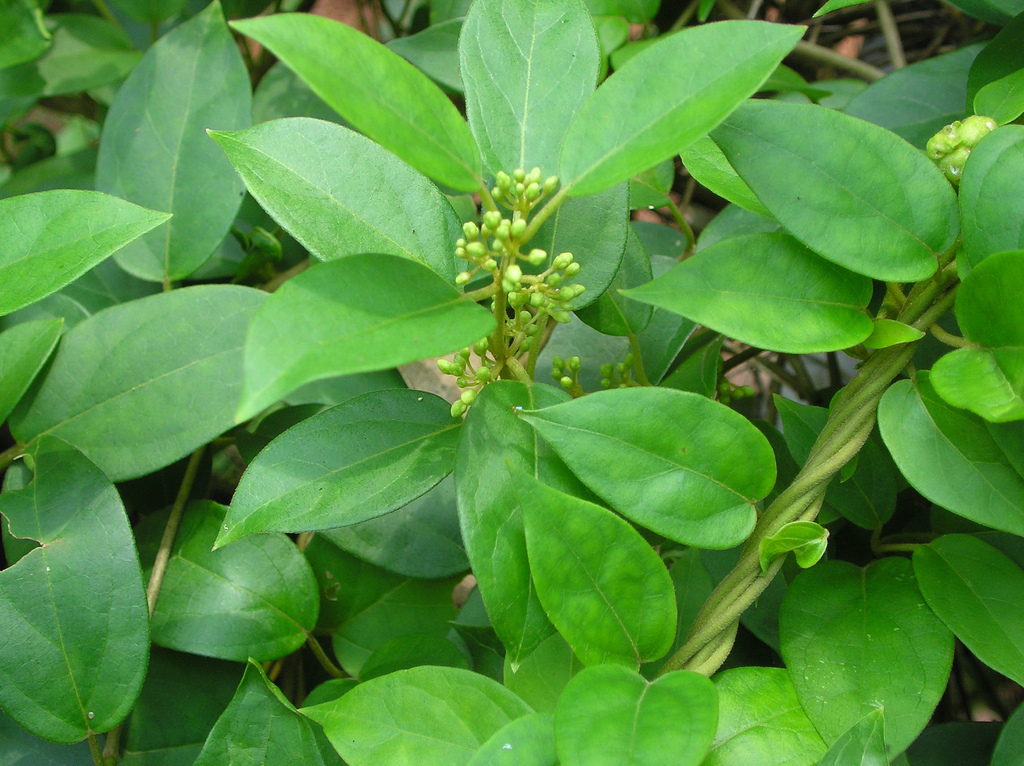
Gurmar
Gymnema sylvestre
☀️ Full Sun 💧 Moderate

Herbaceous Periwinkle
Vinca herbacea

Hoya pubicalyx
☀️ Bright Indirect 💧 Low
Indian Snakeroot
Rauvolfia serpentina
☀️ Partial Shade 💧 High
Karanda
Carissa carandas
☀️ Full Sun 💧 Moderate

Lagos Rubber Tree
Funtumia elastica

Lesser Periwinkle
Vinca minor
☀️ Partial Shade 💧 Moderate
Madagascar Jasmine
Stephanotis floribunda
☀️ Bright Indirect 💧 Moderate

Madagascar Palm
Pachypodium lamerei
☀️ Full Sun 💧 Low

Madagascar Periwinkle
Catharanthus roseus
☀️ Bright Indirect 💧 Moderate

Moth Plant
Araujia sericifera
Common Questions
Are all plants in the Apocynaceae family toxic?
Most Apocynaceae species contain toxic latex sap loaded with cardiac glycosides or toxic alkaloids that cause skin irritation and systemic illness if ingested. Always wear gloves during pruning and keep these plants out of reach of domestic pets.
How do you identify plants in the Apocynaceae family?
Look for milky white latex released when stems or leaves break, paired with 5-petaled pinwheel flowers. Leaves usually grow in opposite pairs or tight whorls along the stem.
Which Apocynaceae plants grow best indoors?
Wax plant (Hoya carnosa) and string of hearts (Ceropegia woodii) are the most adaptable indoor choices. Both thrive in standard household humidity of 40-50% and prefer soil to dry completely between waterings.
Do Apocynaceae plants need direct sun to flower?
Thick-stemmed succulents like desert rose require 6 hours of direct sunlight daily to set buds, whereas hoyas bloom under bright indirect light. Shaded outdoor groundcovers like periwinkle bloom reliably in partial morning sun.