
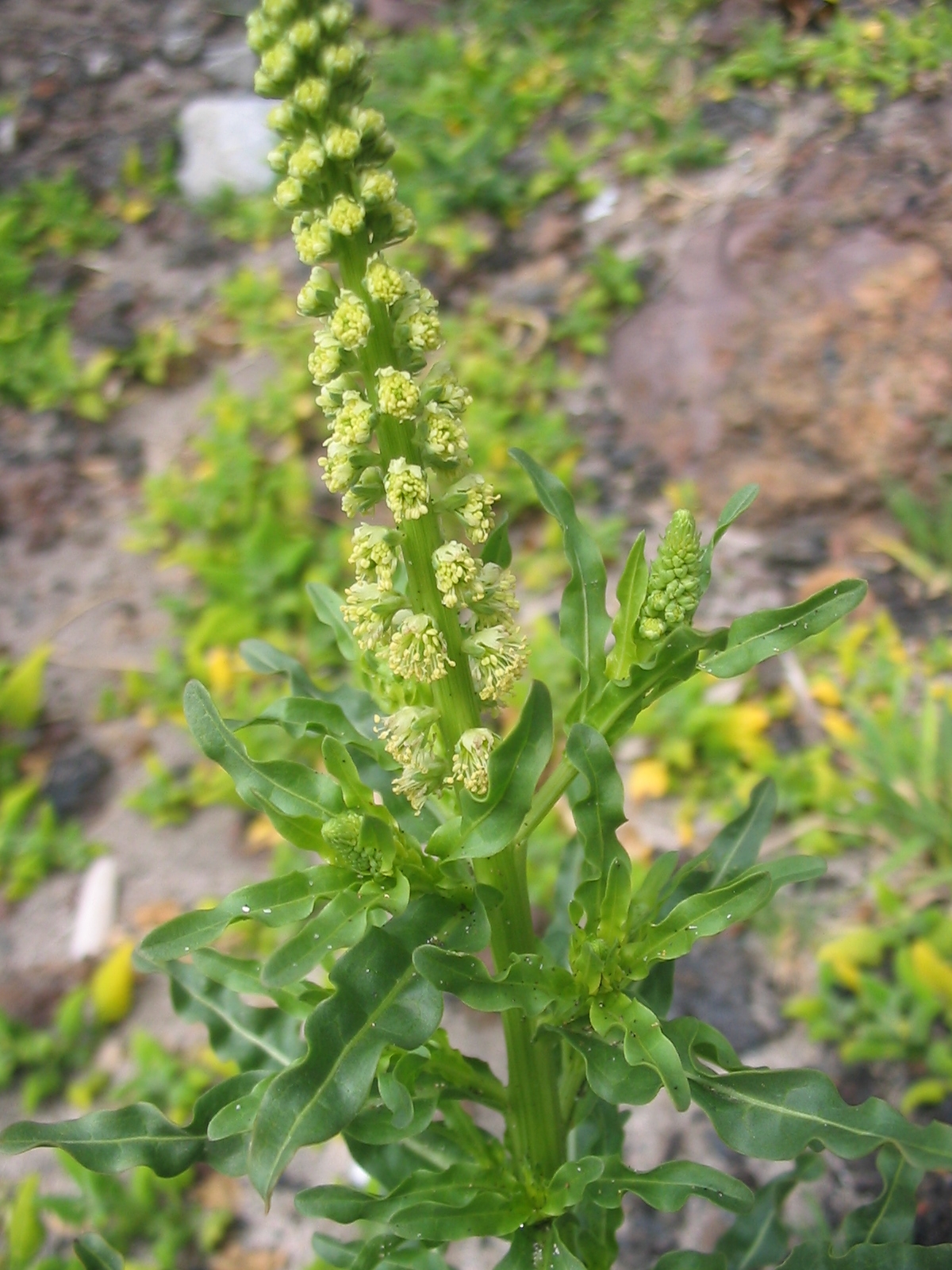
Weld (Reseda luteola) is a biennial herb native to Europe, North Africa, and parts of Asia, frequently found thriving on disturbed lime-rich ground and abandoned industrial sites. It produces upright spikes of small, greenish-yellow flowers above rosettes of lance-shaped leaves, growing up to 1.5 m (5 ft) tall.
Unlike metal welding machines and industrial welding rods, the weld plant is a botanical crop that requires specific gravelly soil conditions and full sun to flourish in the wild. Managing wild populations or home crops means watching for its natural lifecycle, as plants bolt into tall flower spikes in their second year before setting thousands of tiny seeds.
Key Facts
- Type: Biennial wildflower
- Height: Up to 1.5 m (5 ft)
- Flowers: Greenish-yellow in summer
- Habitat: Waste ground and lime soils
- Use: Historical natural yellow dye
Why Weld Plant Care Differs from Industrial Welding
Weld plant care involves monitoring soil moisture and light levels, unlike welding and metal fabrication services. While a welding company or an NDT inspection service deals with steel joints and welding holders, growing wild mignonette requires patience with soil pH and seed germination.
If you search for weld plant UK resources or weld plant leaves online, you will likely find dye-making guides rather than engineering equipment. Keep the soil dry and alkaline to support wild populations of Reseda luteola, ensuring you never confuse botany with metalworking tools.
How to Identify Dyer’s Rocket
You can identify weld by its basal rosette of oblong, unlobed leaves in the first year and a single, towering vertical spike of pale yellow flowers in the second year. The stems reach heights of 1.5 m (5 ft) and remain rigid even after the flowers fade into papery seed capsules.
- Leaves grow up to 10 cm (4 in) long with smooth, wavy margins.
- Flowers feature four greenish-yellow petals and prominent orange anthers.
- Seeds shatter easily from cup-like capsules in late autumn.
- Taproots grow deep into rubble and chalky subsoil.
Natural Habitat and Where to Find Weld
Weld grows naturally in open, disturbed limestone soils, railway embankments, and abandoned quarries across temperate regions. It colonizes bare ground quickly because its seeds remain viable in the soil seed bank for decades.
Look for wild populations on south-facing chalk slopes or gravel pits where competition from dense grasses is low. The species thrives in poor fertility and tolerates summer drought thanks to its deep taproot system.
Ecology and Pollinator Interactions
Weld supports dozens of specialized insect species, attracting native bees, hoverflies, and butterflies during its summer bloom period. The flowers produce copious amounts of nectar that draw solitary bees and beneficial predatory wasps.
- Provides a primary food source for specialist oligolectic bees.
- Acts as a larval host plant for certain moth species.
- Attracts predatory insects that help manage garden pests.
Conservation Status and Distribution
Weld is classified as least concern globally and appears as an introduced weed or casual alien in many non-native regions outside Europe. Populations fluctuate wildly from year to year depending on the amount of soil disturbance in local habitats.
Urban development often creates fresh waste ground that suits the germination requirements of Reseda luteola. Conservation efforts are rarely necessary as the plant spreads aggressively when left undisturbed on alkaline spoil heaps.
Traditional Uses in Natural Dyeing
Weld is historically recognized as one of the richest sources of natural yellow dye, containing the flavonoid luteolin in its leaves and stems. Ancient dyers used the harvested vegetation alongside alum mordants to produce brilliant, light-fast yellow and green textile colors.
- Harvesting occurs just as the flowers begin to open in mid-summer.
- Whole plants are cut near the base and dried in shaded, airy rooms.
- Combined with woad (Isatis tinctoria), it creates the classic shade known as Lincoln green.
Plants Similar to Weld
Weld shares physical similarities with wild mignonette (Reseda phyteuma) and corn mignonette (Reseda lutea), which have more deeply divided, lobed leaves. Gardeners and botanists occasionally confuse these species before the tall flower spikes emerge.
- Corn mignonette (Reseda lutea) has deeply cut, pinnate leaves and shorter flower spikes.
- Wild mignonette (Reseda phyteuma) features broader flowers and wider petals.
- Weld (Reseda luteola) stands taller with entire, unlobed leaves and dense yellow spikes.
Frequently Asked Questions
What is the difference between weld plant and metal welding?
Weld plant (Reseda luteola) is a yellow dye wildflower, whereas metal welding is an industrial joining process using heat and filler rods.
Is weld an annual or perennial plant?
Weld is strictly a biennial plant that forms a leafy rosette in its first year and flowers, sets seed, and dies in its second year.
How do you harvest weld for natural dyeing?
You harvest weld by cutting the entire above-ground plant at peak bloom in mid-summer before drying it for dye extraction.
Where does weld grow naturally?
Weld grows naturally on dry, lime-rich waste ground, railway sidings, and chalky quarries across Europe and temperate Asia.
Sources & Verification
Taxonomy and distribution are checked against the databases below. Care guidance is written for cultivated species only and reviewed by our editor. How We Build Plant Profiles →