Types of Ferns for Indoors and Outdoors
42 plant profiles · Compare 27 fern varieties for gardens, terrariums, and indoor pots. Learn how light, humidity, and spore reproduction shape their care needs.
Ferns are non-flowering vascular plants that reproduce via microscopic spores rather than flowers or seeds. Unlike seed-bearing angiosperms, all ferns alternate generations through a free-living, water-dependent gametophyte stage, which anchors their evolutionary requirement for consistent ambient moisture. While most terrestrial species develop creeping rhizomes and divided fronds called pinnae, the group encompasses submerged aquatic species, mounted epiphytes, and thick, leathery entire-leafed specimens.
Selecting the right fern depends on your indoor humidity levels and outdoor temperature minimums. For household cultivation in typical indoor humidity of 40 to 50%, species like the blue star fern (Phlebodium aureum) and bird's nest fern (Asplenium nidus) tolerate drier air better than the classic Boston fern (Nephrolepis exaltata), which sheds leaflets when moisture drops below 60%. Mounted epiphytes like the staghorn fern (Platycerium bifurcatum) absorb water through basal shield fronds and foliar trichomes, requiring submersions rather than surface potting.
For outdoor shade gardens, cold hardiness dictates your choice. The male fern (Dryopteris filix-mas) and hart's-tongue fern (Asplenium scolopendrium) survive winter drops to -20 °C (-4 °F), thriving in alkaline to neutral soils under deciduous woodland canopies. In contrast, specialized environments require distinct taxa: the java fern (Leptochilus pteropus) grows fully submerged attached to river stones in freshwater aquariums, while the four-leaf clover fern (Marsilea quadrifolia) roots in muddy pond margins with floating leaflets.

Adder’s Tongue
Ophioglossum vulgatum
☀️ Partial Shade 💧 Moderate
Autumn Fern
Dryopteris erythrosora
☀️ Partial Shade 💧 Moderate

Beech Fern
Phegopteris connectilis
☀️ Full Shade 💧 High

Bird’s Nest Fern
Asplenium nidus
☀️ Bright Indirect 💧 Moderate

Blue Star Fern
Phlebodium aureum
☀️ Bright Indirect 💧 Moderate

Boston Fern
Nephrolepis exaltata
☀️ Bright Indirect 💧 High
Bracken
Pteridium aquilinum

Brittle Bladder Fern
Cystopteris fragilis

California Wood Fern
Dryopteris arguta
☀️ Partial Shade 💧 Low

Christmas Fern
Polystichum acrostichoides
☀️ Partial Shade 💧 Moderate
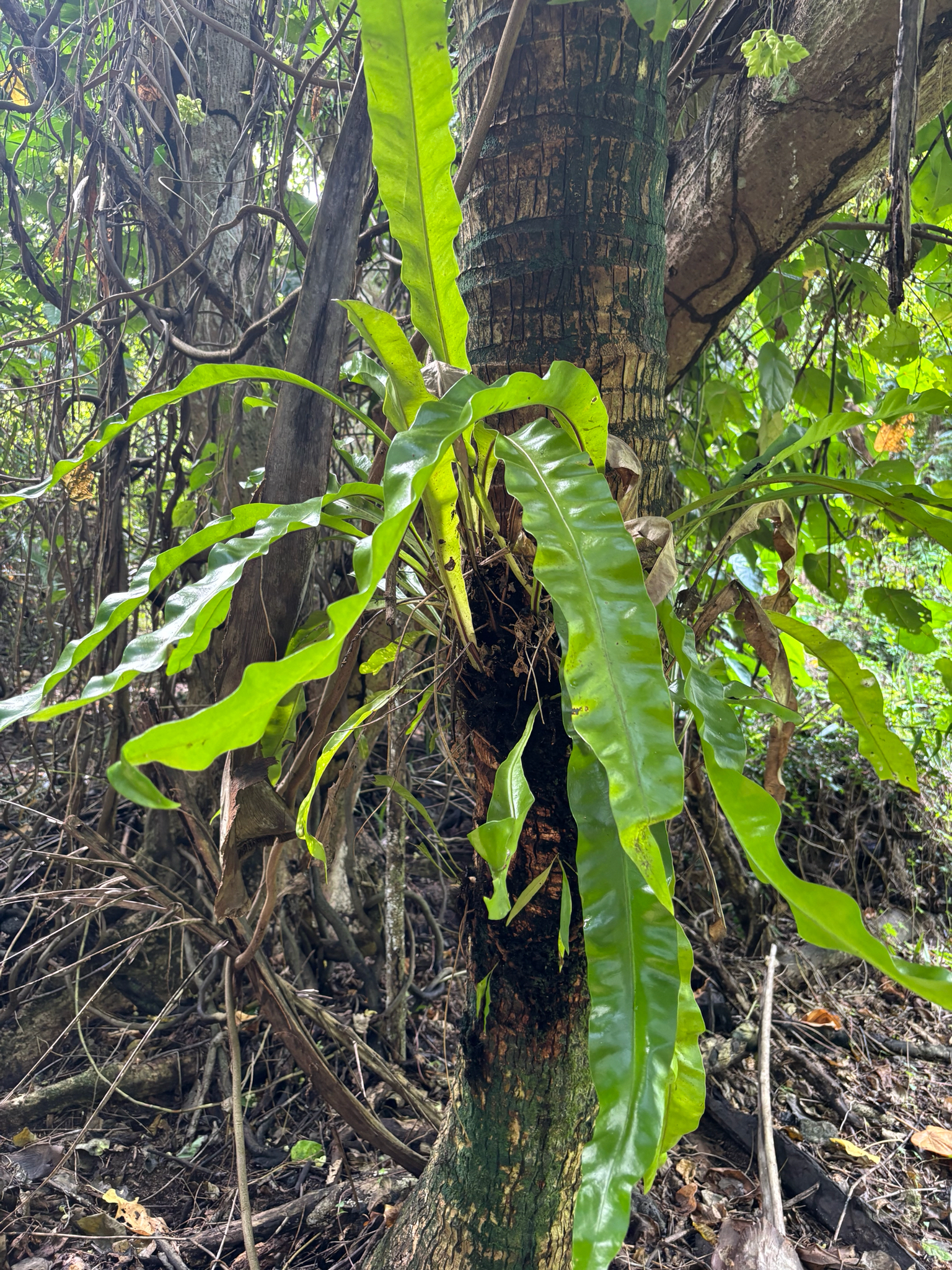
Climbing Bird’s Nest Fern
Microsorum punctatum
☀️ Bright Indirect 💧 Moderate

Climbing Swamp Fern
Stenochlaena palustris
💧 High

Common Polypody
Polypodium vulgare
☀️ Partial Shade 💧 Low

Downy Maiden Fern
Christella dentata

Field Horsetail
Equisetum arvense
Floating Fern
Salvinia natans
☀️ Bright Indirect 💧 Aquatic
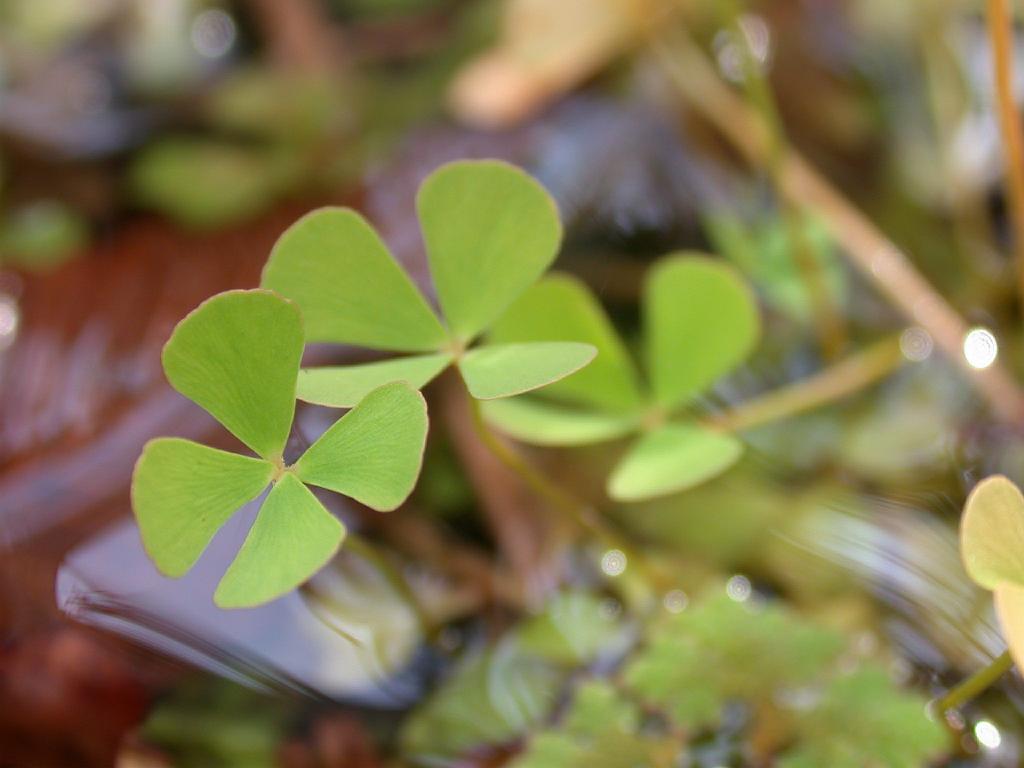
Four-Leaf Clover Fern
Marsilea quadrifolia
☀️ Full Sun 💧 Aquatic

Giant Salvinia
Salvinia molesta
☀️ Full Sun 💧 Aquatic

Golden Tree Fern
Dicksonia fibrosa
☀️ Partial Shade 💧 High

Hart’s-Tongue Fern
Asplenium scolopendrium
☀️ Partial Shade 💧 Moderate

Japanese Holly Fern
Cyrtomium falcatum
☀️ Partial Shade 💧 Moderate

Java Fern
Leptochilus pteropus
☀️ Low Light 💧 Aquatic

Lady Fern
Athyrium filix-femina
☀️ Partial Shade 💧 High

Leatherleaf Fern
Rumohra adiantiformis
☀️ Bright Indirect 💧 Moderate
Common Questions
Do ferns ever produce flowers or seeds?
No, ferns are seedless vascular plants that reproduce exclusively through microscopic spores contained in structures called sporangia on the underside of their fronds.
Why do the tips of fern fronds turn brown and crispy?
Frond tips turn brown primarily when ambient relative humidity drops below 50% or when the root ball dries out completely between waterings.
Can ferns grow in full direct sunlight?
Most ferns scorch in direct sunlight, requiring dappled shade or bright indirect light, though a few species like the bracken fern can tolerate open exposures in damp soil.
How often should indoor ferns be watered?
Water indoor ferns when the top 1 to 2 cm (0.5 to 1 in) of potting soil feels dry to the touch, which typically equates to every 4 to 7 days.