Best Trees for Bonsai Training and Care
13 plant profiles · Explore top tree species suitable for bonsai, from cold-hardy maples to tropical figs. Learn wiring, pruning, and light requirements for each plant.
Cultivating trees in shallow containers requires species with woody stems, small leaves or foliage that reduces under root confinement, and flexible branches that tolerate regular wiring. Selecting the right species depends primarily on your local climate, as outdoor deciduous trees like Japanese maple (Acer palmatum) and European hornbeam (Carpinus betulus) require a winter dormancy period below 7 °C (45 °F), while tropical and subtropical species demand frost-free conditions year-round.
For indoor cultivation or warmer microclimates, evergreen species with vigorous root systems respond well to tight pot boundaries. Port Jackson fig (Ficus rubiginosa) and coastal premna (Premna serratifolia) tolerate aggressive root pruning and produce aerial roots in high humidity. In contrast, coastal conifers such as Monterey cypress (Cupressus macrocarpa) demand high sun exposure and free-draining substrate to prevent root rot.
Choosing between flowering, fruiting, or foliage bonsai comes down to your seasonal interest and pruning patience. Spring-blooming varieties like Japanese apricot (Prunus mume) and Japanese flowering crabapple (Malus floribunda) reward careful branch development with early blooms, but demand precise timing during summer pruning to avoid stripping next year's flower buds. Match your daily watering capacity and overwintering setup to the species' specific moisture and cold tolerance.

American Elm
Ulmus americana
☀️ Full Sun 💧 Moderate

Bantigue
Pemphis acidula
☀️ Full Sun 💧 Moderate

Chinese Golden Larch
Pseudolarix amabilis
☀️ Full Sun 💧 Moderate
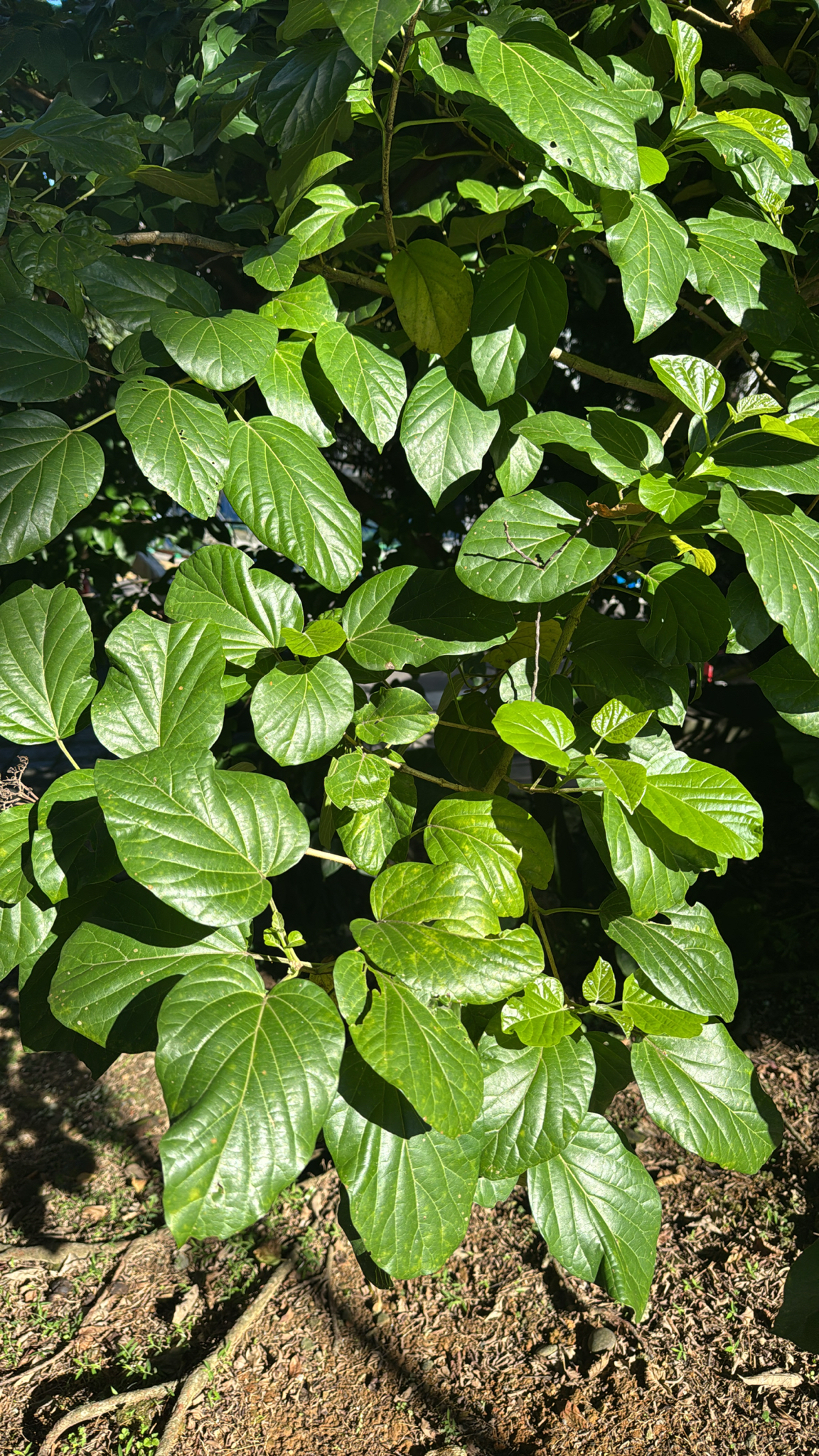
Coastal Premna
Premna serratifolia
☀️ Full Sun 💧 Moderate

European Hornbeam
Carpinus betulus
☀️ Full Sun 💧 Moderate
Fullmoon Maple
Acer japonicum
☀️ Partial Shade 💧 Moderate

Japanese Apricot
Prunus mume
☀️ Full Sun 💧 Moderate

Japanese Fig
Ficus erecta
☀️ Full Sun 💧 High

Japanese Flowering Crabapple
Malus floribunda
☀️ Full Sun 💧 Moderate

Japanese Maple
Acer palmatum
☀️ Partial Shade 💧 Moderate
Monterey Cypress
Cupressus macrocarpa
☀️ Full Sun 💧 Moderate

Montezuma Bald Cypress
Taxodium mucronatum
☀️ Full Sun 💧 High

Port Jackson Fig
Ficus rubiginosa
☀️ Full Sun 💧 Moderate
Common Questions
Can any tree be turned into a bonsai?
Most woody trees and shrubs can become bonsai if they produce small leaves, tolerate frequent root pruning, and form thick woody trunks in shallow pots.
Do bonsai trees need to stay outdoors?
Temperate species must live outdoors year-round to undergo winter dormancy, while tropical species require indoor shelter when temperatures drop below 10 °C (50 °F).
How often should you water a bonsai tree?
Water bonsai whenever the top 5 mm (0.2 in) of soil feels dry, which often means daily watering during hot summer months due to small pot volumes.
When is the best time to prune bonsai branches?
Major structural pruning is best done in late winter before new spring growth begins, while soft maintenance pinching occurs throughout the active growing season.