Plants in the Cupressaceae Family
30 plant profiles · Cupressaceae family plants list covering cypresses, junipers, arborvitae and incense cedar. Scale-leaf identification, mature size and growing notes.
The cypress family (Cupressaceae) includes evergreen conifers and deciduous trees ranging from prostrate ground-cover shrubs to the largest living organisms on Earth. Members share reddish-brown bark that peels in vertical strips, scale-like or needle-like foliage arranged in opposite pairs or whorls of three, and woody or berry-like seed cones. Native across every continent except Antarctica, these conifers thrive in temperate, subarctic, and Mediterranean climates from USDA zones 2 through 10.
Choosing the right species depends on your landscape size and soil drainage. Large timber trees like the western red cedar (Thuja plicata) and giant sequoia (Sequoiadendron giganteum) require expansive open areas with deep soil. For wetland sites or wet garden edges, deciduous species such as the bald cypress (Taxodium distichum) tolerate standing water up to 30 cm (12 in) deep, while the dawn redwood (Metasequoia glyptostroboides) thrives along damp stream banks.
Compact landscapes and rock gardens benefit from smaller juniper species. Creeping juniper (Juniperus horizontalis) forms low mats under 30 cm (1 ft) tall, while flaky juniper (Juniperus squamata) offers dense, blue-hued foliage. For fast-growing privacy hedges, gardeners plant Lawson’s cypress (Chamaecyparis lawsoniana) or common juniper (Juniperus communis), both of which tolerate regular pruning during late winter.

Bald Cypress
Taxodium distichum
☀️ Full Sun 💧 High

Chilean Cedar
Austrocedrus chilensis
☀️ Full Sun 💧 Low

Chinese Arborvitae
Platycladus orientalis
☀️ Full Sun 💧 Low

Chinese Juniper
Juniperus chinensis
☀️ Full Sun 💧 Low

Coast Redwood
Sequoia sempervirens
☀️ Full Sun 💧 High

Common Juniper
Juniperus communis
☀️ Full Sun 💧 Low

Creeping Juniper
Juniperus horizontalis
☀️ Full Sun 💧 Low

Dawn Redwood
Metasequoia glyptostroboides
☀️ Full Sun 💧 High

Drooping Juniper
Juniperus recurva
☀️ Full Sun 💧 Moderate

Eastern Red Cedar
Juniperus virginiana
☀️ Full Sun 💧 Low

Flaky Juniper
Juniperus squamata
☀️ Full Sun 💧 Low
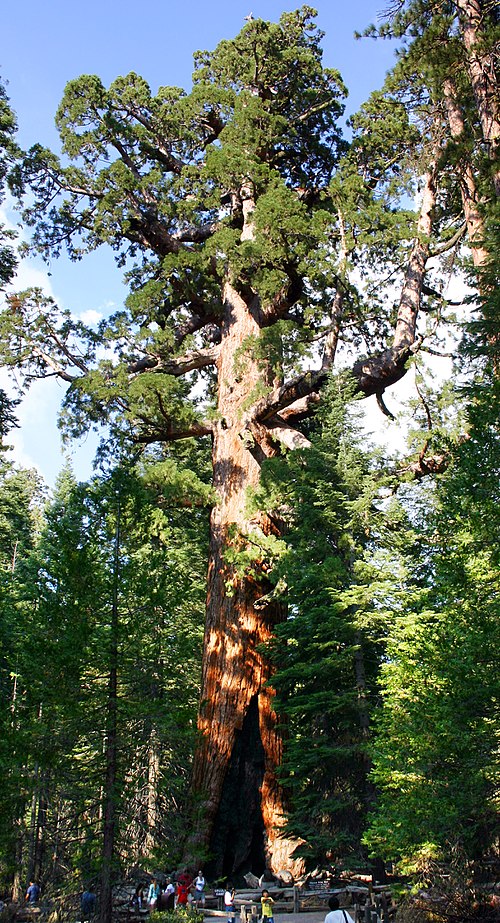
Giant Sequoia
Sequoiadendron giganteum
☀️ Full Sun 💧 Moderate

Hinoki Cypress
Chamaecyparis obtusa
☀️ Full Sun 💧 Moderate

Incense Cedar
Calocedrus decurrens
☀️ Full Sun 💧 Low
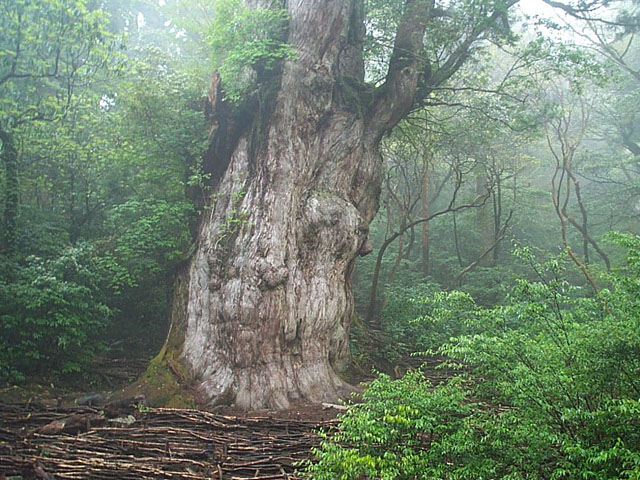
Japanese Cedar
Cryptomeria japonica
☀️ Full Sun 💧 Moderate

Japanese Garden Juniper
Juniperus procumbens
☀️ Full Sun 💧 Low

King Billy Pine
Athrotaxis selaginoides
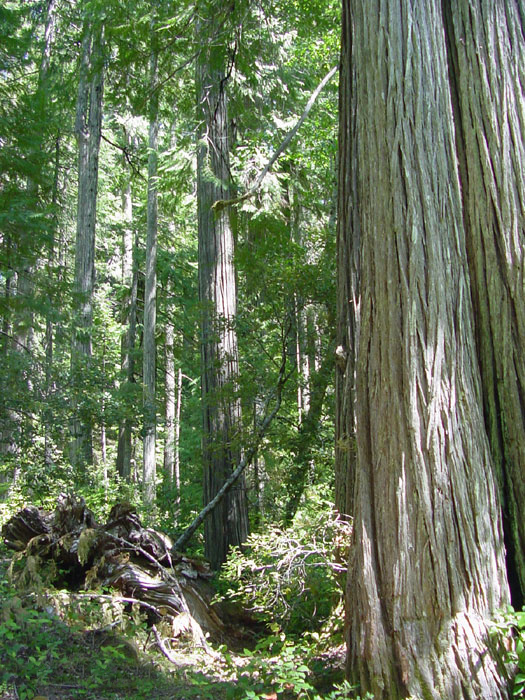
Lawson’s Cypress
Chamaecyparis lawsoniana
☀️ Full Sun 💧 Moderate

Leyland Cypress
Hesperotropsis leylandii
☀️ Full Sun 💧 Moderate

Mallee Pine
Callitris verrucosa

Mediterranean Cypress
Cupressus sempervirens
☀️ Full Sun 💧 Low
Monterey Cypress
Cupressus macrocarpa
☀️ Full Sun 💧 Moderate

Montezuma Bald Cypress
Taxodium mucronatum
☀️ Full Sun 💧 High

Mountain Cypress
Widdringtonia nodiflora
Common Questions
How can you tell if a tree belongs to the Cupressaceae family?
You can identify Cupressaceae plants by their scale-like leaves pressed flat against thin twigs, fibrous reddish bark peeling in vertical strips, and small woody or fleshy berry-like cones.
Are all plants in the Cupressaceae family evergreen?
No, three genera in the Cupressaceae family are deciduous: Taxodium (bald cypress), Metasequoia (dawn redwood), and Glyptostrobus (Chinese swamp cypress), which turn copper and shed their branchlets every autumn.
What soil conditions do Cupressaceae plants need?
Most Cupressaceae species require well-draining soil with a pH between 5.5 and 7.0, though wetland species tolerate waterlogged clay soils.
How far apart should you plant Cupressaceae privacy hedges?
Space hedge conifers 60 to 90 cm (2 to 3 ft) apart from center to center to create a dense privacy screen.