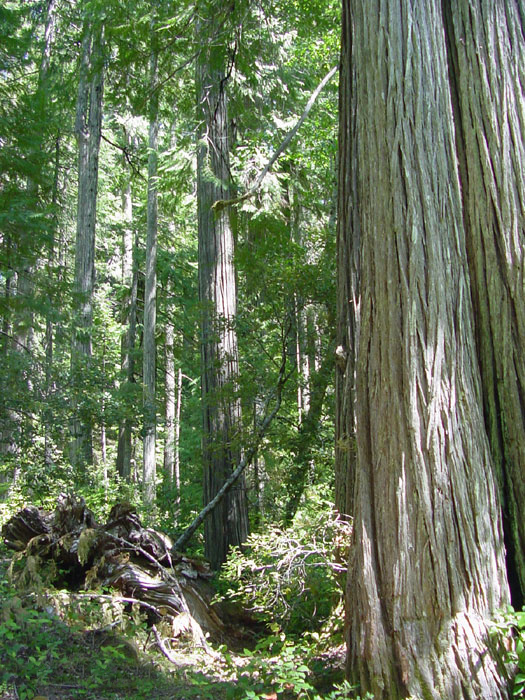
Hinoki cypress is a coniferous evergreen native to central Japan, belonging to the Chamaecyparis obtusa species. It is recognized by its dark green, scale-like leaves that form flat, fan-shaped sprays with distinct white “Y” markings on the leaf undersides.
While wild trees reach massive proportions in the mountains of Honshu and Shikoku, garden varieties are mostly slow-growing dwarfs. This conifer requires acidic, well-drained soil and will fail in waterlogged ground or high-alkaline sites.
Key Facts
- Growth Rate: slow, often only 5-15 cm (2-6 in) per year
- Hardiness: USDA zones 5 through 8
- Soil pH: prefers acidic levels between 5.0 and 6.5
- Mature Height: 60 cm (2 ft) for dwarfs to 35 m (115 ft) for species
- Light: full sun to partial shade
Is Hinoki Cypress Right for Your Garden?
Hinoki cypress is a slow-growing evergreen that requires patience and a permanent location due to its sensitive root system. It suits gardeners who want year-round structure without the need for frequent pruning or large-scale maintenance. Because it grows as little as 5 cm (2 in) annually in some dwarf varieties, it is an ideal choice for rock gardens, large containers, or Japanese-style landscapes.
You must ensure your garden provides the specific drainage this species demands. In its native Japanese habitat, it grows on mountain slopes where water moves quickly past the roots. If your garden has heavy clay or sits in a low-lying boggy area, the tree will likely succumb to root rot within two seasons.
- Best for small gardens due to slow growth
- Thrives in humid temperate climates
- Requires protection from harsh, drying winter winds
- Fits well in minimalist or Zen-inspired designs
Identifying Hinoki Cypress by Its Foliage and Bark
You can identify Hinoki cypress by its flat, fan-like foliage sprays and the reddish-brown bark that peels in long, vertical strips. The leaves are scale-like and tightly pressed against the branchlets, creating a thick, layered texture. If you flip a foliage fan over, you will see fine white lines forming a “Y” shape at the junctions of the scales, which distinguishes it from the “X” markings of Lawson cypress (Chamaecyparis lawsoniana).
The tree produces small, globe-shaped cones that measure about 10-12 mm (0.4-0.5 in) in diameter. These cones start as a green color and mature into a reddish-brown, consisting of 8 to 10 scales arranged in opposite pairs. The overall habit of the species is pyramidal, but many cultivars like ‘Nana Gracilis’ form irregular, mounded shapes that look like sculpted coral.
- Foliage: Dark green, blunt-tipped scales
- Bark: Fibrous, reddish-brown, attractive in winter
- Cones: Small, woody spheres with 8-10 scales
- Underside: Distinct white “Y” stomatal markings
Choosing the Best Site for Planting
Plant your Hinoki cypress in a spot that receives at least six hours of sunlight, though partial shade is beneficial in hotter climates like USDA zone 8. In northern regions, full sun ensures the foliage remains dense and prevents the interior of the plant from thinning out. Avoid sites with heavy afternoon sun if you are growing golden-leaved cultivars, as these can suffer from foliage scorch.
The soil must be acidic and rich in organic matter. If your soil is naturally alkaline, you should incorporate peat moss or elemental sulfur before planting to lower the pH. Ensure the site is sheltered from prevailing winds, which can cause winter desiccation and tip dieback, especially on young trees or dwarf varieties like ‘Chirimen’.
- Spacing: Allow 1-2 m (3-6 ft) for dwarf shrubs; 6 m (20 ft) for trees
- Exposure: Shield from cold, drying northern winds
- Soil: Amend heavy clay with grit and compost for drainage
- Airflow: Ensure good circulation to prevent fungal leaf blights
Watering and Feeding Requirements
Keep the soil consistently moist but never saturated, especially during the first two years after planting. Hinoki cypress has a shallow root system that does not tolerate prolonged drought. During dry summer spells, apply water deeply once a week, ensuring the moisture reaches at least 20 cm (8 in) below the surface.
Fertilize lightly in early spring before new growth begins using a balanced, slow-release fertilizer designed for acid-loving evergreens. Avoid high-nitrogen fertilizers late in the summer, as this encourages soft growth that will not harden off before the first frost. A 5 cm (2 in) layer of pine bark mulch around the base will help retain moisture and keep the roots cool.
- Watering: 2.5 cm (1 in) of water per week during summer
- Mulching: Use acidic materials like pine needles or shredded bark
- Feeding: Apply 10-10-10 fertilizer in late March or April
- Container Care: Check moisture daily as pots dry out faster
How to Prune Hinoki Cypress Correctly
Never prune back into the brown, leafless interior of a Hinoki cypress branch, as it will not regenerate from old wood. Unlike many broadleaf shrubs, this conifer only grows from the green tips. If you cut past the green needles into the bare wood, you will be left with a permanent dead spot in the tree’s canopy.
Pruning should be limited to light thinning to improve air circulation or removing dead and diseased wood. Use sharp hand pruners to selectively remove individual branchlets rather than using hedge shears, which produce a flat, artificial look and damage the delicate fan-shaped tips. The best time for light shaping is in late spring or early summer after the initial flush of growth has emerged.
- Method: Selective thinning of crowded branchlets
- Timing: Late May to early July
- Warning: Avoid shearing the outer surface into balls
- Cleaning: Sanitize blades between plants to prevent disease spread
Propagating New Trees from Cuttings
Propagate Hinoki cypress by taking semi-hardwood cuttings in late summer or early autumn. Cuttings should be approximately 10-15 cm (4-6 in) long, taken from the current season’s growth with a small “heel” of older wood attached. This species is notoriously slow to root, often taking three to six months to develop a functional root system.
Dip the base of the cuttings in a strong rooting hormone and insert them into a mix of perlite and peat moss. Maintain high humidity by covering the tray with a plastic dome and keep them in a bright spot away from direct sunlight. Bottom heat set to 21 °C (70 °F) can significantly increase the success rate and speed of root formation.
- Cutting Type: Semi-hardwood with a heel
- Rooting Time: 12-24 weeks
- Success Rate: Moderate; take twice as many as you need
- Aftercare: Overwinter in a frost-free, bright location
Common Hinoki Cypress Problems and Pests
The most frequent issue is root rot caused by Phytophthora, which occurs in poorly drained soils. Symptoms include a general yellowing of the entire plant followed by rapid browning and death. There is no cure for root rot once established, so prevention through proper site selection and drainage is the only effective strategy.
Bagworms and spider mites may occasionally attack the foliage. Spider mites are most active in hot, dry weather and cause a dusty or bronzed appearance on the needles. You can check for mites by shaking a branch over a white piece of paper; if tiny specks start crawling, treat the plant with a strong stream of water or insecticidal soap.
- Juniper Scale: Small white bumps on stems; treat with dormant oil
- Bagworms: Spindle-shaped cocoons; pick off by hand in winter
- Phomopsis Blight: Tip dieback; prune out infected parts in dry weather
- Magnesium Deficiency: Yellowing needles; apply Epsom salts if soil is deficient
Winter Care and Protection
Protect young Hinoki cypress from winter burn and heavy snow loads by using burlap screens or light tying. Winter burn happens when frozen ground prevents the roots from replacing moisture lost through the needles on sunny, windy days. A thorough watering in late autumn before the ground freezes is the most effective way to prevent this damage.
Many cultivars exhibit a natural color change called “bronzing” during the winter months, where the green foliage turns a purplish or brownish hue. This is a physiological response to cold and is not a sign of ill health; the green color will return as temperatures rise in the spring. For upright cultivars, wrap the branches loosely with twine to prevent heavy snow from splaying the limbs apart.
- Hydration: Water deeply in November until the first hard freeze
- Screening: Use burlap on the windward side of the plant
- Snow: Gently brush off heavy accumulations with an upward motion
- Anti-desiccants: Apply specialized sprays in December and February
Uses for Hinoki Wood and Essential Oils
Hinoki wood is a highly rot-resistant timber traditionally used in Japan for building palaces, temples, and shrines. It contains natural phytoncides—chemical compounds that the tree uses to protect itself from bacteria and fungi. These compounds give the wood a distinct, lemon-like scent that is often used in aromatherapy and high-end perfumes.
In modern homes, Hinoki is a preferred material for high-quality cutting boards because the wood is soft enough to preserve the sharp edges of Japanese steel knives. It is also used for traditional ofuro (soaking tubs) because the wood does not rot easily when exposed to hot water and releases its fragrance when wet. The essential oil was traditionally used in folk medicine for its purported antiseptic properties.
- Timber: Used in the construction of the Horyu-ji temple
- Kitchen: Ideal for end-grain cutting boards and sushi counters
- Wellness: Oil used in soaps and candles for its earthy scent
- Durability: Natural resistance to termites and decay
Year-Round Care for Hinoki Cypress
| Spring | Apply a slow-release acidic fertilizer in March. Remove any winter-damaged branch tips once the risk of hard frost has passed. |
|---|---|
| Summer | Monitor soil moisture daily during heatwaves. Apply a fresh 5 cm (2 in) layer of mulch to keep roots cool and hydrated. |
| Autumn | Water deeply and frequently until the first ground freeze. This is the best time to take semi-hardwood cuttings for propagation. |
| Winter | Shield young plants from wind using burlap. Brush off heavy snow promptly to prevent branch breakage on upright varieties. |
Common Hinoki Cypress Problems Explained
| What you see | Likely cause | What to do |
|---|---|---|
| Entire plant turns brown and brittle | Root rot or extreme drought | Check soil drainage; if soggy, the plant likely cannot be saved. |
| Foliage turns purple or bronze in winter | Natural cold response | No action needed; color will return to green in spring. |
| Brown interior needles in autumn | Natural seasonal shedding | Gently shake the tree to remove old needles; this is normal for conifers. |
| White cottony masses on stems | Scale insects or mealybugs | Apply neem oil or insecticidal soap during the crawler stage. |
Popular Hinoki Cypress Cultivars
- ‘Nana Gracilis’ – dark green, shell-shaped foliage, very slow
- ‘Crippsii’ – golden-yellow fans, grows into a larger pyramid
- ‘Kosteri’ – twisted, prostrate branchlets, good for rockeries
- ‘Chirimen’ – upright, congested columns resembling coral
- ‘Thoweil’ – extremely narrow, sculptural dwarf form
- ‘Fernspray Gold’ – arching branches with bright yellow tips
Best Companion Plants for Japanese Cypress
Pair Hinoki cypress with other acid-loving plants that share its preference for well-drained, organic soil. Japanese maples (Acer palmatum) provide a contrasting leaf texture and seasonal color that complements the steady green of the cypress. The fine needles of the cypress also look effective when planted alongside the broad, glossy leaves of Pieris (Pieris japonica) or rhododendrons.
For groundcovers, consider using creeping junipers (Juniperus horizontalis) or moss-like plants that thrive in similar conditions. These companions help maintain soil moisture and create a cohesive woodland or Japanese garden aesthetic. Avoid planting near aggressive, fast-growing trees that might shade out the Hinoki or compete too heavily for water.
- Trees: Japanese Maple (Acer palmatum)
- Shrubs: Azalea (Rhododendron spp.) and Skimmia (Skimmia japonica)
- Perennials: Hosta (Hosta spp.) and Japanese Forest Grass (Hakonechloa macra)
- Conifers: Bird’s Nest Spruce (Picea abies ‘Nidiformis’)
Frequently Asked Questions
Can Hinoki cypress be grown as a bonsai?
Yes, Hinoki cypress is a premier species for bonsai due to its naturally small leaves and attractive bark. Cultivars like 'Nana Gracilis' and 'Chirimen' are particularly popular for their slow growth and ability to take on a rugged, aged appearance in small containers.
What does Hinoki cypress smell like?
The wood and foliage have a distinct, clean scent that combines notes of lemon, light spice, and earthy pine. This fragrance is released most strongly when the wood is wet or the foliage is crushed, and it is highly valued in Japanese culture for its relaxing properties.
Why are the tips of my Hinoki cypress turning brown?
Brown tips are usually caused by winter desiccation or drying winds. To prevent this, ensure the plant is well-watered before winter and place it in a location sheltered from harsh gusts.
Is Hinoki cypress toxic to cats or dogs?
Hinoki cypress is not listed as toxic to cats, dogs, or horses by the ASPCA. However, as with any evergreen, ingesting large amounts of the fibrous needles can cause mild stomach upset in some pets.
How fast does a dwarf Hinoki cypress grow?
Most dwarf varieties grow very slowly, typically adding only 2.5 to 7.5 cm (1 to 3 in) of new growth per year. This makes them excellent long-term choices for containers where they won't outgrow their space quickly.
Information about traditional or historical uses is provided for educational interest only and is not medical advice. Do not use any plant to treat a condition without speaking to a qualified professional.
Sources & Verification
Taxonomy and distribution are checked against the databases below. Care guidance is written for cultivated species only and reviewed by our editor. How We Build Plant Profiles →