Liliaceae Family Plant Identification and Care Guide
18 plant profiles · Explore the lily family (Liliaceae). Learn how to grow tulips, true lilies, and fritillaries with ideal soil, light, and safety tips for pet owners.
Members of the lily family, Liliaceae, are perennial bulbous herbs native primarily to temperate regions of the Northern Hemisphere. They share key floral features, including six tepals arranged in two whorls, six stamens, and a superior three-chambered ovary. Plants in this family rely on underground storage organs like bulbs or corms to survive winter dormancy, emerging each spring with erect stems and linear leaves with parallel veins.
Choosing the right species depends on your soil moisture, sun exposure, and landscape style. For spring flower beds, garden tulip (Tulipa gesneriana) and wild tulip (Tulipa sylvestris) require full sunlight and sharply draining soil to prevent bulb rot. If you have damp meadows or woodland shade, trout lily (Erythronium americanum) and snake’s head fritillary (Fritillaria meleagris) thrive in moisture-retentive soils beneath deciduous canopy cover.
Summer-blooming true lilies bring height and scent to borders. Regal lily (Lilium regale) produces fragrant trumpet flowers up to 15 cm (6 in) long, while Turk’s cap lily (Lilium martagon) tolerates partial shade and alkaline soils. For bold architectural accents, crown imperial (Fritillaria imperialis) bears pendulous bell flowers topped with leafy tufts. Note that all Lilium species are severely toxic to cats, causing acute renal failure from tiny exposures to pollen or leaf tissue.

Black Fritillary
Fritillaria camschatcensis

Checker Lily
Fritillaria affinis
☀️ Partial Shade 💧 Moderate
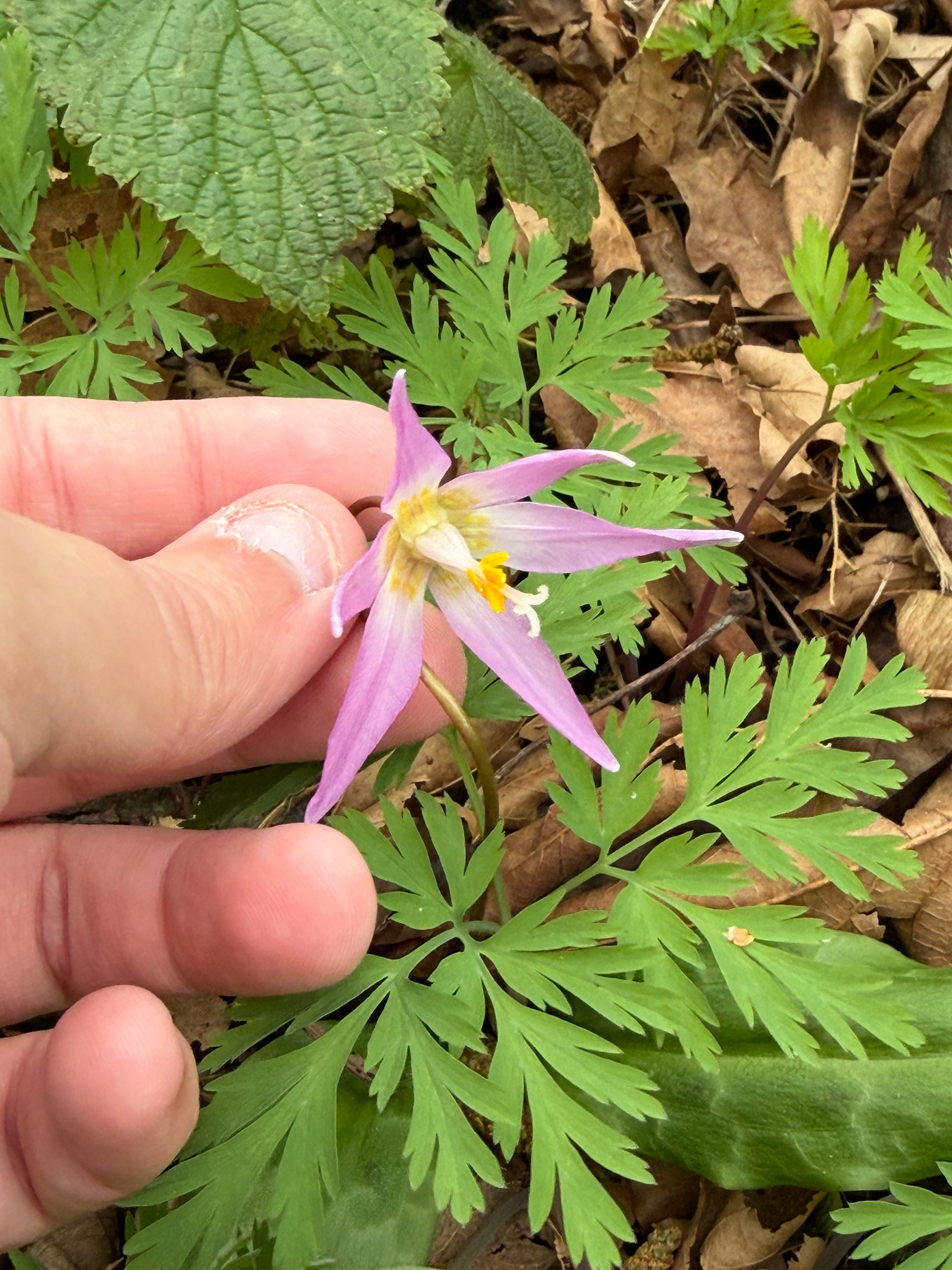
Coast Fawn Lily
Erythronium revolutum
☀️ Partial Shade 💧 Moderate

Crown Imperial
Fritillaria imperialis
☀️ Full Sun 💧 Low
Dog’s-Tooth Violet
Erythronium dens-canis
☀️ Partial Shade 💧 Moderate
Easter Lily
Lilium longiflorum
☀️ Full Sun 💧 Moderate

Formosa Lily
Lilium formosanum
☀️ Full Sun 💧 Moderate

Garden Tulip
Tulipa gesneriana
☀️ Full Sun 💧 Moderate

Japanese Lily
Lilium speciosum
☀️ Partial Shade 💧 Moderate

Madonna Lily
Lilium candidum
☀️ Full Sun 💧 Moderate

Orange Lily
Lilium bulbiferum
☀️ Full Sun 💧 Moderate

Persian Lily
Fritillaria persica
☀️ Full Sun 💧 Moderate

Regal Lily
Lilium regale
☀️ Full Sun 💧 Moderate

Snake’s Head Fritillary
Fritillaria meleagris
☀️ Partial Sun 💧 High

Tiger Lily
Lilium lancifolium
☀️ Full Sun 💧 Moderate

Trout Lily
Erythronium americanum
☀️ Partial Shade 💧 Moderate

Turk’s Cap Lily
Lilium martagon
☀️ Partial Shade 💧 Moderate

Wild Tulip
Tulipa sylvestris
☀️ Full Sun 💧 Low
Common Questions
Are all plants in the Liliaceae family toxic to cats?
All true lilies (Lilium species) cause severe kidney failure in cats, whereas tulips (Tulipa) and fritillaries (Fritillaria) primarily cause gastrointestinal irritation.
How do you identify a plant in the Liliaceae family?
Liliaceae plants feature flower parts in multiples of three, including six distinct tepals, six stamens, parallel-veined leaves, and underground storage bulbs.
Do Liliaceae bulbs need cold stratification to bloom?
Most spring-blooming Liliaceae bulbs require 10-14 weeks of chilling below 7 °C (45 °F) to break dormancy and initiate floral buds.
What soil type do Liliaceae plants prefer?
Most Liliaceae species require well-draining soil with a pH between 6.0 and 7.0 to protect dormant bulbs from rot.