Plants Native to Bangladesh
13 plant profiles · Discover 13 plants native to Bangladesh, from tropical indoor vining plants to outdoor timber trees, culinary herbs, and aquatic species.
Plants native to Bangladesh evolved in a tropical to subtropical monsoon climate characterized by high humidity, seasonal flooding, and warm temperatures ranging from 10 °C to 38 °C (50 °F to 100 °F). Annual rainfall across the region ranges between 1,500 mm and 5,000 mm (59 to 197 in), shaping species that either thrive in waterlogged alluvial soil or tolerate brief dry spells in winter.
Choosing the right Bangladeshi plant depends on your growing environment. Indoor growers can keep climbing foliage like satin pothos (Scindapsus pictus) or submerged aquarium herbs like dwarf hygrophila (Hygrophila polysperma). If you keep a home culinary garden, species like curry tree (Murraya koenigii) deliver fresh aromatic leaves year-round when kept above 15 °C (59 °F).
For outdoor gardens in frost-free zones, landscaping species range from compact flowering shrubs like jungle geranium (Ixora coccinea) to massive canopy trees like banyan (Ficus benghalensis) and flame of the forest (Butea monosperma). Most species require acid to neutral soil with high organic matter and consistent moisture during their active summer growth phase.
Arjun Tree
Terminalia arjuna
☀️ Full Sun 💧 High

Ashoka Tree
Saraca asoca
☀️ Full Sun 💧 Moderate

Ceylon Olive
Elaeocarpus serratus
☀️ Full Sun 💧 Moderate

Curry Tree
Murraya koenigii
☀️ Full Sun 💧 Moderate
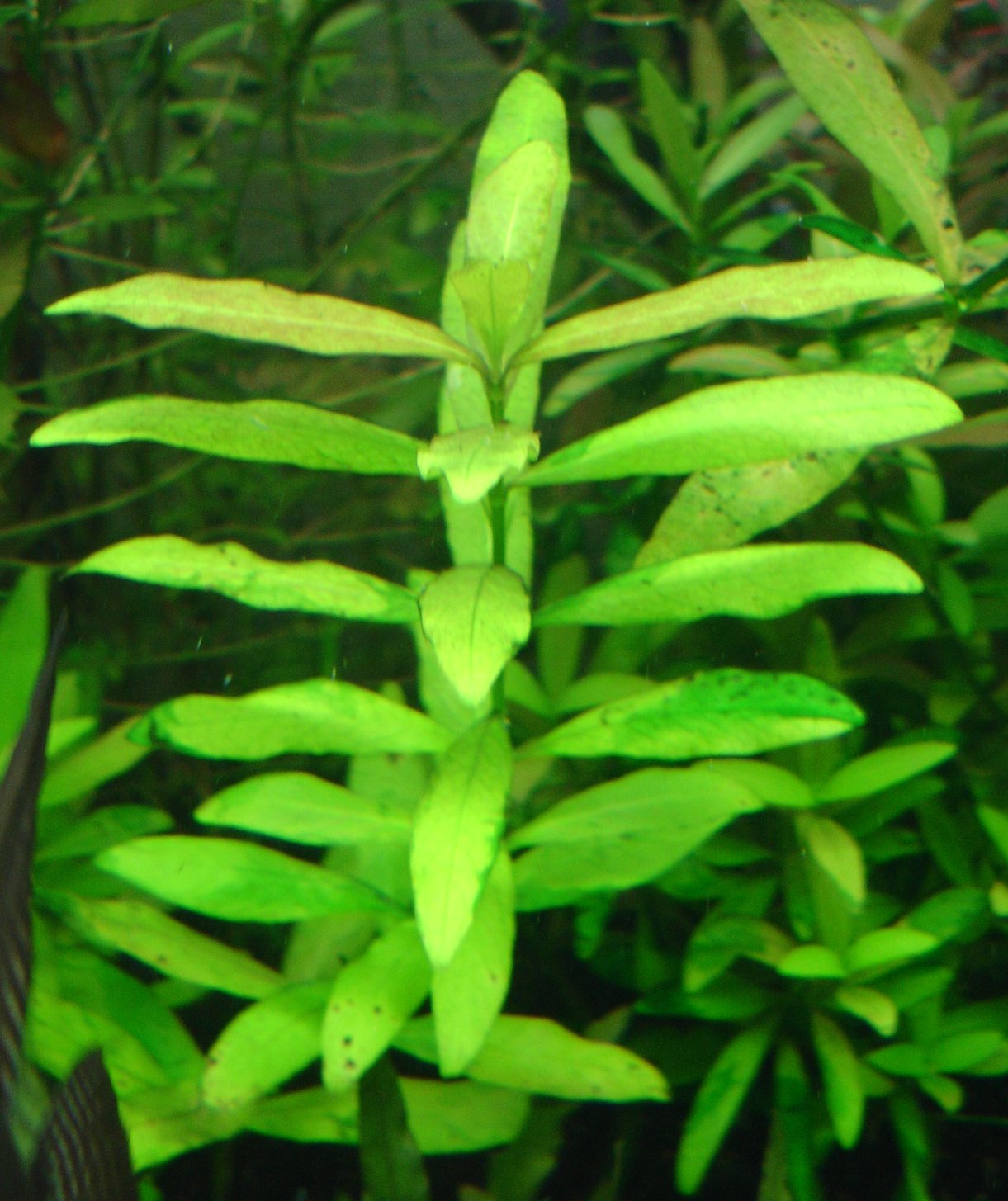
Dwarf Hygrophila
Hygrophila polysperma
☀️ Bright Indirect 💧 Aquatic

Flame of the Forest
Butea monosperma
☀️ Full Sun 💧 Low

Indian Bay Leaf
Cinnamomum tamala
☀️ Full Sun 💧 Moderate

Jungle Geranium
Ixora coccinea
☀️ Full Sun 💧 Moderate

Mahua Tree
Madhuca longifolia
☀️ Full Sun 💧 Low

Oriental Lady’s Thumb
Persicaria posumbu

Pointed Gourd
Trichosanthes dioica
☀️ Full Sun 💧 Moderate

Satin Pothos
Scindapsus pictus
☀️ Bright Indirect 💧 Moderate

Wild Date Palm
Phoenix sylvestris
☀️ Full Sun 💧 Low
Common Questions
Which Bangladeshi plants can be grown inside as houseplants?
Satin pothos and curry tree grow well inside when given bright indirect light and temperatures above 15 °C (59 °F).
How much water do plants native to Bangladesh need?
Most Bangladeshi plants require high moisture during spring and summer to mimic the heavy rainfall of the monsoon season.
Are Bangladeshi native plants cold tolerant?
No, most Bangladeshi species suffer damage when temperatures drop below 10 °C (50 °F) because they originate from tropical environments.
What soil type do Bangladeshi native plants prefer?
They thrive best in rich, organic-rich soil with a pH between 5.5 and 6.5 that retains moisture while draining excess water.