Native Plants of New Zealand
15 plant profiles · Explore plants native to New Zealand, from structural trees like cabbage tree to coastal groundcovers like kidney weed and edible New Zealand spinach.
Native plants of New Zealand evolved in geographic isolation, resulting in structural evergreen foliage, tree ferns, and coastal species suited to temperate maritime environments. Most plants from this region thrive in moist, well-draining soil and ambient temperatures between 10 and 22 °C (50 and 72 °F). Many feature tough, fibrous leaves designed to withstand ocean winds across USDA hardiness zones 8 through 11.
When choosing among New Zealand natives for a home or garden, select based on canopy cover and sun exposure. Understory species like silver fern (Alsophila dealbata) and groundcovers like kidney weed (Dichondra repens) thrive in shaded, damp microclimates. For wind-exposed beds or coastal locations, strap-leaved accent plants like New Zealand flax (Phormium tenax) and cabbage tree (Cordyline australis) handle full sun and coastal spray once established.
Woody trees and edible groundcovers fulfill distinct functional roles in landscape design. Manuka (Leptospermum scoparium) grows into a dense flowering shrub with tea tree oil properties, while pohutukawa (Metrosideros excelsa) forms a wide coastal canopy bearing crimson summer flowers. For vegetable plots, New Zealand spinach (Tetragonia tetragonioides) provides succulent greens that tolerate summer heat better than true spinach.

Cabbage Tree
Cordyline australis
☀️ Full Sun 💧 Moderate
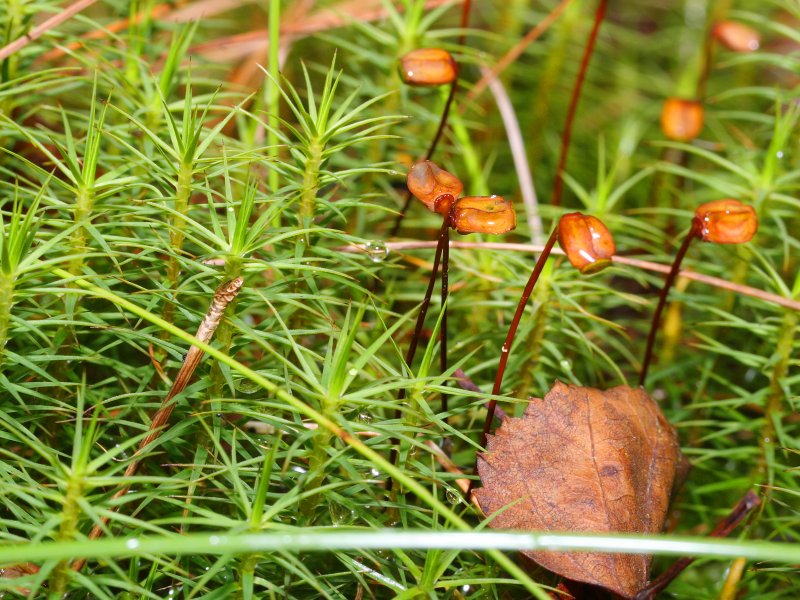
Common Haircap Moss
Polytrichum commune
☀️ Partial Shade 💧 High

Golden Tree Fern
Dicksonia fibrosa
☀️ Partial Shade 💧 High
Kauri
Agathis australis
☀️ Full Sun 💧 High

Kidney Weed
Dichondra repens
☀️ Partial Shade 💧 Moderate

Leatherleaf Fern
Rumohra adiantiformis
☀️ Bright Indirect 💧 Moderate
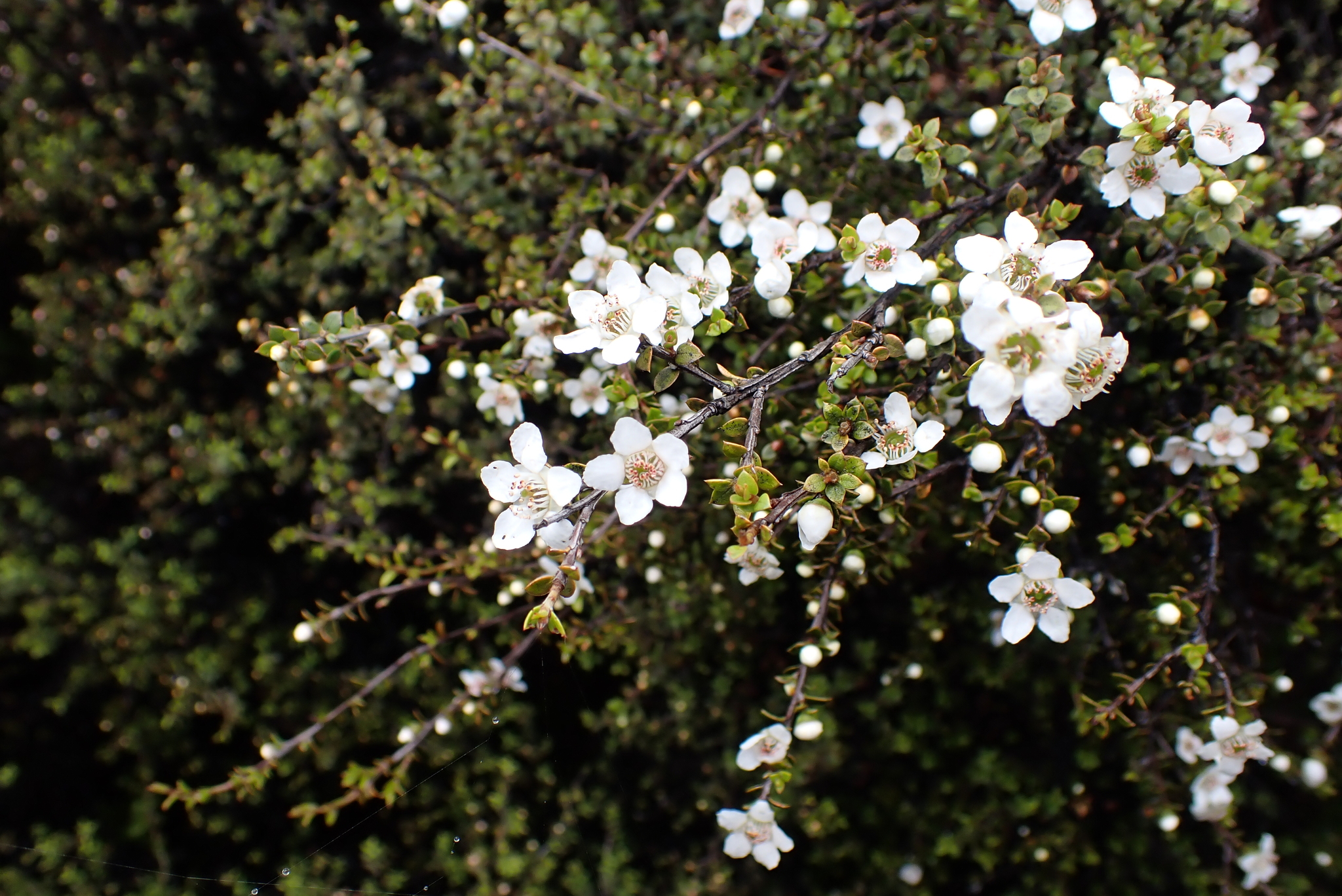
Manuka
Leptospermum scoparium
☀️ Full Sun 💧 Moderate

Mountain Cabbage Tree
Cordyline indivisa
☀️ Partial Sun 💧 High
New Zealand Flax
Phormium tenax
☀️ Full Sun 💧 Moderate
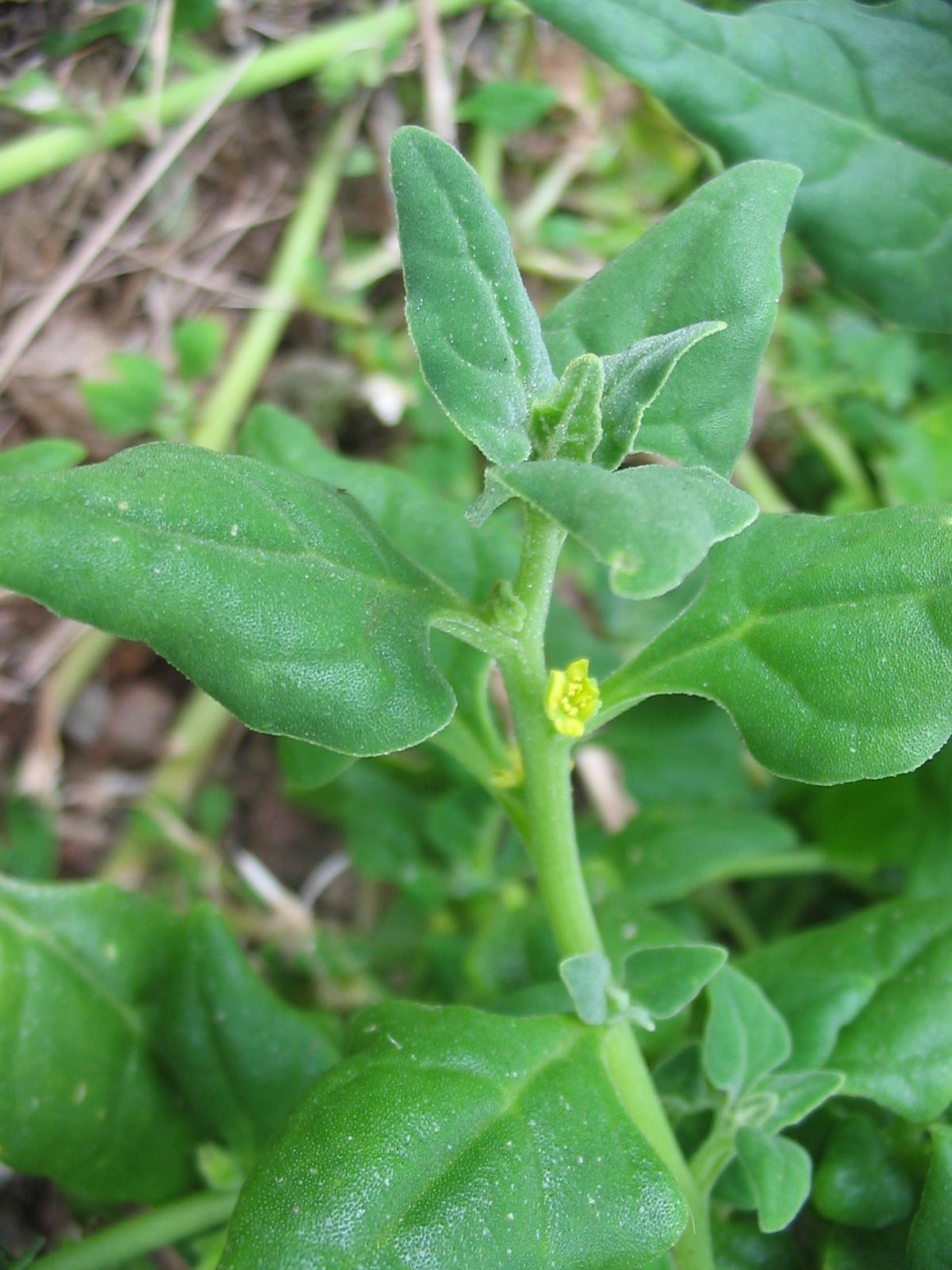
New Zealand Spinach
Tetragonia tetragonioides
☀️ Full Sun 💧 Moderate

New Zealand Wineberry
Aristotelia serrata
☀️ Full Sun 💧 Moderate

Pohutukawa
Metrosideros excelsa
☀️ Full Sun 💧 Low

Red Beech
Nothofagus fusca
☀️ Full Sun 💧 Moderate
Silver Fern
Alsophila dealbata
☀️ Partial Shade 💧 High

Tufted Hairgrass
Deschampsia cespitosa
☀️ Partial Shade 💧 High
Common Questions
What makes New Zealand native plants unique?
Roughly 80 percent of New Zealand seed plants are endemic, meaning millions of years of geographic isolation allowed them to evolve distinct forms found nowhere else naturally.
Can New Zealand native plants survive frost?
Most temperate New Zealand species tolerate light frosts down to -5 °C (23 °F), though tender coastal plants require sheltered positioning in cold climates.
Which New Zealand native plants grow well in shade?
Silver fern and kidney weed thrive in full to partial shade, provided the soil remains consistently moist and sheltered from drying winds.