Plants Native to Oceania
18 plant profiles · Discover plants native to Oceania, from giant taro to rabbit's foot fern. Learn ideal light, soil, temperature, and humidity needs for Pacific flora.
Oceania encompasses Australia, New Zealand, Melanesia, Micronesia, and Polynesia, spanning habitats from coastal shorelines to tropical rainforest understories. Most plants native to this region thrive in frost-free conditions with warm temperatures above 15 °C (59 °F) and atmospheric humidity above 50%. Tall island conifers like the Cook Pine (Araucaria columnaris) reach heights up to 60 m (200 ft) in New Caledonia, while coastal shrubs such as bantigue (Pemphis acidula) tolerate salty spray along equatorial reefs.
When choosing among Oceania species, consider your available space, light, and water access. Understory species like the ruffled fan palm (Licuala grandis) and rabbit’s foot fern (Davallia fejeensis) flourish in filtered indoor light with damp, aerated soil. If you manage a outdoor pond or bog garden, edible root crops like giant taro (Alocasia macrorrhizos), Chinese water chestnut (Eleocharis dulcis), and water yam (Dioscorea alata) require rich, submerged or mud-heavy soils with temperatures between 24–30 °C (75–86 °F).
Care routines depend on growth habit and native elevation. Showy ornamental shrubs such as the chenille plant (Acalypha hispida) require regular water and high light to maintain their pendulous catkins, whereas seasonal tubers like Polynesian arrowroot (Tacca leontopetaloides) need a dry dormancy period after summer growth. Select species that match your winter indoor minimum temperatures to avoid leaf drop.

Bantigue
Pemphis acidula
☀️ Full Sun 💧 Moderate

Blinks
Montia fontana
☀️ Full Sun 💧 High

Chenille Plant
Acalypha hispida
☀️ Bright Indirect 💧 High
Chinese Banyan
Ficus microcarpa
☀️ Bright Indirect 💧 Moderate

Chinese Water Chestnut
Eleocharis dulcis
☀️ Full Sun 💧 Aquatic
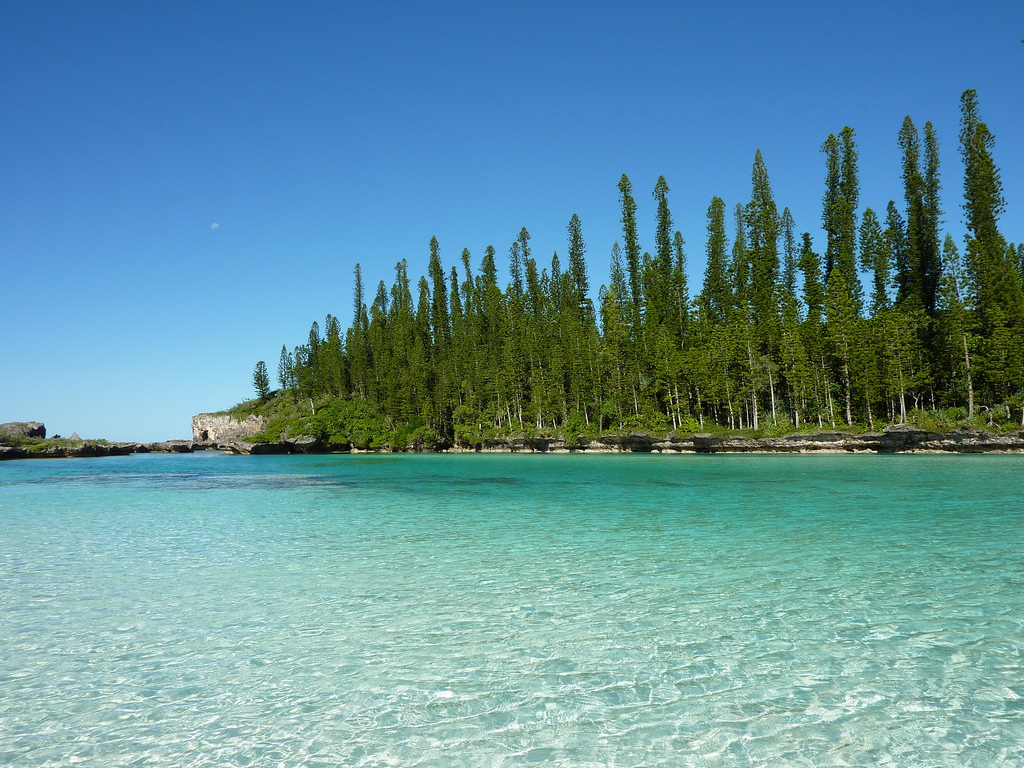
Cook Pine
Araucaria columnaris
☀️ Full Sun 💧 Moderate
Doveweed
Murdannia nudiflora
☀️ Full Sun 💧 High

Eelgrass
Vallisneria spiralis
☀️ Bright Indirect 💧 Aquatic

Giant Taro
Alocasia macrorrhizos
☀️ Bright Indirect 💧 High

Indian Nettle
Acalypha indica

Oval-Leafed Pondweed
Pontederia vaginalis
☀️ Full Sun 💧 Aquatic

Polynesian Arrowroot
Tacca leontopetaloides
☀️ Partial Shade 💧 Moderate

Rabbit’s Foot Fern
Davallia fejeensis
☀️ Bright Indirect 💧 Moderate

Ruffled Fan Palm
Licuala grandis
☀️ Partial Shade 💧 High
Sea Hibiscus
Talipariti tiliaceum
☀️ Full Sun 💧 Moderate

Snake Vine
Stephania japonica
☀️ Partial Shade 💧 Moderate
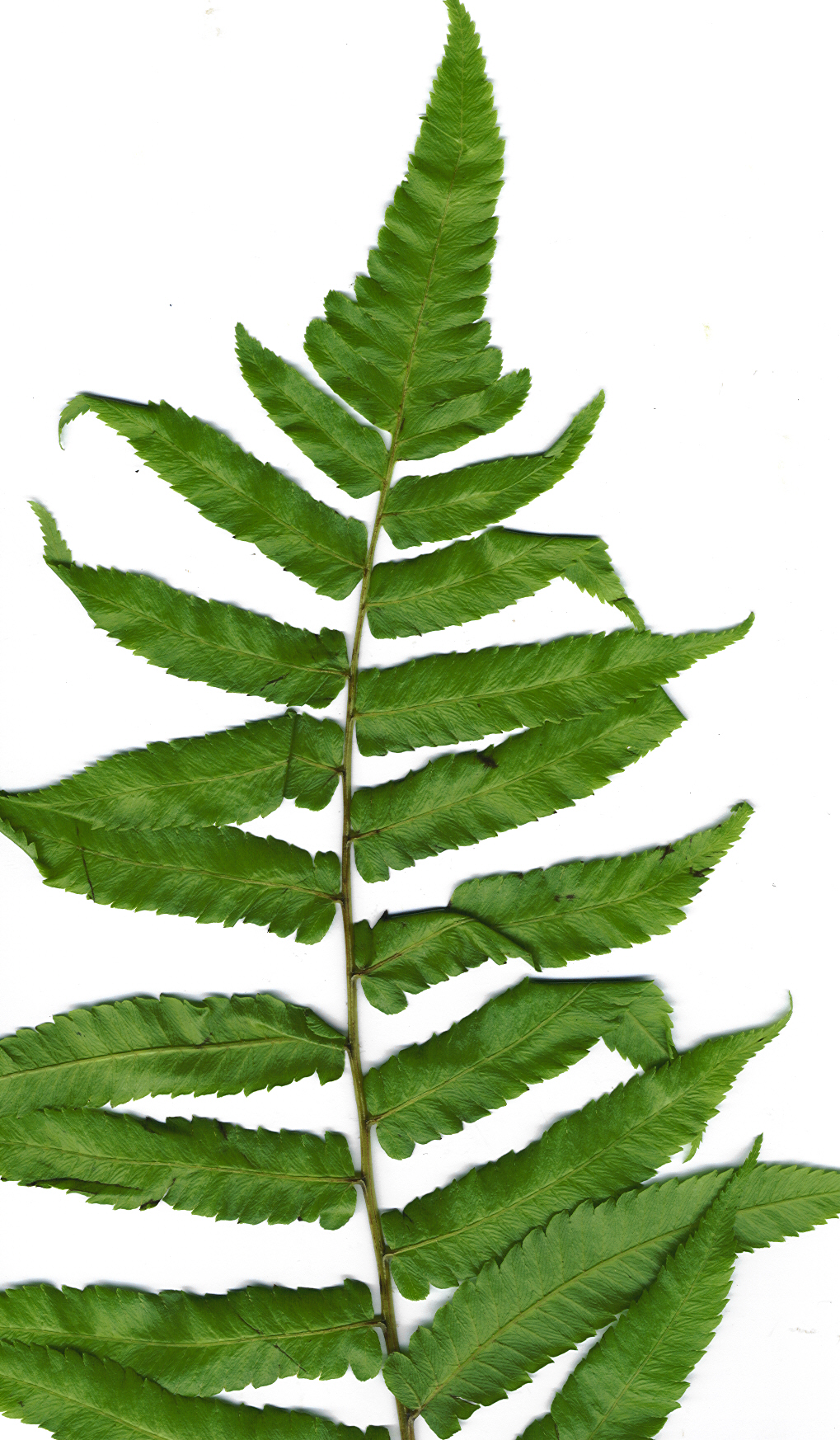
Vegetable Fern
Diplazium esculentum
☀️ Partial Shade 💧 High

Water Yam
Dioscorea alata
☀️ Full Sun 💧 Moderate
Common Questions
Can plants native to Oceania survive winter frost?
Most plants native to Oceania cannot tolerate frost and suffer severe leaf damage when temperatures drop below 10 °C (50 °F).
What soil mixture works best for Pacific tropical plants?
Pacific tropical plants thrive in a loose, rich mixture with a pH between 5.5 and 6.5.
How much light do understory ferns and palms from Oceania require?
Understory ferns and palms from Oceania require 4 to 6 hours of bright, indirect sunlight each day.
Why are the leaf tips turning brown on my island houseplants?
Brown leaf tips occur when indoor humidity falls below 50% or when soil dries out completely between waterings.