
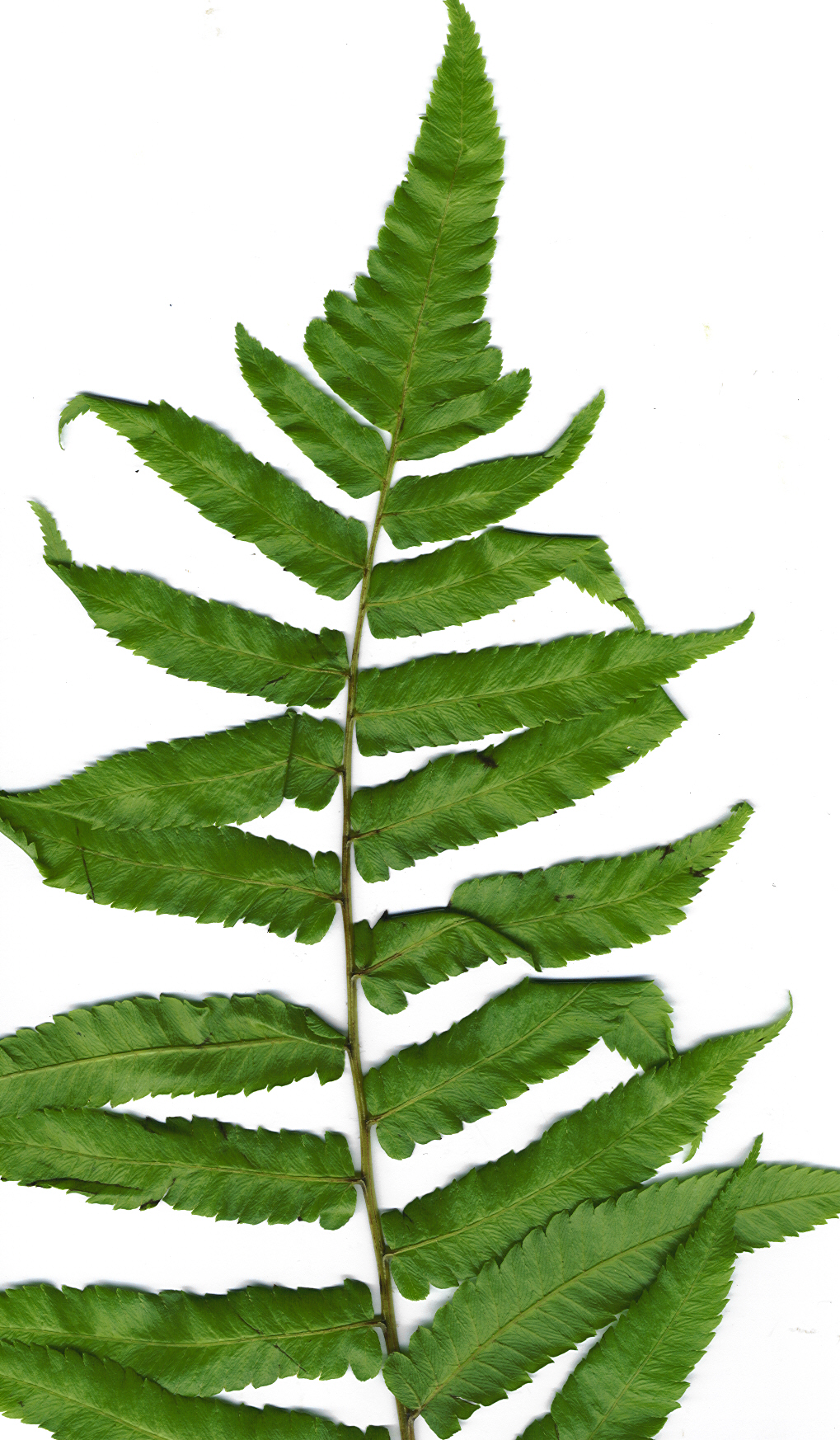
Vegetable fern (Diplazium esculentum) is a large, terrestrial fern native to tropical and subtropical regions of Asia and Oceania, widely recognized by its tender, upright fiddleheads. It belongs to the Athyriaceae family and thrives naturally along muddy stream banks, canals, and wet forest floors.
Unlike many wild ferns that accumulate dangerous levels of toxic ptaquiloside, this species yields tender young fronds harvested across the tropics, provided you give it constantly saturated soil and shelter from direct sun.
Key Facts
- Soil: Permanently wet, rich, organic mud or loam
- Light: Partial shade to filtered morning sun
- Harvest: Young coiled fiddleheads under 20 cm (8 in)
- Water: Constantly moist to saturated; never dry out
- Spacing: 60–90 cm (24–36 in) between crowns
- Safety: Never consume raw; boil or blanch before eating
Is Vegetable Fern Right for Your Garden?
Vegetable fern suits growers with waterlogged margins, tropical bog gardens, or sheltered wetland borders where standard crops drown. This plant will not thrive in ordinary dry garden soil or arid microclimates.
It provides an ongoing harvest of crisp, tender fiddleheads in regions that remain frost-free throughout the year. If your outdoor temperatures routinely dip below 10 °C (50 °F), the foliage dies back, and winter frosts kill the surface crown outright unless protected in a heated greenhouse.
How to Identify Vegetable Fern
Mature Diplazium esculentum grows as an erect, tufted fern with an upright, quasi-woody rootstock measuring up to 50 cm (20 in) in height. It does not produce flowers, propagating instead through microscopic spores on the undersides of mature fronds.
The fronds are bipinnate to tripinnate, extending 80–150 cm (31–59 in) long on smooth green stipes that turn dark brown near the base. The emerging croziers (fiddleheads) are fleshy, pale green, slightly grooved along the stem, and sparsely covered in small dark brown scales. Sori appear in double rows along the veinlets of the pinnules, covered by elongated indusia characteristic of the Athyriaceae family.
Soil and Light Requirements for Diplazium esculentum
Provide Diplazium esculentum with partial shade and constantly waterlogged, humus-rich soil. Direct midday sunlight scorches the delicate pinnules, causing leaf margins to brown and curl within hours.
Aim for the following environmental baselines:
- Light level: 2 to 4 hours of dappled morning light or consistent high canopy shade
- Soil moisture: Wet mud, marshy soil, or shallow water margins up to 3 cm (1.2 in) deep
- Soil reaction: A pH between 5.5 and 6.8 with abundant leaf mold or composted manure
- Temperature: Constant warm air between 22–32 °C (72–90 °F) for vigorous leaf generation
Sowing Spores and Planting Rhizomes
Propagate vegetable fern primarily by rhizome division or runner offsets, which establish far faster than spore cultivation. Divide healthy crowns during early spring or the onset of the wet monsoon season.
To plant vegetative divisions and offsets:
- Separate a healthy runner section possessing at least two active growth buds and fibrous roots.
- Set the rhizome horizontally into wet muck, burying it no deeper than 3–5 cm (1.2–2.0 in).
- Space individual plants 60–90 cm (24–36 in) apart to give mature fronds adequate clearance.
- Maintain steady standing moisture around the root zone until new croziers emerge within 3 to 4 weeks.
If sowing gathered spores, dust them onto sterile, wet peat moss held at 25 °C (77 °F) beneath a clear plastic cover. Prothalli develop in 6 to 10 weeks, but plants grown from spores take up to 18 months to reach harvesting size.
Watering and Ongoing Maintenance
Keep the root zone continually saturated at all times, as vegetable fern possesses virtually zero tolerance for soil dehydration. A single drying event causes fronds to collapse and stunts future crozier emergence.
Apply a 5 cm (2 in) layer of organic leaf mold around the plant bases every six months to replenish nutrients and protect the surface rhizomes. Feed every 4 to 6 weeks during the peak growing months with a diluted organic fish emulsion or well-rotted compost tea. Clear out yellowing, broken, or older barren fronds down to the base to improve air movement and encourage fresh fiddlehead growth.
How and When to Harvest Vegetable Fern Fiddleheads
Harvest young croziers when they reach 15–20 cm (6–8 in) in length and the tip remains tightly curled. Once the frond unrolls or begins branching, the stem turns fibrous, bitter, and unpalatable.
Snap the tender stalk by hand 10–15 cm (4–6 in) below the coiled tip; it should break cleanly with an audible snap. Leave at least 4 to 6 mature, fully open fronds on each crown at all times to maintain photosynthetic energy for continuous regrowth. Harvest weekly throughout the warm rainy season, gathering up to 10–15 fiddleheads per mature clump each month.
Culinary Uses and Cooking Safety
Always cook vegetable fern before eating by boiling or blanching the stalks for at least 5 to 10 minutes. Raw consumption is unsafe because wild ferns contain thiaminase enzymes and trace anti-nutrients that break down under heat.
Popular culinary preparation methods include:
- Blanched salad: Plunge cooked fiddleheads into iced water, then toss with calamansi juice, shallots, and salted egg.
- Stir-fry: Sauté boiled tips with garlic, shrimp paste, and bird’s eye chilies.
- Curries and soups: Simmer tender pieces in coconut milk alongside lemongrass and fresh ginger.
The cooked texture resembles asparagus crossed with crisp okra, offering an earthy, grassy flavor with a pleasant vegetal crunch.
Common Growing Problems and Pests
Watch for snails and slugs, which feed aggressively on the tender croziers as soon as they break the soil surface. Handpick pests at dusk or deploy beer traps around the perimeter of the fern bed.
Foliar leaf spot fungi can take hold if air circulation stagnates under heavy shade in humid conditions. Space crowns broadly and trim old fronds promptly. In dry indoor or greenhouse air, spider mites and scale insects attack the frond undersides; treat outbreaks with insecticidal soap sprays while raising relative humidity above 70%.
How to Clean and Store Fresh Fiddleheads
Store unwashed fiddleheads in the refrigerator for no more than 3 to 4 days wrapped loosely in a damp paper towel. Rapid moisture loss causes the cut ends to brown and turn tough within 24 hours.
Before cooking, rinse the coils thoroughly under cold running water to wash away loose brown scales, silt, and grit. Trim off any discolored stem bases. To preserve a large harvest, blanch the cleaned fiddleheads in boiling salted water for 2 minutes, plunge them into an ice bath, drain completely, and freeze them in airtight freezer bags for up to 6 months.
Year-Round Care for Vegetable Fern
| Spring | Divide overgrown root crowns and replant offsets into fresh, compost-amended marsh soil. Apply a rich top-dressing of leaf mold and begin regular bi-weekly watering. |
|---|---|
| Summer | Harvest emerging croziers weekly when they reach 15–20 cm (6–8 in). Ensure soil remains submerged or muddy, and shade crowns from harsh midday sun. |
| Autumn | Cut back spent, yellowing fronds to soil level to keep air flowing around the crown. Reduce liquid fertilizer feeds as growth naturally slows down. |
| Winter | Mulch root crowns heavily if grown in borderline zone 10 areas to prevent cold shock. Move container plants into a warm greenhouse held above 15 °C (59 °F). |
Vegetable Fern Growing Problems and Fixes
| What you see | Likely cause | What to do |
|---|---|---|
| Frond tips dry, brown, and turn crispy | Air humidity is too low or direct sun is scorching foliage | Move to dense dappled shade and mist surrounding soil to elevate humidity. |
| Croziers emerge thin, stringy, and bitter | Nutrient deficiency or overharvesting of the crown | Stop harvesting for 4 weeks and top-dress the base with well-rotted manure. |
| Emerged stems chewed off near soil level | Slug or snail activity | Set out nocturnal traps and handpick pests from wet mud around the stems. |
| Entire plant wilts and turns black | Freezing temperatures below 0 °C (32 °F) | Grow strictly in frost-free microclimates or relocate container pots indoors. |
Frequently Asked Questions
What are the health benefits of vegetable fern?
Vegetable fern fiddleheads are low in calories and supply dietary fiber, iron, calcium, vitamin C, and beta-carotene. In traditional Asian practices, decoctions of the fronds were historically consumed to ease mild fever and digestive complaints.
Can you eat vegetable fern raw?
No, you should never consume vegetable fern raw. Cooking breaks down anti-nutritional enzymes, like thiaminase, and eliminates potential surface pathogens found in wet, muddy environments.
Does vegetable fern produce flowers?
No, vegetable fern is a true fern in the family Athyriaceae and produces no flowers or seeds. It reproduces entirely via spores carried in elongated linear clusters beneath mature leaves, as well as vegetative runners.
Is vegetable fern safe to eat during pregnancy?
Pregnant individuals should exercise caution and only consume vegetable fern that has been thoroughly cooked and cleaned. Raw or undercooked fiddleheads carry risks of foodborne illness and contain digestive irritants.
How does vegetable fern differ from bracken fern?
Vegetable fern has smooth stipes and grows in wet ditches, whereas bracken fern (Pteridium aquilinum) grows on dry hillsides and contains substantially higher concentrations of carcinogenic ptaquiloside.
Information about traditional or historical uses is provided for educational interest only and is not medical advice. Do not use any plant to treat a condition without speaking to a qualified professional.
Sources & Verification
Taxonomy and distribution are checked against the databases below. Care guidance is written for cultivated species only and reviewed by our editor. How We Build Plant Profiles →