Plants Native to Southwest Asia
20 plant profiles · Discover the diverse flora of Southwest Asia, from culinary herbs like Anise to structural shrubs like Common Box and fruit-bearing Quince.
Southwest Asia spans from the Mediterranean coast to the Iranian plateau, offering a climate that ranges from arid deserts to temperate mountains. This region is the birthplace of many staple crops and ornamental garden staples that thrive in well-draining soil and plenty of sun. You likely already grow many of these without realizing their origin, as they have been traded along the Silk Road for millennia.
Selecting the right species depends on your garden's moisture levels and temperature. For damp spots or pond edges, water mint (Mentha aquatica) provides aromatic groundcover, while the medlar (Mespilus germanica) requires a permanent spot in the orchard to produce its late-autumn fruit. If you have dry, rocky slopes, red valerian (Centranthus ruber) or the nitrogen-fixing Spanish broom (Spartium junceum) are better suited to those lean conditions.
Edible landscapes often feature plants from this region, such as the shallot (Allium ascalonicum) and the protein-rich lentil (Vicia lens). For structural interest, common box (Buxus sempervirens) offers year-round greenery that tolerates heavy pruning, whereas the Persian silk tree (Albizia julibrissin) provides a feathery, deciduous canopy. Most of these plants require a period of winter chill to set fruit or flowers effectively, reflecting the seasonal shifts of their native habitats.

Animated Oat
Avena sterilis
Anise
Pimpinella anisum
☀️ Full Sun 💧 Moderate
Atlantic Pistachio
Pistacia atlantica
☀️ Full Sun 💧 Low

Bloody Dock
Rumex sanguineus
☀️ Partial Sun 💧 Moderate

Common Box
Buxus sempervirens
☀️ Partial Sun 💧 Moderate
Danewort
Sambucus ebulus
☀️ Full Sun 💧 Moderate

European Holly
Ilex aquifolium
☀️ Partial Shade 💧 Moderate
Fern Leaf Yarrow
Achillea filipendulina
☀️ Full Sun 💧 Low

French Sorrel
Rumex scutatus
☀️ Full Sun 💧 Moderate
Garden Cress
Lepidium sativum
☀️ Partial Sun 💧 High

Lentil
Vicia lens
☀️ Full Sun 💧 Low

Love-In-A-Mist
Nigella damascena
☀️ Full Sun 💧 Low
Medlar
Mespilus germanica
☀️ Full Sun 💧 Moderate

Oriental Leopard’s-Bane
Doronicum orientale
☀️ Partial Shade 💧 Moderate

Persian Silk Tree
Albizia julibrissin
☀️ Full Sun 💧 Moderate

Quince
Cydonia oblonga
☀️ Full Sun 💧 Moderate
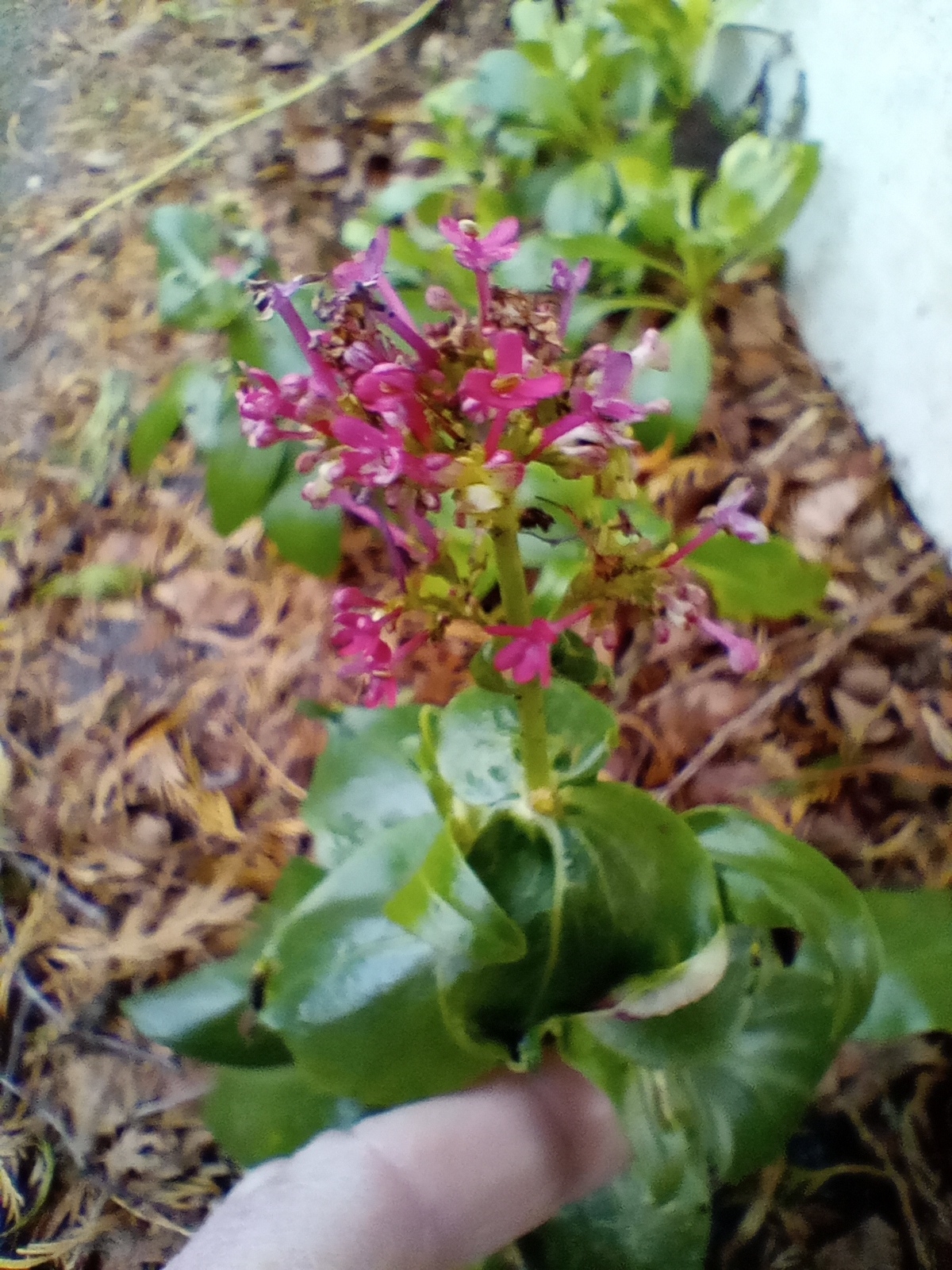
Red Valerian
Centranthus ruber
☀️ Full Sun 💧 Low

Shallot
Allium ascalonicum
☀️ Full Sun 💧 Moderate

Spanish Broom
Spartium junceum
☀️ Full Sun 💧 Low
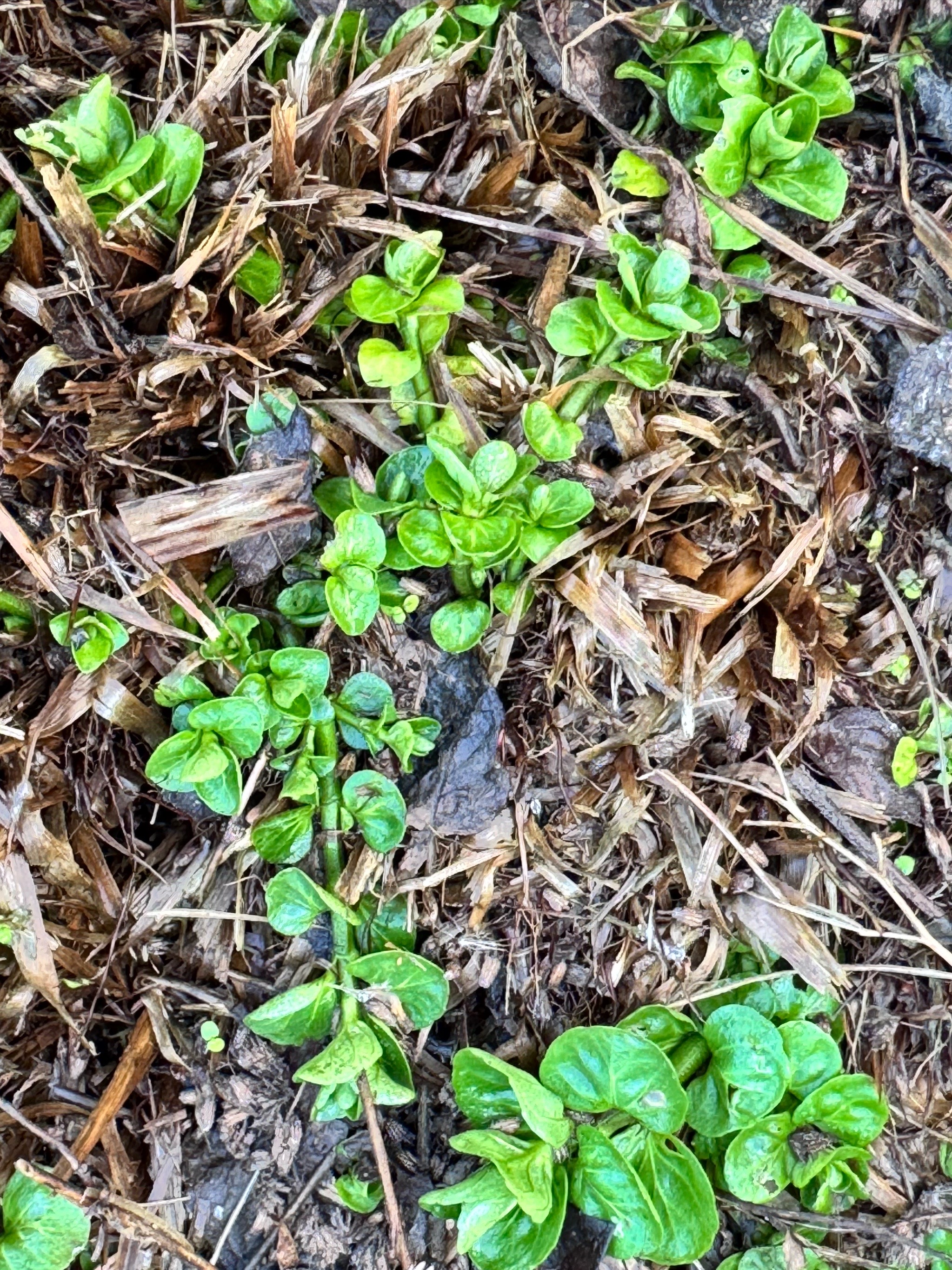
Water Mint
Mentha aquatica
☀️ Full Sun 💧 High
Common Questions
What climate do Southwest Asian plants prefer?
Most species from this region thrive in Mediterranean-style climates characterized by hot, dry summers and cool, wet winters. They generally require well-draining soil with a pH between 6.0 and 7.5 to prevent root rot.
Are these plants frost hardy?
Hardiness varies, but many like the European holly (Ilex aquifolium) survive temperatures down to -15 °C (5 °F). Others, like the Persian silk tree, may suffer dieback if temperatures drop below -12 °C (10 °F) for extended periods.
Which Southwest Asian plants are best for pollinators?
Choose anise (Pimpinella anisum) or love-in-a-mist (Nigella damascena) to attract beneficial insects. Their complex flowers provide accessible nectar for hoverflies and bees throughout the summer months.