Plants Native to Southwestern Asia
13 plant profiles · Discover species native to Southwestern Asia, from fruiting vines to ornamental trees, with climate traits and growth tips for garden selection.
Plants originating in Southwestern Asia evolved across diverse ecosystems ranging from dry Anatolian plateaus and Mediterranean coastal scrub to humid Caspian forests. This geographical crossroads produced species adapted to hot, dry summers and cool, wet winters, often thriving in well-drained soil with full sun exposure. Many globally important crops and ornamentals trace their ancestry to this region, where early agriculture took root thousands of years ago.
Choose species based on your garden's moisture levels and available space. For edible gardens, culinary staples like grape (Vitis vinifera), coriander (Coriandrum sativum), almond (Prunus amygdalus), and lovage (Levisticum officinale) require deep soil and at least 6 hours of direct sunlight daily to yield crops. If seeking ornamental focal points, the deciduous Persian silk tree (Albizia julibrissin) provides a broad shade canopy, while Persian buttercup (Ranunculus asiaticus) offers spring blooms from tuberous roots.
Hedging and border selections require distinct management strategies. Evergreen choices such as cherry laurel (Prunus laurocerasus) create dense privacy screens down to USDA zone 6, whereas herbal species like valerian (Valeriana officinalis) prefer consistently damp ground along border edges. Match winter hardiness zones and winter moisture tolerance carefully, as dormant tubers and roots from dry interior basins rot easily in waterlogged winter soils.

Almond
Prunus amygdalus
☀️ Full Sun 💧 Moderate

Carrot
Daucus carota
☀️ Full Sun 💧 Moderate
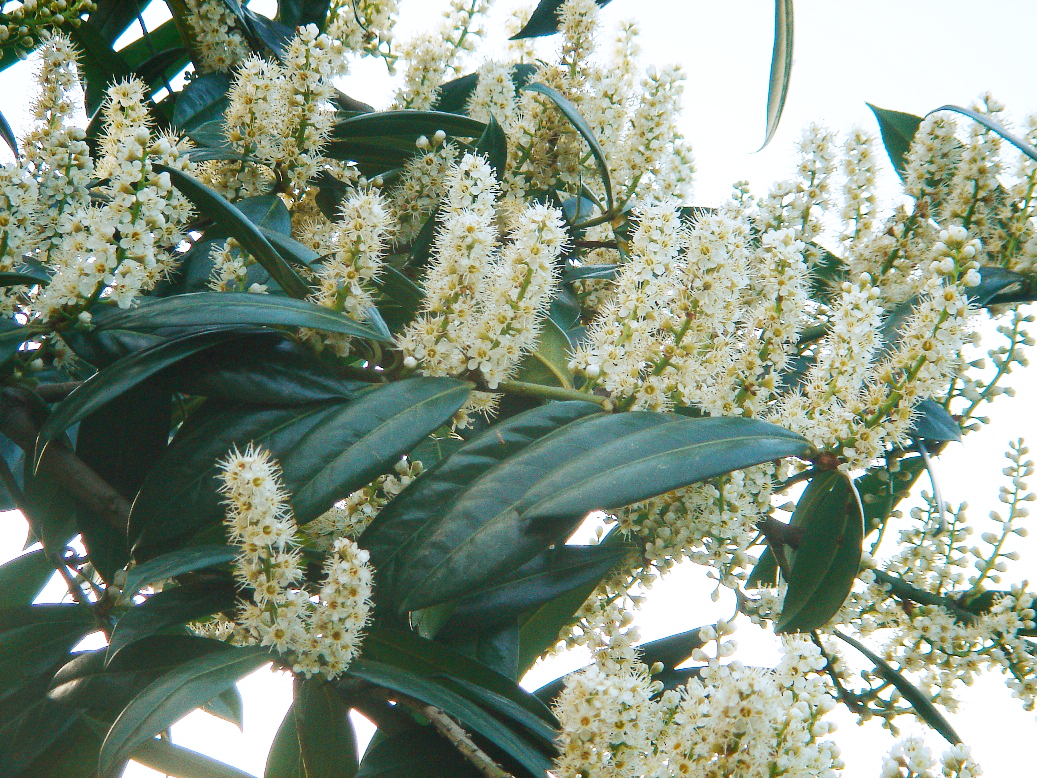
Cherry Laurel
Prunus laurocerasus
☀️ Partial Sun 💧 Moderate
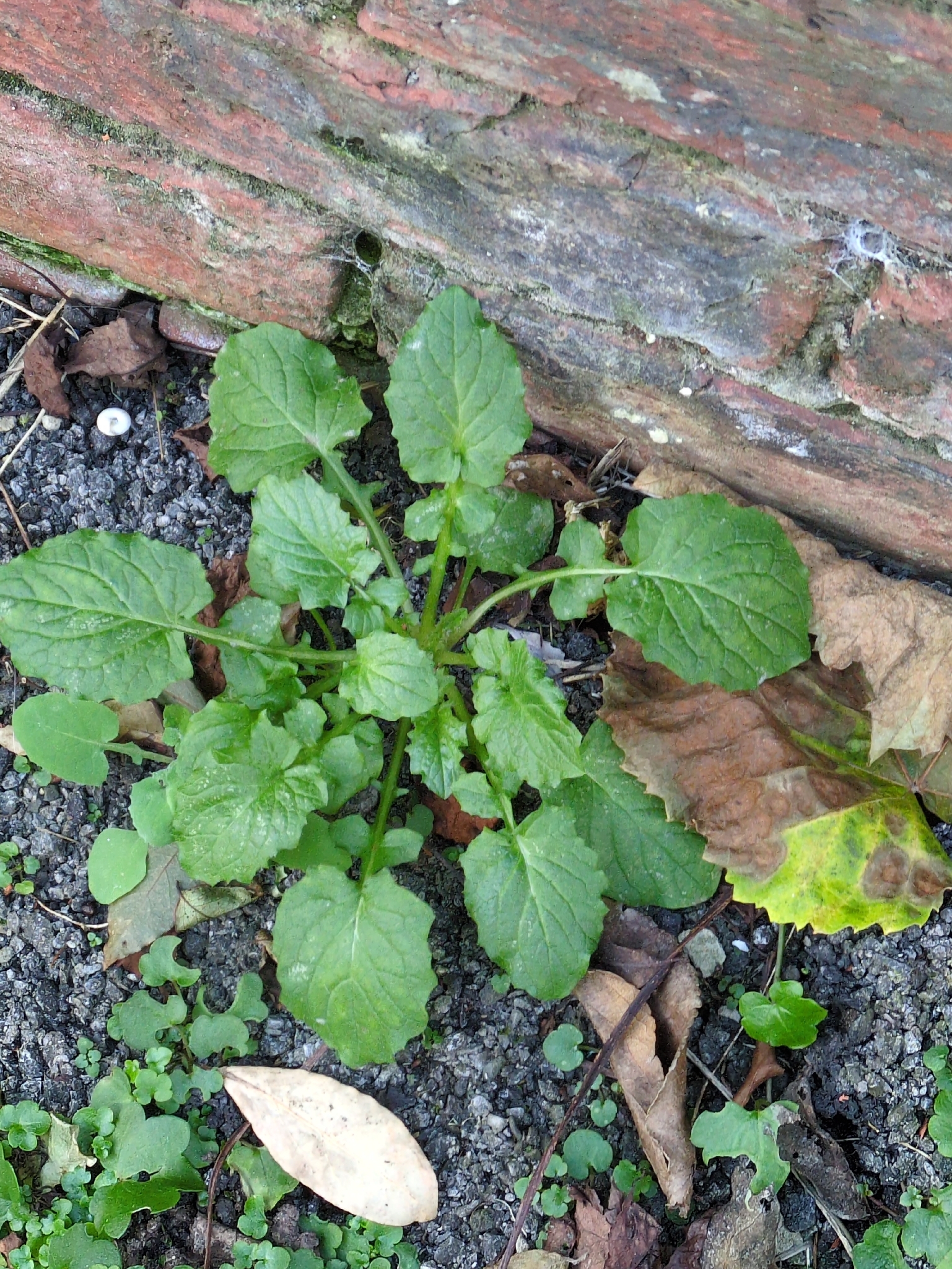
Common Nipplewort
Lapsana communis

Coriander
Coriandrum sativum
☀️ Full Sun 💧 Moderate

Crimson Fountain Grass
Cenchrus setaceus
☀️ Full Sun 💧 Low

Giant Onion
Allium giganteum
☀️ Full Sun 💧 Moderate
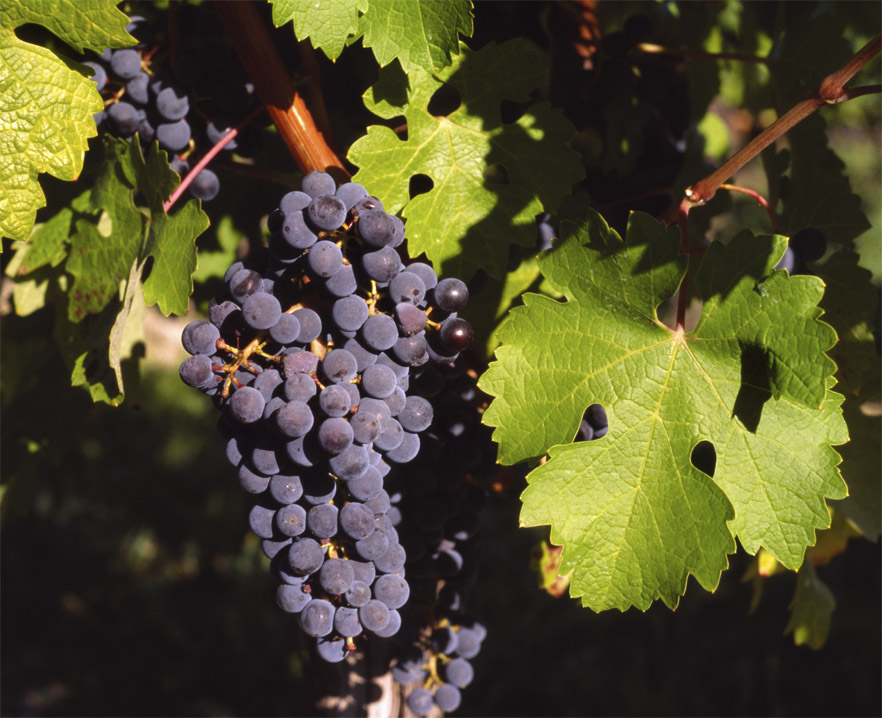
Grape
Vitis vinifera
☀️ Full Sun 💧 Moderate

Honesty
Lunaria annua
☀️ Partial Shade 💧 Moderate

Lovage
Levisticum officinale
☀️ Full Sun 💧 Moderate

Persian Buttercup
Ranunculus asiaticus
☀️ Full Sun 💧 Moderate

Valerian
Valeriana officinalis
☀️ Full Sun 💧 High

Wild Privet
Ligustrum vulgare
☀️ Full Sun 💧 Moderate
Common Questions
What climate conditions do Southwestern Asian plants require?
Most plants from Southwestern Asia thrive in hot, dry summers and mild, wet winters with full sunlight and well-draining soil. Species from interior plateaus tolerate winter frosts down to -15 °C (5 °F), while coastal species prefer frost-free conditions.
Which edible plants originate from Southwestern Asia?
Grape (Vitis vinifera), almond (Prunus amygdalus), coriander (Coriandrum sativum), and carrot (Daucus carota) all originated in Southwestern Asia. These crops were domesticated early in agricultural history and spread globally due to their adaptability.
How do you protect Southwestern Asian tubers during winter?
Lift tubers like Persian buttercup (Ranunculus asiaticus) before autumn frosts if soil remains wet, storing them in dry peat at 5–10 °C (41–50 °F). In well-drained soils within hardiness zones 8 to 11, apply a 10 cm (4 in) layer of dry mulch instead.
Are Southwestern Asian shrubs suitable for hedges?
Cherry laurel (Prunus laurocerasus) and wild privet (Ligustrum vulgare) are effective hedging shrubs native to Southwestern Asia. Both tolerate heavy pruning and grow quickly to form dense windbreaks or privacy screens.