
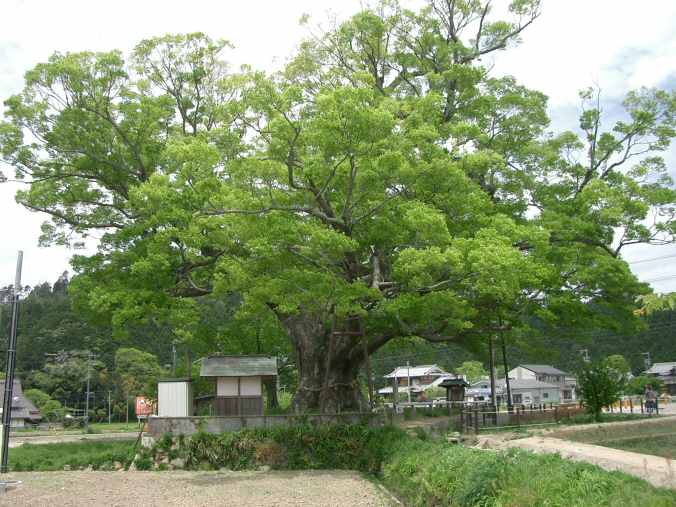
Japanese zelkova (Zelkova serrata) is a deciduous hardwood tree originating from Japan, Korea, eastern China, and Taiwan. It belongs to the elm family Ulmaceae but remains completely immune to Dutch elm disease, making it a reliable street and landscape shade tree.
You can expect a mature height of up to 30 m (98 ft) with a broad, vase-shaped crown that demands plenty of clearance from power lines and structures. Adequate structural pruning in the first five years determines whether the canopy develops strong, balanced scaffold branches.
Key Facts
- Type: Deciduous shade tree
- Light: Full sun
- Hardiness: USDA Zones 5-9
- Growth Rate: Moderate to fast
- Bark: Smooth grey, exfoliating with age
Is Japanese Zelkova Right for Your Garden
You should plant a Japanese zelkova if you need a large, fast-growing shade tree that resists urban pollution and handles compacted soils better than many native maples. This tree fits wide lawns, parks, and large commercial landscapes where its expansive canopy can develop without restriction.
You must avoid planting this species near foundations, sidewalks, or underground pipes because the mature root system spreads widely and surface roots can occasionally lift paving stones. Property owners must also commit to regular structural pruning when the tree is young to prevent weak branch attachment later in life.
How to Identify Japanese Zelkova Leaves and Bark
You can recognize a Japanese zelkova by its distinctive ovate leaves measuring 3-12 cm (1-5 in) long, featuring sharply serrated margins and asymmetric bases. The upper leaf surface is dark green and slightly rough, turning a bright yellow, orange, or deep red in autumn.
- Bark: Smooth and grey when young, exfoliating on older trunks to reveal orange-brown inner patches.
- Flowers: Small, inconspicuous green flowers appearing in spring alongside new leaves, separate male and female on the same tree.
- Fruit: Small, dry, sessile nutlets lacking wings, maturing by mid-autumn.
- Habit: Short trunk dividing close to the ground into numerous upright, arching branches that form a broad vase shape.
What Size Does Japanese Zelkova Reach at Maturity
A mature Japanese zelkova typically reaches a height of 15 to 30 m (50 to 98 ft) with an equal or greater spread in open conditions. Young trees put on 60 cm (2 ft) or more of vertical growth per year under optimal moisture and nutrient levels.
Urban specimens often mature on the smaller side of this range due to restricted root space and soil compaction. Bonsai practitioners keep this species miniature through root pruning and shoot pinching, proving its high tolerance for heavy branch cutting.
Best Site Conditions for Growing Japanese Zelkova
You must plant your Japanese zelkova in a location that receives full sun for at least six hours daily to encourage strong branch development and vibrant autumn colour. Partial shade is tolerated by younger specimens, but heavy shade results in a weak, sparse canopy.
- Soil: Prefers deep, fertile, loamy soils with good drainage but adapts readily to clay and sandy loam.
- Moisture: Requires regular watering during the first two growing seasons, becoming moderately drought tolerant once established.
- Wind: Tolerates urban wind corridors and coastal breezes better than standard elms.
How to Plant Japanese Zelkova
You should plant container-grown or balled-and-burlapped Japanese zelkova trees in early spring or autumn to give roots time to establish before extreme temperatures arrive. Dig a hole twice as wide as the root ball and keep the root flare level with or slightly above the surrounding soil grade.
- Dig a shallow, broad planting hole measuring 2 to 3 times the diameter of the root mass.
- Set the tree so the topmost structural root sits level with the soil surface.
- Backfill with native soil, firming gently to remove large air pockets without compacting heavily.
- Apply a 7 cm (3 in) layer of wood mulch in a 1 m (3 ft) radius around the trunk, keeping mulch 10 cm (4 in) away from the bark.
Ongoing Care and Watering Schedule
You need to provide 25 mm (1 in) of water per week either through rainfall or deep irrigation for newly planted trees during their first two years. Established trees only require supplemental watering during extended summer droughts lasting longer than four weeks.
Fertilizing is rarely necessary unless your soil test reveals a severe nutrient deficiency, in which case a balanced slow-release tree fertilizer applied in early spring suffices. Avoid high-nitrogen fertilizers late in the growing season, which stimulate tender late-growth susceptible to autumn frost damage.
How to Prune Japanese Zelkova
You must prune your Japanese zelkova in late winter before spring bud break to establish a single dominant leader and strong scaffold branches. Remove crossing branches, dead wood, and narrow branch angles that risk splitting under heavy snow loads.
- Train young trees by removing lower branches gradually over the first 5 years to clear head height for pathways.
- Never top a Japanese zelkova, as this ruins the natural vase shape and invites decay into the main stems.
- Sanitize pruning shears with isopropyl alcohol between cuts if removing diseased or dead twigs.
Common Problems and Pests
Japanese zelkova trees resist most serious insect pests and diseases, though you may occasionally encounter aphids or chewing beetles causing minor cosmetic leaf damage. Leaf spot can occur during unusually wet springs, but rarely threatens the long-term health of an established tree.
- Symptom: Sticky honeydew and curled leaves on branch tips. Cause: Aphid infestation. Fix: Spray foliage with a strong jet of water or apply horticultural soap.
- Symptom: Premature leaf drop and dieback. Cause: Root rot from poorly drained soil. Fix: Improve surrounding soil drainage and reduce supplemental irrigation.
- Symptom: Split branch junctions after windstorms. Cause: Included bark in tight crotches. Fix: Prune out competing co-dominant stems while the tree is young.
Winter Care for Japanese Zelkova
You do not need to provide winter protection for established Japanese zelkova trees growing within USDA Zones 5 through 9. Young trees under three years old benefit from a fresh application of organic mulch over the root zone to protect shallow feeder roots from severe freeze-thaw cycles.
Inspect the smooth grey bark of young specimens for sunscald or rodent damage during mid-winter. Wrap vulnerable trunks with commercial tree wrap if local deer or rabbits chew the bark during freezing months.
Uses for Japanese Zelkova Wood and Landscape
You can utilize Japanese zelkova timber, known as keyaki in Japan, for high-end furniture, temple construction, and traditional Japanese joinery due to its hardness and striking grain pattern. In the landscape, it serves as a premier shade tree for large parks, campuses, and wide street corridors.
The species also ranks among the most traditional subjects for temperate bonsai cultivation. Gardeners train it into miniature specimens that replicate the graceful vase shape of full-sized forest trees.
Japanese Zelkova Year-Round Maintenance Calendar
| Spring | Inspect the canopy as leaves emerge for aphid activity. Apply a layer of organic mulch around the root zone if the mulch layer has thinned below 5 cm (2 in). |
|---|---|
| Summer | Provide deep weekly watering if natural rainfall totals less than 25 mm (1 in). Monitor young trees for drought stress during July and August heatwaves. |
| Autumn | Rake and dispose of fallen leaves if leaf spot was present during the growing season. Plant new container-grown trees while the soil remains warm. |
| Winter | Perform structural pruning while the tree is completely dormant and the branch architecture is clearly visible. Check young trunks for rodent or deer damage. |
Diagnosing Japanese Zelkova Tree Problems
| What you see | Likely cause | What to do |
|---|---|---|
| Yellowing leaves and slow growth in summer | Soil compaction or drought stress | Aerate the soil around the drip line and provide a deep soaking irrigation. |
| Holes chewed in leaves during June | Japanese beetles or leaf chewers | Hand-pick beetles in the early morning or apply a targeted organic pesticide if damage is severe. |
| Branch dieback in the upper canopy | Root damage from construction or paving | Remove dead wood back to healthy tissue and avoid further soil disturbance near roots. |
Popular Japanese Zelkova Cultivars Compared
- ‘Green Vase’ – upright, narrow vase shape with fast growth rate
- ‘Village Green’ – dense branching, upright oval form, dark green leaves
- ‘Musashino’ – extremely narrow, columnar growth habit for tight spaces
- ‘Variegata’ – leaves edged with white margins, slower growth rate
Frequently Asked Questions
Is Japanese zelkova an elm?
Yes, Japanese zelkova belongs to the elm family (Ulmaceae), though it is not a true elm (genus Ulmus). Unlike true elms, Japanese zelkova is entirely immune to Dutch elm disease.
What is the difference between Japanese zelkova and Chinese elm?
Japanese zelkova (Zelkova serrata) features smooth grey bark that exfoliates into orange patches on older trunks, whereas the Chinese elm (Ulmus parvifolia) has distinctive flaky, mottled bark in shades of grey, green, and orange. Their leaves also differ, with zelkova leaves having sharply pointed, uniform serrations.
Is Japanese zelkova deciduous or evergreen?
Japanese zelkova is a deciduous tree that drops all its leaves in autumn after displaying yellow, orange, or red foliage, remaining bare throughout the winter months.
How fast does a Japanese zelkova grow?
A Japanese zelkova grows at a moderate to fast rate, adding 45 to 60 cm (18-24 in) or more of height per year when young and planted in favorable soil.
Is Japanese zelkova invasive?
No, Japanese zelkova is not classified as an invasive species in North America or Europe, as its seeds do not spread aggressively into natural woodland areas.
Sources & Verification
Taxonomy and distribution are checked against the databases below. Care guidance is written for cultivated species only and reviewed by our editor. How We Build Plant Profiles →