Guide to Acanthaceae Family Plants
17 plant profiles · Learn how to identify, grow, and care for plants in the Acanthaceae family, from tropical shrimp plants to outdoor perennials like bear's breeches.
The Acanthaceae family contains over 4,000 species of tropical and warm-temperate flowering plants, defined botanically by simple opposite leaves, two-lipped zygomorphic flowers, and explosive seed capsules that fling seeds up to 3 m (10 ft) away. Most members produce showy, long-lasting bracts that enclose smaller true flowers. Native primarily to tropical rainforests across South America, Africa, and South Asia, these plants thrive in warm environments above 15 °C (60 °F) with consistent humidity levels between 50% and 70%.
Choosing the right species depends on your growing environment and space requirements. Architectural garden perennials like bear's breeches (Acanthus mollis) tolerate cold down to -15 °C (5 °F) in USDA zone 7, while compact indoor shrubs such as shrimp plant (Justicia brandegeeana), golden shrimp plant (Pachystachys lutea), and firecracker flower (Crossandra infundibuliformis) perform best on bright, indirect window sills. Aquatic aquascapers often turn to dwarf hygrophila (Hygrophila polysperma) for submersed tank greenery, whereas outdoor vertical spaces require vigorous woody twiners like Bengal clock vine (Thunbergia grandiflora), which can climb 15 m (50 ft) in a single season.
While sun requirements vary from partial shade to full sun, most Acanthaceae plants share a need for moist, well-draining soil rich in organic matter. Wet-soil species such as Mexican petunia (Ruellia simplex) and traditional medicinal shrubs like Malabar nut (Justicia adhatoda) prefer rich loam that never dries out completely, making regular watering and high ambient humidity essential for preventing leaf drop and brown leaf margins.
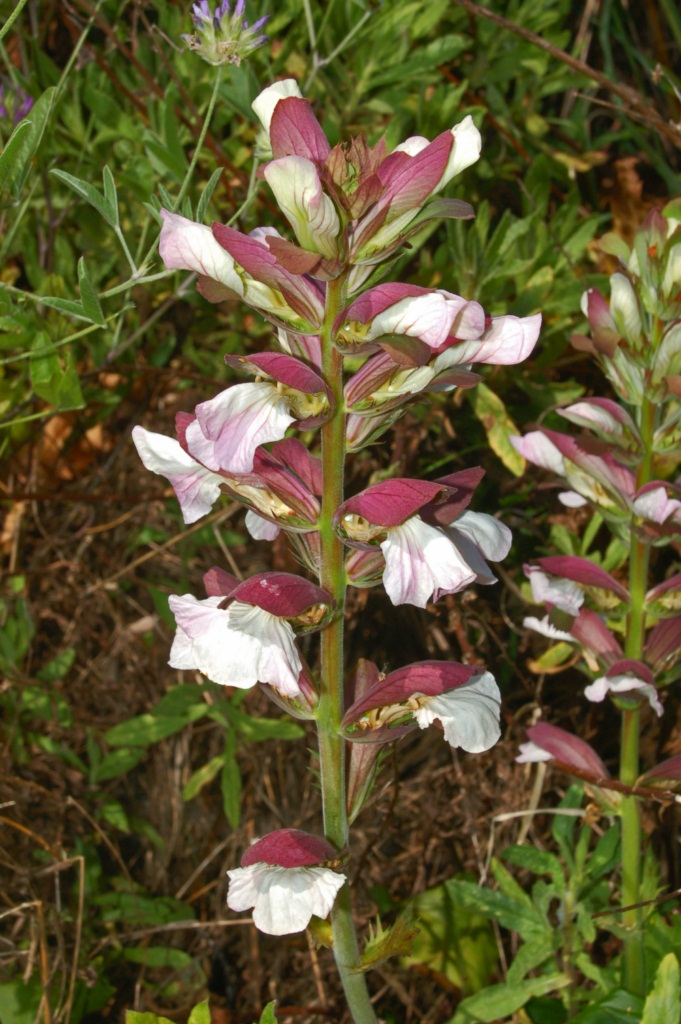
Bear’s Breeches
Acanthus mollis
☀️ Partial Sun 💧 Moderate

Bengal Clock Vine
Thunbergia grandiflora
☀️ Full Sun 💧 Moderate
Black-Eyed Susan Vine
Thunbergia alata
☀️ Full Sun 💧 Moderate

Blue Trumpet Vine
Thunbergia laurifolia
☀️ Full Sun 💧 Moderate

Carpenter Bush
Dianthera pectoralis
☀️ Partial Shade 💧 High
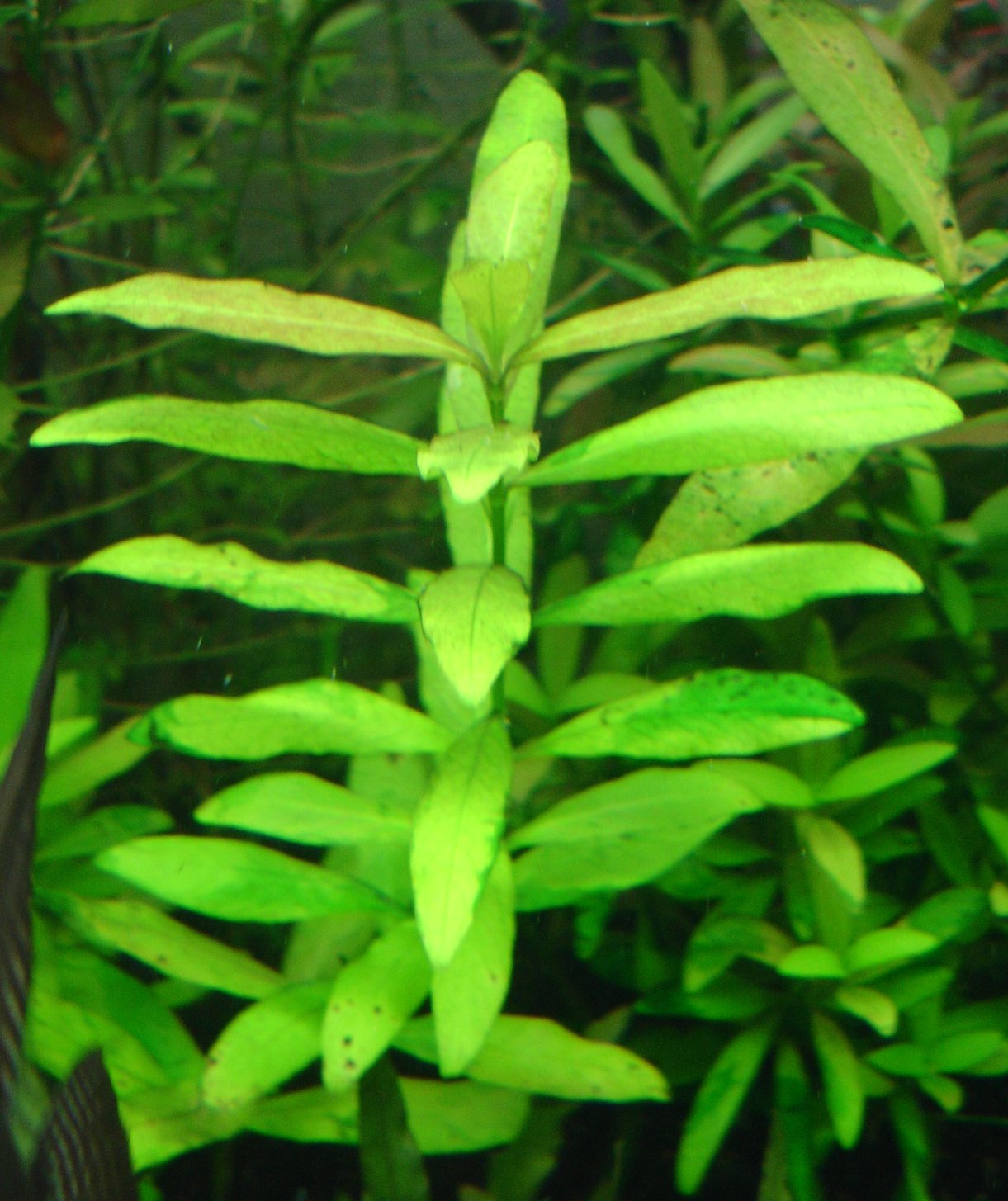
Dwarf Hygrophila
Hygrophila polysperma
☀️ Bright Indirect 💧 Aquatic

Firecracker Flower
Crossandra infundibuliformis
☀️ Bright Indirect 💧 Moderate
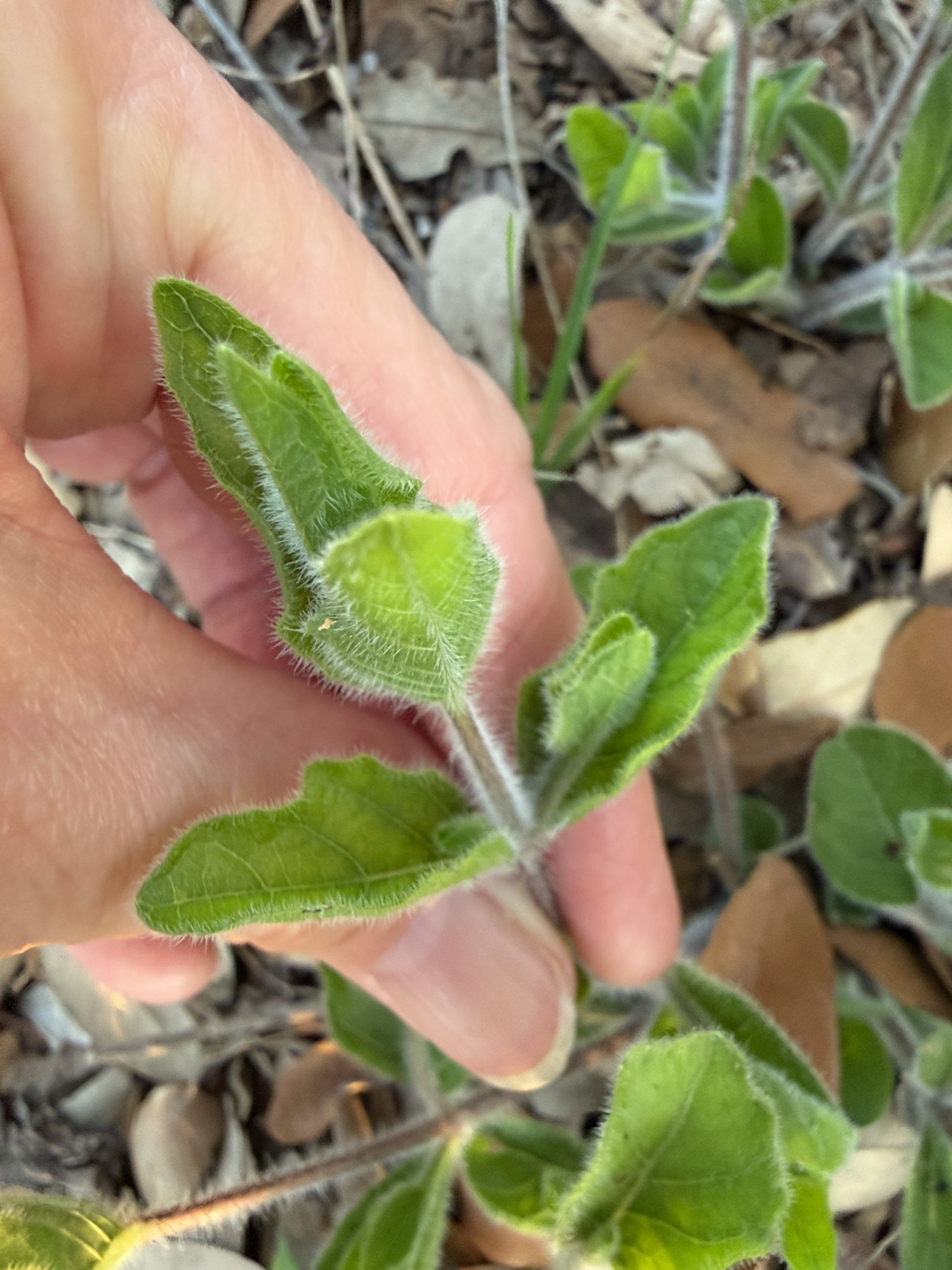
Fringeleaf Wild Petunia
Ruellia humilis
☀️ Full Sun 💧 Low

Golden Shrimp Plant
Pachystachys lutea
☀️ Bright Indirect 💧 High

Kalmegh
Andrographis paniculata
☀️ Partial Sun 💧 Moderate

Kokilaksha
Hygrophila auriculata
☀️ Full Sun 💧 Aquatic

Malabar Nut
Justicia adhatoda
☀️ Full Sun 💧 Moderate

Mexican Petunia
Ruellia simplex
☀️ Full Sun 💧 Moderate
Nerve Plant
Fittonia albivenis
☀️ Bright Indirect 💧 High
Polka Dot Plant
Hypoestes phyllostachya
☀️ Bright Indirect 💧 Moderate

Porcupine Flower
Barleria prionitis
☀️ Full Sun 💧 Low

Shrimp Plant
Justicia brandegeeana
☀️ Bright Indirect 💧 Moderate
Common Questions
What are the common characteristics of Acanthaceae family plants?
Acanthaceae plants are identified by opposite leaves, two-lipped irregular flowers, colorful persistent bracts, and dehiscent seed capsules. Most species also feature square or angled stems and specialized explosive seed pods that open when wet or fully mature.
Are Acanthaceae plants suitable as indoor houseplants?
Yes, many tropical Acanthaceae species excel as indoor houseplants if provided with temperatures above 15 °C (60 °F) and bright indirect light. Compact cultivars like shrimp plant and firecracker flower bloom indoors for several months when ambient humidity remains above 50%.
How do you propagate plants in the Acanthaceae family?
Most Acanthaceae species propagate easily from stem cuttings rooted in water or moist potting mix within 14 to 21 days. Take 10–15 cm (4–6 in) tip cuttings in spring or summer, remove lower leaves, and maintain ambient temperatures around 21–24 °C (70–75 °F).
Are plants in the Acanthaceae family toxic to pets?
Most common Acanthaceae houseplants such as shrimp plant and firecracker flower are non-toxic to cats and dogs. However, outdoor landscape members like Mexican petunia can cause mild digestive upset if ingested in large quantities by pets.