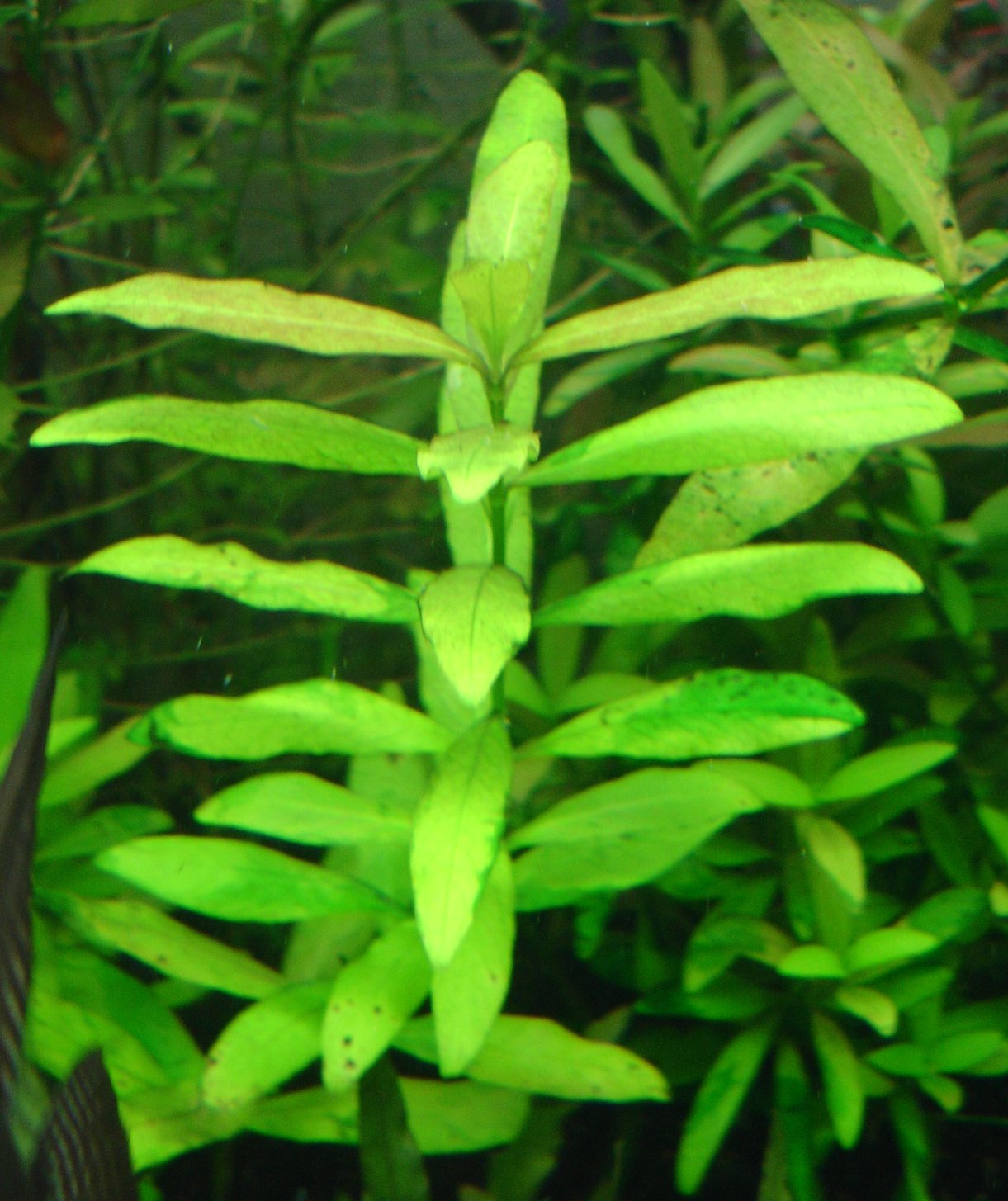
Kokilaksha (Hygrophila auriculata) is a stiff, spine-bearing wetland herb native to marshes, riverbanks, and seasonally flooded plains across tropical Africa and South Asia. The plant develops whorls of sharp, yellowish thorns at each leaf node directly beneath clusters of bright purple-blue, two-lipped blossoms.
Cultivating this species requires standing moisture or persistently saturated mud, where it reaches 1 to 1.5 m (3.3 to 4.9 ft) in height within a single monsoon cycle. Unmanaged stands spread aggressively across irrigation channels through dense rooting nodes and self-sown mucilaginous seeds.
Key Facts
- Water: Constantly saturated soil or shallow standing water
- Light: Full sun at least 6 hours daily
- Height: 60 to 150 cm (2 to 5 ft)
- Soil: Heavy clay or alluvial wetland silt
- Seed Harvest: Autumn as capsules turn brown
- Hardiness: USDA Zones 10 to 12
Growing Kokilaksha in Wetland Gardens
Kokilaksha requires saturated, boggy mud or waterlogged margins to survive, making it unsuited to standard well-drained garden beds. Growers with dedicated retention ponds, marsh margins, or deep plastic-lined water basins can raise it successfully. Handling mature plants requires thick work gloves because every stem junction bears six sharp thorns up to 4 cm (1.6 in) long.
- Suited to waterlogged ground where ordinary vegetable crops rot
- Demands warm conditions with minimum temperatures above 15 °C (59 °F)
- Produces high biomass within 90 to 120 days of monsoon sowing
Identifying Kokilaksha Stems, Spines, and Flowers
Kokilaksha grows as an erect annual or short-lived perennial herb measuring 60 to 150 cm (2 to 5 ft) tall with square, hispid stems. The leaves occur in whorls of six at each stem node, with the outer pair measuring 10 to 18 cm (3.9 to 7.1 in) long and the inner pairs noticeably smaller. Six sharp, pale yellow spines curve outward from each node, reaching lengths of 2 to 4.5 cm (0.8 to 1.8 in).
From late autumn to winter, the nodes produce clusters of two-lipped, purple-blue flowers measuring 3 to 3.5 cm (1.2 to 1.4 in) in length. The lower petal lip features an orange-yellow streak along the throat, followed by linear seed capsules containing 4 to 8 flat, ovate brown seeds that become mucilaginous upon contact with water.
Soil and Water Conditions for Marsh Barbel
Marsh barbel requires a permanently saturated substrate with a pH between 6.5 and 7.5, tolerating up to 8 cm (3.1 in) of standing water. Heavy alluvial clays and loamy ditch soils retain the continuous moisture levels that this tropical wetland native demands. Companion wetland plants like sweet flag (Acorus calamus), water hyssop (Bacopa monnieri), and gotu kola (Centella asiatica) share these marshy soil parameters.
- Position in open locations receiving 6 to 8 hours of direct sunlight
- Maintain water depths between 2 and 8 cm (0.8 and 3.1 in) above soil level
- Avoid acidic peat mixes, which stall taproot development
How to Sow Kokilaksha from Seed
Sow kokilaksha seeds by pressing them directly onto the surface of muddy soil at 25 to 32 °C (77 to 90 °F) without burying them. The seeds produce a clear mucilage coat immediately when wet, which anchors them to damp mud and triggers germination within 4 to 7 days.
- Collect ripe, dark brown capsules from autumn plants
- Space surface-sown seeds 30 cm (12 in) apart in raised mud ridges
- Maintain a thin film of moisture over the seedbed without submerging emerging sprouts
- Thin seedlings to one plant per 45 cm (18 in) after the first true spiny nodes appear at 3 weeks
Watering and Feeding Care
Irrigate kokilaksha beds to ensure the soil surface never dries out even for a single day during active vegetative growth. Applying a thin top-dressing of aged compost or vermicompost at 500 g per square meter every four weeks supplies adequate nutrition without fouling shallow standing water.
- Run fresh water through the planting trench weekly to prevent stagnant scum
- Pull competing semi-aquatic grasses like barnyard grass (Echinochloa crus-galli) while kokilaksha is under 30 cm (12 in)
- Prune dead lower foliage wearing thorn-resistant leather gloves
Harvesting Kokilaksha Leaves, Roots, and Seeds
Harvest kokilaksha aerial shoots before the floral buds open, roughly 70 to 80 days after sowing, to obtain leaves with peak moisture and phytochemical concentrations. Cut the upper 30 cm (12 in) of stems using sharp pruning shears, working carefully between the node spines.
- Harvest whole mature roots during the dry season after flowering by loosening wet soil with a garden fork
- Gather seed pods once capsules turn dry brown, usually 120 to 140 days after germination
- Shake dried pods inside a canvas sack to release the flat brown seeds without puncturing hands on calyx bristles
Traditional Uses of Kokilaksha Formulations
Traditional Ayurvedic medicine utilizes every part of the kokilaksha plant, including roots, seeds, and aerial leaves, in classic herbal remedies. In traditional practice, roots and whole aerial stems were boiled into decoctions known as kokilaksha kashayam (or kokilaksham kashayam), traditionally used for joint inflammation and fluid retention. The seeds, known commercially as talmakhana or kokilaksha powder, were soaked in liquid to form a gelatinous tonic.
Today, herbal manufacturers process the dried herb into kokilaksha tablets, liquid extracts, and micronized powders. Ayurvedic compendiums cataloged on platforms like Easy Ayurveda describe its traditional taste as sweet and bitter, with cooling properties that balance Pitta and Vata. In Karnataka, herbal gatherers identify the plant under the Kannada name kolavanke or kolavalu.
Kokilaksha Pest and Weed Problems
Control leaf-chewing caterpillars and water-surface snails by hand-picking them from stem bases during early morning hours. Waterlogged beds also encourage fungal root rots if the water becomes completely anaerobic and putrid.
- Leaf skeletonizers: prune and burn affected leaf blades showing webbing and feed residues
- Snail infestations: place barriers or shallow boards along planting bunds to trap nocturnal molluscs
- Anaerobic rot: flush the basin with fresh pond or ditch water to restore dissolved oxygen levels
Drying and Storing Kokilaksha Roots and Seeds
Store dried kokilaksha seeds in airtight glass containers kept below 20 °C (68 °F) in total darkness to prevent seed oil degradation. Because the outer seed coat swells into a thick gel upon contact with atmospheric humidity, seal containers with food-safe silica desiccant packs.
- Wash harvested roots in clean running water to dislodge clay, then slice into 2 cm (0.8 in) chunks
- Dry roots and foliage on elevated mesh screens in shaded, well-ventilated rooms for 5 to 7 days
- Verify that plant moisture content is below 10 percent before grinding into kokilaksha powder
Year-Round Wetland Care for Kokilaksha
| Spring | Prepare wetland trenches with fresh silt or clay. Sow seeds directly onto damp mud once daytime temperatures consistently exceed 24 °C (75 °F). |
|---|---|
| Summer | Maintain 2 to 5 cm (0.8 to 2 in) of standing water. Top-dress with 500 g of compost per square meter and weed out aggressive ditch grasses. |
| Autumn | Harvest vegetative shoots before flowering starts. Collect maturing brown seed capsules before they shatter into the mud. |
| Winter | Dig roots from spent plants for drying. In frost-free zones, clear dead stems and keep rootstocks submerged in shallow water. |
Kokilaksha Growing Problems and Symptoms
| What you see | Likely cause | What to do |
|---|---|---|
| Yellowing foliage and stunted shoot elongation | Substrate dried out or pH dropped below 6.0 | Flood the growing area immediately and incorporate agricultural lime to raise soil pH above 6.5. |
| Blackened, rotting stem bases with foul odor | Stagnant, anaerobic standing water | Drain the stagnant water, flush with clean water, and maintain gentle circulation. |
| Chewed foliage and skeletonized upper leaves | Semi-aquatic caterpillar larvae | Hand-pick caterpillars from leaf undersides at dawn and spray with Bacillus thuringiensis. |
| Premature seed release and capsule shatter | Harvesting delayed past capsule browning stage | Snip seed heads as soon as the outer husks turn tan rather than waiting for complete drying on the stalk. |
Frequently Asked Questions
What is kokilaksha kashayam used for?
Kokilaksha kashayam is a traditional Ayurvedic water decoction traditionally prepared from the plant's roots and aerial parts for inflammatory conditions, joint swelling, and fluid retention. It is documented in classical texts for managing Pitta imbalances.
How to consume kokilaksha?
Herbal practitioners traditionally administer kokilaksha as a boiled decoction (kashayam), powdered seeds (talmakhana churna) mixed into warm water or milk, or pre-measured commercial tablets. Because formulations vary widely in strength, practitioners determine specific usage.
What is the common name of the kokilaksha plant in Kannada?
In Kannada, the kokilaksha plant is commonly called kolavanke, kolavanka, or kolavalu. In neighboring regions, it is known as vayalchulli in Malayalam and neermulli in Tamil.
Can kokilaksha grow in ordinary garden soil?
No, kokilaksha wilts and dies rapidly in dry or standard well-drained garden loam. It requires constantly submerged mud, bog conditions, or shallow pond borders with standing water.
Why do kokilaksha seeds become sticky in water?
The seed coat of kokilaksha contains dense hygroscopic mucilage that swells instantly upon contact with moisture. In nature, this gel anchors the seed firmly to marsh mud so moving water does not wash it away before rooting.
Information about traditional or historical uses is provided for educational interest only and is not medical advice. Do not use any plant to treat a condition without speaking to a qualified professional.
Sources & Verification
Taxonomy and distribution are checked against the databases below. Care guidance is written for cultivated species only and reviewed by our editor. How We Build Plant Profiles →