Arecaceae Family: Types of Palm Trees and Care Guide
41 plant profiles · Explore the Arecaceae family of palms, from indoor varieties like parlor palm to cold-hardy windmill palms. Learn identification and growing requirements.
The Arecaceae family contains over 2,600 species of palms native to tropical, subtropical, and warm temperate zones across the globe. Members of this family typically produce unbranched woody trunks topped by a crown of evergreen compound leaves, known as fronds, which are either pinnate (feather-like) or palmate (fan-like). Major agricultural crops like the date palm (Phoenix dactylifera) and oil palm (Elaeis guineensis) belong to this family alongside landscape trees such as the royal palm (Roystonea regia) and nipa palm (Nypa fruticans).
When choosing palms for indoor spaces or home gardens, light intensity and cold tolerance determine survival. Compact shade-tolerant species such as the parlor palm (Chamaedorea elegans) and lady palm (Rhapis excelsa) thrive indoors under medium indirect light and temperatures above 15 °C (59 °F). Outdoors, cold-hardy species like the windmill palm (Trachycarpus fortunei) withstand winter freezes down to -15 °C (5 °F), whereas tropical specimens like the Christmas palm (Adonidia merrillii) suffer foliage damage when temperatures drop below 4 °C (39 °F).
Most Arecaceae species prefer well-draining soil mixes rich in organic matter with a pH between 6.0 and 7.0. They require consistent moisture during active growth periods in spring and summer, but roots deteriorate rapidly in standing water. Common pests across the family include spider mites, scale insects, and mealybugs, while potassium and magnesium deficiencies frequently cause leaf yellowing or necrosis on older fronds.
Alexandra Palm
Archontophoenix alexandrae
☀️ Full Sun 💧 High

Areca Palm
Dypsis lutescens
☀️ Bright Indirect 💧 Moderate

Bacaba Palm
Oenocarpus bacaba
☀️ Full Sun 💧 Moderate
Bamboo Palm
Chamaedorea seifrizii
☀️ Bright Indirect 💧 Moderate

Betel Nut Palm
Areca catechu
☀️ Full Sun 💧 High
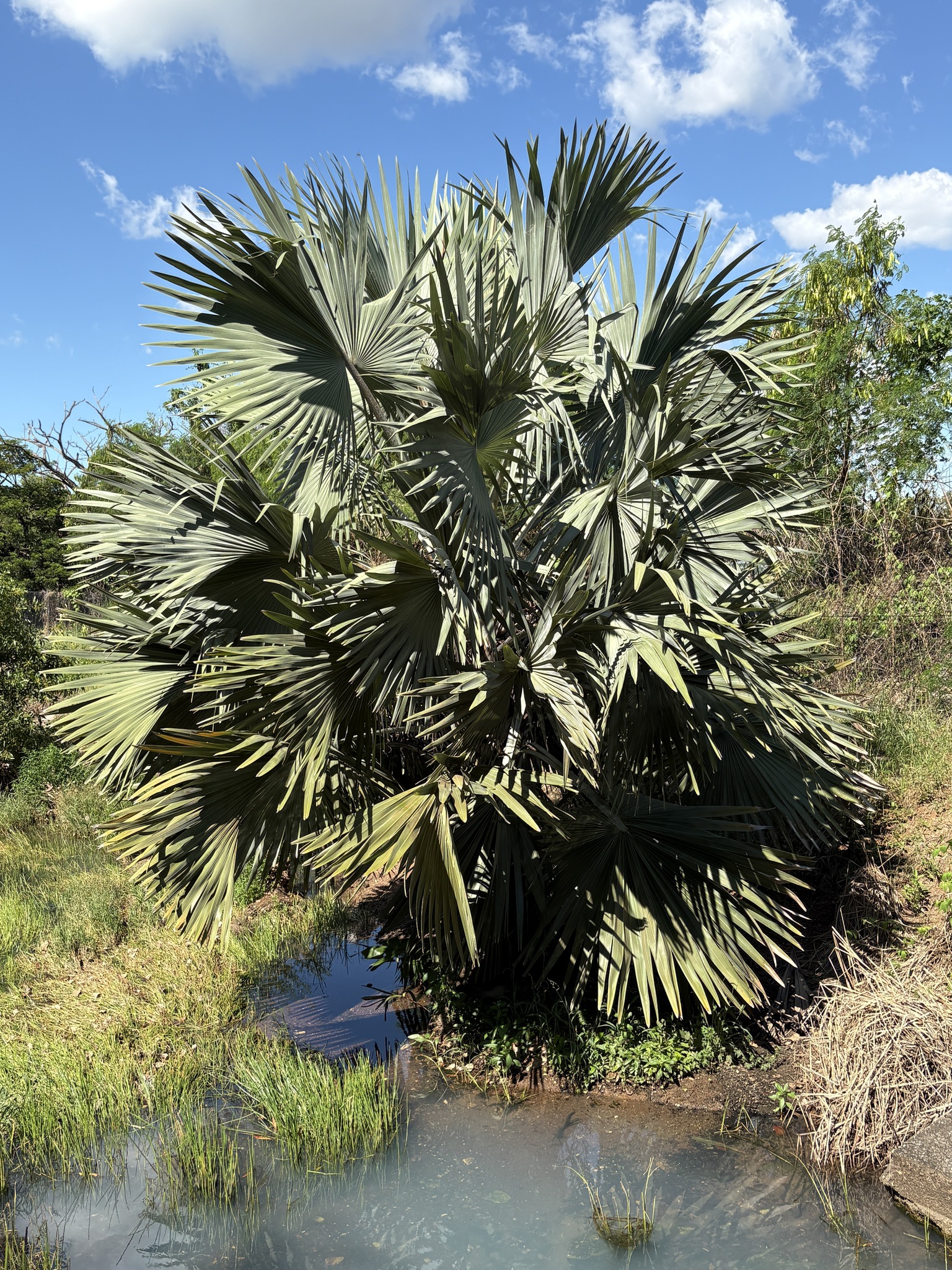
Bismarck Palm
Bismarckia nobilis
☀️ Full Sun 💧 Low

Bottle Palm
Hyophorbe lagenicaulis
☀️ Full Sun 💧 Moderate

Cabbage Palmetto
Sabal palmetto
☀️ Full Sun 💧 Moderate
California Fan Palm
Washingtonia filifera
☀️ Full Sun 💧 Moderate

Canary Island Date Palm
Phoenix canariensis
☀️ Full Sun 💧 Moderate

Chilean Wine Palm
Jubaea chilensis
☀️ Full Sun 💧 Low

Chinese Fan Palm
Livistona chinensis
☀️ Bright Indirect 💧 Moderate

Christmas Palm
Adonidia merrillii
☀️ Full Sun 💧 Moderate

Cliff Date Palm
Phoenix rupicola
☀️ Full Sun 💧 Moderate
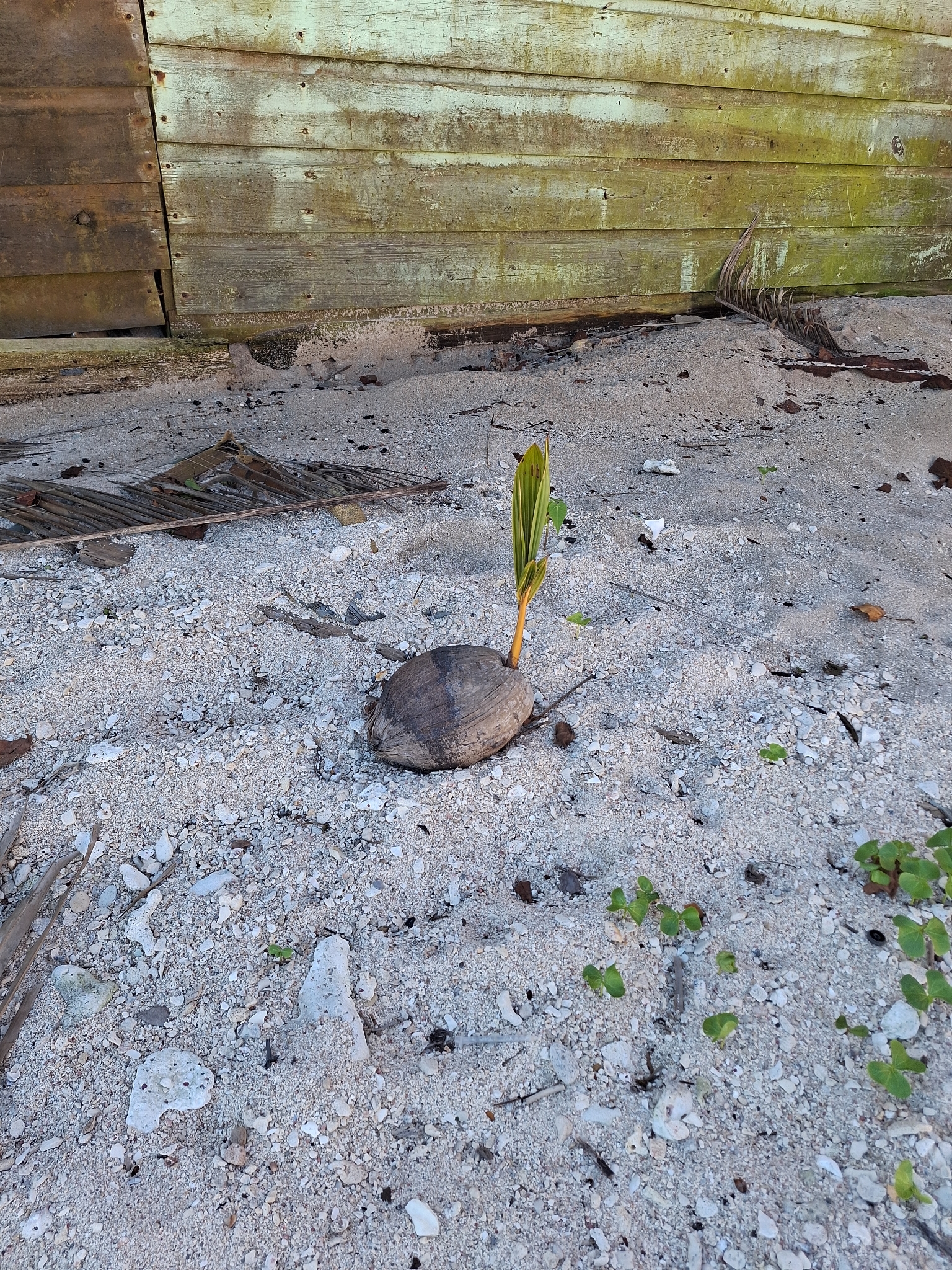
Coconut Palm
Cocos nucifera
☀️ Full Sun 💧 High

Date Palm
Phoenix dactylifera
☀️ Full Sun 💧 Low
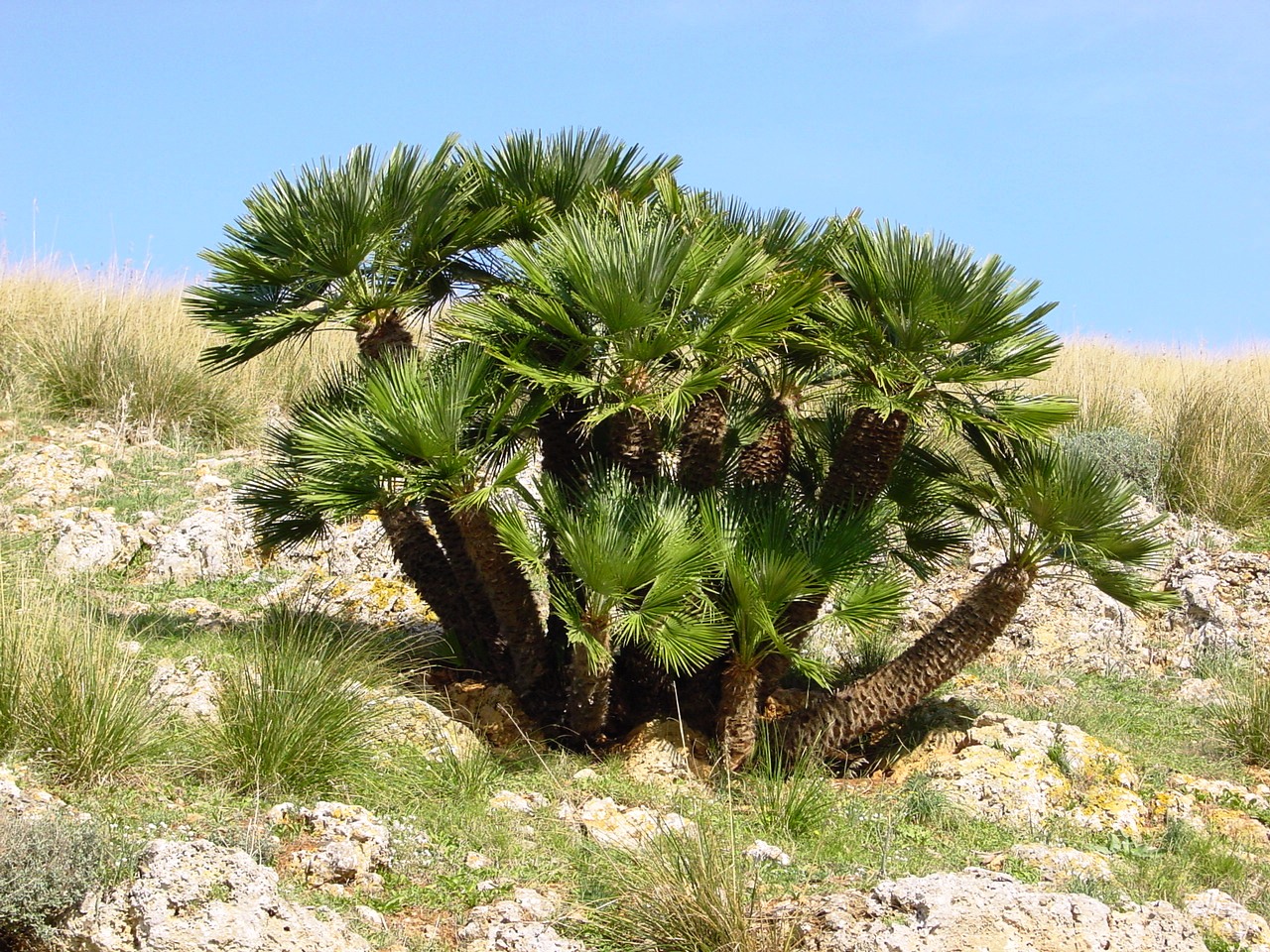
European Fan Palm
Chamaerops humilis
☀️ Full Sun 💧 Low

Fishtail Palm
Caryota mitis
☀️ Bright Indirect 💧 High
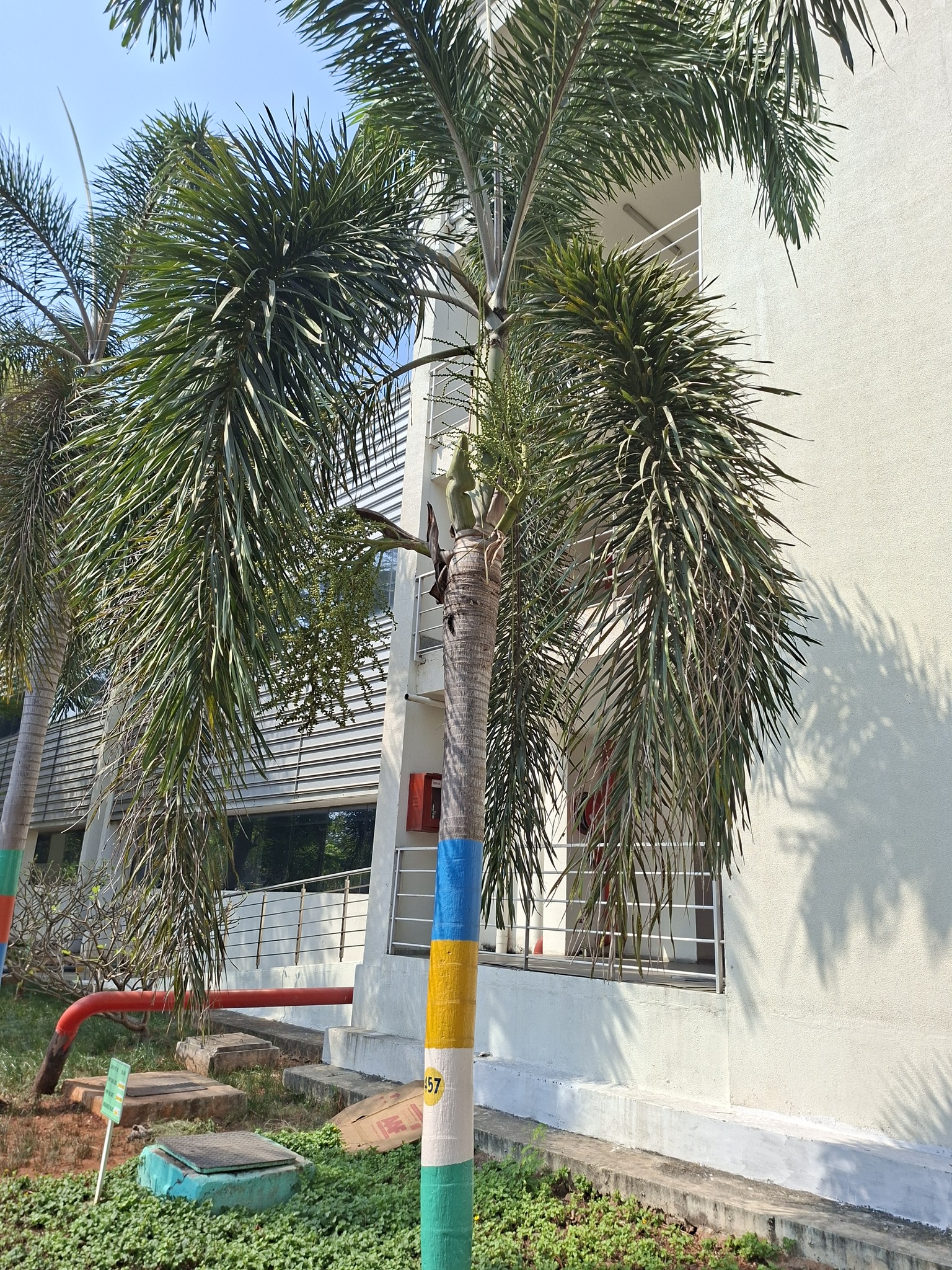
Foxtail Palm
Wodyetia bifurcata
☀️ Full Sun 💧 Moderate

Huasi Palm
Euterpe precatoria
☀️ Full Sun 💧 High
Jaggery Palm
Caryota urens
☀️ Full Sun 💧 High

Jelly Palm
Butia capitata
☀️ Full Sun 💧 Moderate
Kentia Palm
Howea forsteriana
☀️ Bright Indirect 💧 Moderate

Lady Palm
Rhapis excelsa
☀️ Bright Indirect 💧 Moderate
Common Questions
How do you identify plants in the Arecaceae family?
Members of the Arecaceae family are identified by their unbranched trunks, fibrous root systems, and terminal crowns of pinnate or palmate fronds. They produce small flowers grouped on branched inflorescences and yield single-seeded fruits such as drupes or berries.
Which palms in the Arecaceae family can grow indoors?
Parlor palm (Chamaedorea elegans) and lady palm (Rhapis excelsa) adapt best to indoor environments. These slow-growing species tolerate lower light levels and average home humidity better than sun-demanding outdoor palms.
Are plants in the Arecaceae family toxic to pets?
Most true palms in the Arecaceae family, including the parlor palm and date palm, are non-toxic to cats and dogs. However, plants outside this family with 'palm' in their common name, such as the sago palm (Cycas revoluta), are toxic.
What temperature can windmill palms tolerate?
Mature windmill palms (Trachycarpus fortunei) tolerate cold temperatures down to -15 °C (5 °F) without fatal damage to the growing trunk. Young specimens require winter root protection during prolonged freezes below -10 °C (14 °F).