Rubiaceae Family Plants: Growing Coffee, Gardenias, and More
19 plant profiles · Rubiaceae family plants list including arabica and robusta coffee, gardenia, cinchona, madder and buttonbush. Family features and care for each species.
The Rubiaceae family, commonly called the madder family, contains over 13,000 species ranging from tropical trees to temperate groundcovers. You can identify members of this family by their opposite leaves with interpetiolar stipules—small appendages located on the stem between opposing leaf stalks—and tubular flowers with four or five petals.
When selecting a Rubiaceae species for your garden or home, consider light, moisture, and hardiness. Warm-climate ornamentals such as Cape jasmine (Gardenia jasminoides) and jungle geranium (Ixora coccinea) demand acidic soil and temperatures above 15 °C (60 °F). If you want an indoor houseplant, Arabica coffee (Coffea arabica) and Robusta coffee (Coffea canephora) adapt well to bright, indirect light inside the home.
For landscape restoration or native planting, cold-hardy species offer strong options. Buttonbush (Cephalanthus occidentalis) tolerates standing water down to USDA zone 5, while creeping partridgeberry (Mitchella repens) forms evergreen mats in shaded woodland gardens. For summer bedding, sun-loving Egyptian starcluster (Pentas lanceolata) provides long-lasting nectar blooms.
Many Rubiaceae species contain active chemical compounds. While coffee seeds produce caffeine, historical medicinal plants like red cinchona (Cinchona pubescens) contain quinine. Always check pet toxicity and soil pH requirements before planting.

Arabica Coffee
Coffea arabica
☀️ Bright Indirect 💧 Moderate

Buttonbush
Cephalanthus occidentalis
☀️ Full Sun 💧 High

Cape Jasmine
Gardenia jasminoides
☀️ Bright Indirect 💧 Moderate
Cleavers
Galium aparine
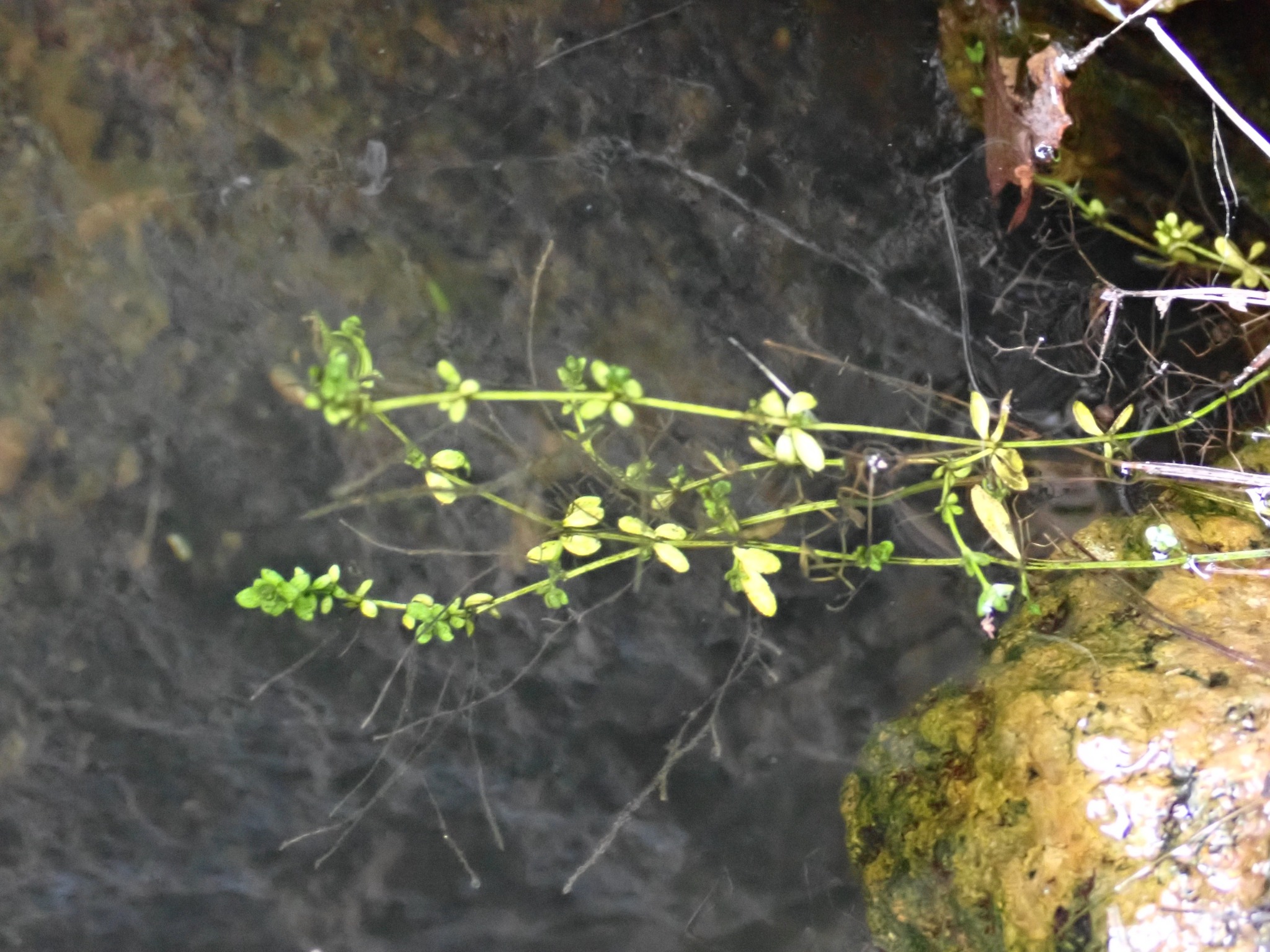
Common Marsh-Bedstraw
Galium palustre
☀️ Partial Sun 💧 High

Crosswort
Cruciata laevipes
☀️ Partial Sun 💧 Moderate

Egyptian Star Cluster
Pentas lanceolata
☀️ Full Sun 💧 Moderate

Ipecac
Carapichea ipecacuanha
☀️ Full Shade 💧 High

Jungle Geranium
Ixora coccinea
☀️ Full Sun 💧 Moderate

Liberica Coffee
Coffea liberica
☀️ Full Sun 💧 Moderate
Madder
Rubia tinctorum
☀️ Full Sun 💧 Moderate
Noni (Apatot)
Morinda citrifolia
☀️ Full Sun 💧 High

Partridgeberry
Mitchella repens
☀️ Full Shade 💧 Moderate
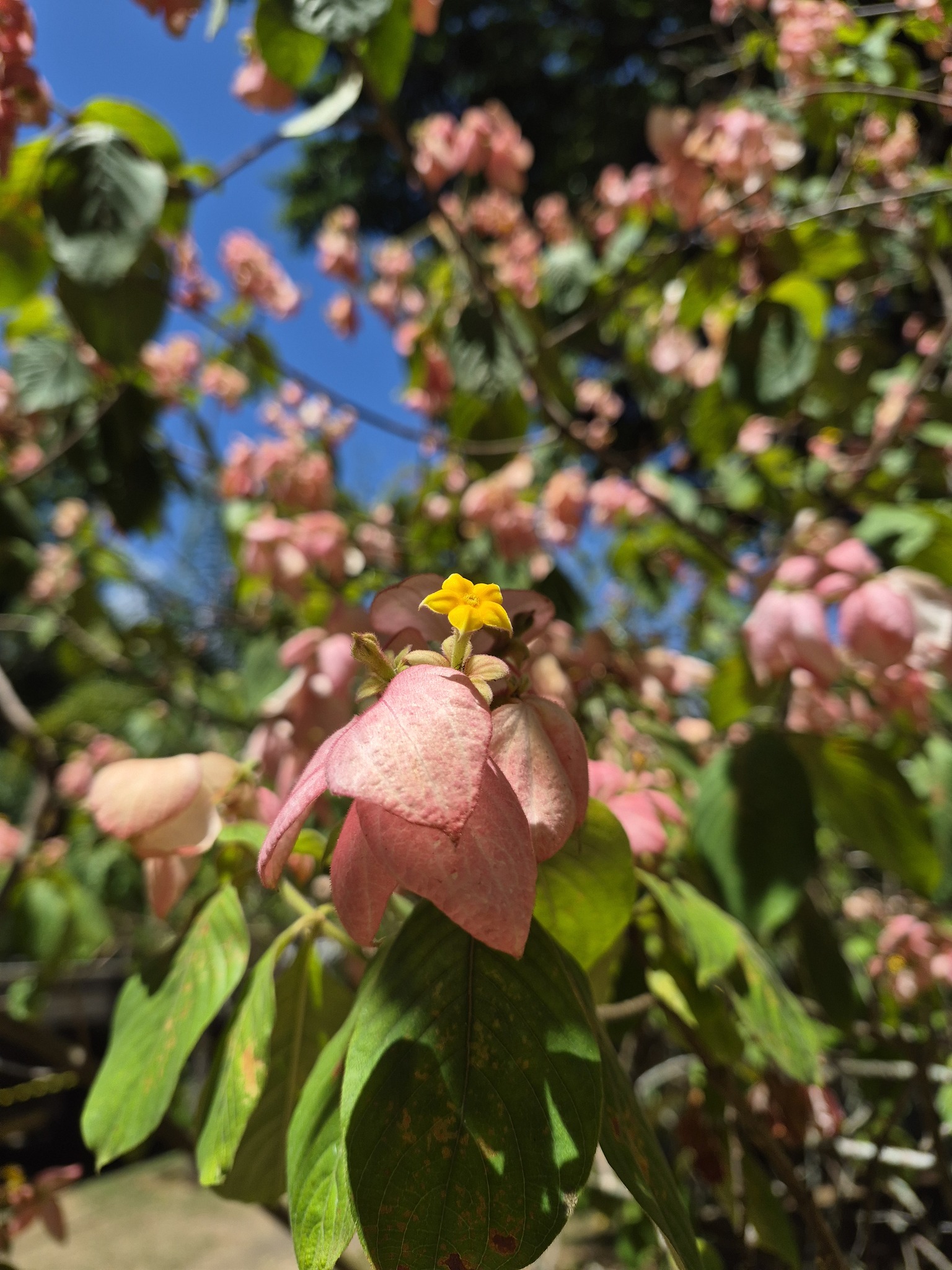
Philippine Mussaenda
Mussaenda philippica
☀️ Full Sun 💧 Moderate
Quinine Tree
Cinchona officinalis
☀️ Partial Sun 💧 High

Red Cinchona
Cinchona pubescens

Robusta Coffee
Coffea canephora
☀️ Partial Sun 💧 High
Sweet Woodruff
Galium odoratum
☀️ Partial Shade 💧 Moderate

Tahitian Gardenia
Gardenia taitensis
☀️ Full Sun 💧 Moderate
Common Questions
What are the common characteristics of the Rubiaceae family?
Rubiaceae plants feature opposite leaves with interpetiolar stipules, tubular four- or five-lobed flowers, and an inferior ovary position. Most species thrive in acidic soils and produce berries, capsules, or schizocarps.
Are plants in the Rubiaceae family toxic to pets?
Toxicity varies significantly by species; while gardenias cause stomach upset in dogs and cats, coffee plants contain harmful levels of caffeine in their foliage and seeds.
Which Rubiaceae plants can be grown as houseplants?
Arabica coffee (Coffea arabica) and Cape jasmine (Gardenia jasminoides) are common potted houseplants in this family, provided you maintain humidity above 50% and provide bright, filtered light.
What type of soil do Rubiaceae plants need?
Most Rubiaceae species prefer well-draining, acidic soil with a pH between 5.0 and 6.5. Adding peat moss or composted pine bark helps maintain the required soil acidity.