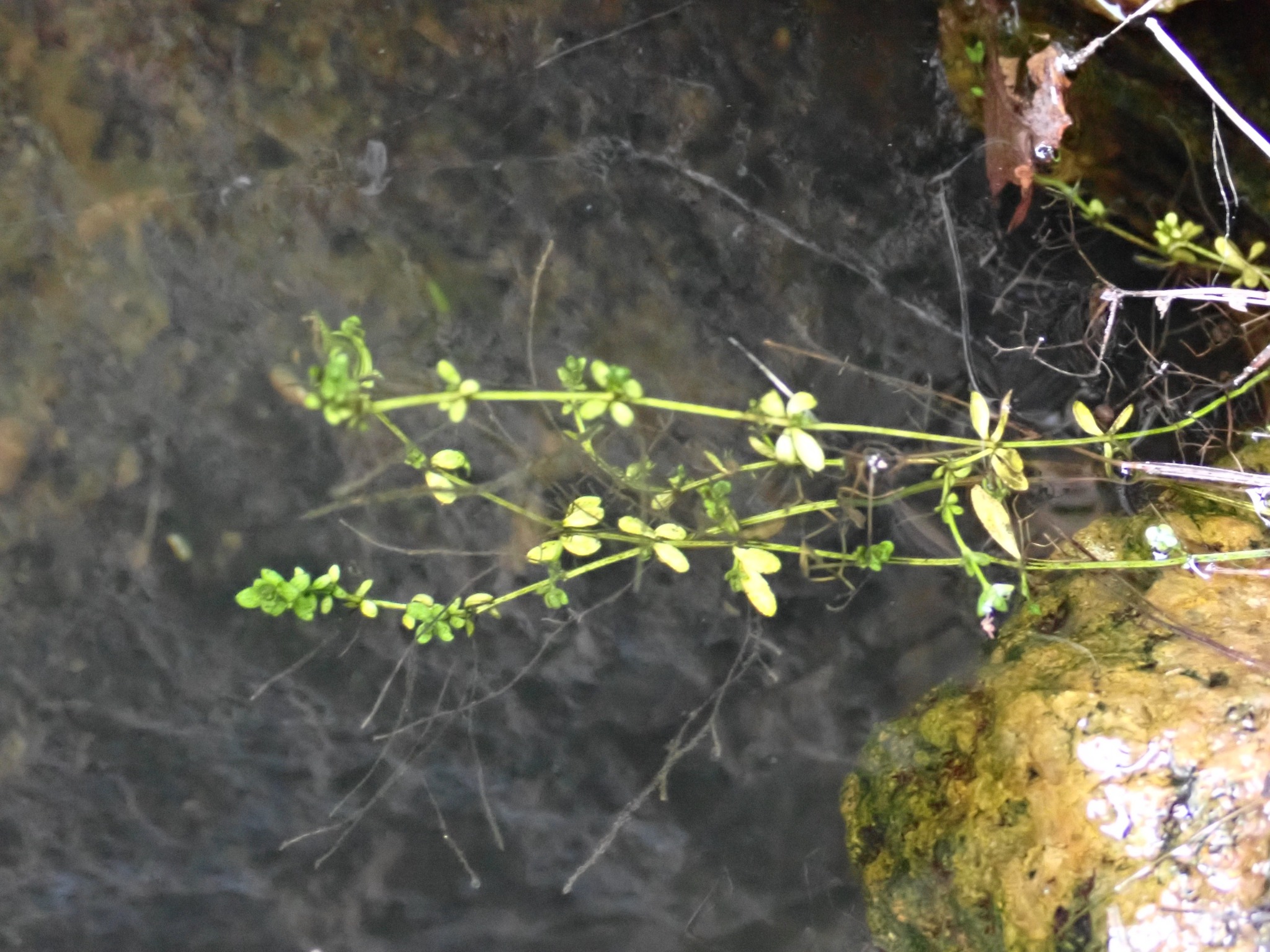
Sweet woodruff (Galium odoratum) is a creeping woodland perennial native across Europe, North Africa, and Western Asia, famous for its whorled emerald leaves and dried vanilla-hay fragrance. Small clusters of four-petaled white flowers blanket the mat in mid-to-late spring.
It forms dense shade carpets in cool, moist soil where lawn grasses fail, but its underground runners quickly overtake delicate rockery plants if left unbounded.
Key Facts
- Light: Partial to full dappled shade
- Water: Keep moist; drought triggers early summer dormancy
- Hardiness: USDA Zones 4 through 8
- Spread rate: 30–60 cm (12–24 in) per year via stolons
- Deer resistance: High; avoided due to bitter foliage
- Scent: Strongest when dried, smelling of coumarin and fresh hay
Is Sweet Woodruff Right for Your Garden?
Sweet woodruff suits shady beds under deciduous trees where standard turfgrass thins out and dies. It forms a dense, weed-suppressing carpet between 15 and 30 cm (6 and 12 in) high that stays green from early spring until the first severe autumn freezes.
Because it spreads through slender subterranean rhizomes, plant it where it has room to wander or against natural boundaries such as stone walls and paved paths. Avoid tucking it next to tiny woodland treasures like twinleaf (Jeffersonia diphylla), which it can eventually smother.
Identifying Sweet Woodruff Foliage and Flowers
You can identify sweet woodruff by its whorls of 6 to 9 lanceolate leaves ringing square, smooth stems at regular nodes. Each rough-margined leaf measures roughly 2.5 to 5 cm (1 to 2 in) long, forming an umbrella-like tier along the stem.
In May and June, stems produce loose terminal cymes of tiny, star-shaped blossoms. Key botanical traits include:
- Flower anatomy: Pure white, four-lobed funnel-shaped corollas roughly 6 mm (0.25 in) wide.
- Foliage aroma: Crushed fresh leaves smell faint, but drying tissue releases a rich aroma of fresh hay and tonka bean.
- Fruit: Bristly, globular two-lobed schizocarps covered in hooked hairs that cling to fur and clothes.
- Root system: Shallow, creeping fibrous rootstocks and thin white horizontal stolons.
Where to Plant Sweet Woodruff
Sweet woodruff thrives in dappled to deep shade with soil rich in organic matter. Direct midday sunlight scorches the tender leaf tips and causes the foliage to turn a bleached, chlorotic yellow.
Site plants under broadleaf canopies like oak or beech, which mimic its native European deciduous forest floors. The soil should hold moisture evenly without staying waterlogged, with an acidic to neutral pH between 4.5 and 7.0. Heavy clay beds should receive a 5 cm (2 in) dressing of leaf mould or compost before planting.
How to Plant Sweet Woodruff Ground Cover
Space new sweet woodruff plugs 20 to 30 cm (8 to 12 in) apart for full canopy closure within two seasons. Fall or early spring is the best planting window, allowing root networks to establish before seasonal summer heat arrives.
Follow these steps to establish a uniform planting:
- Dig holes only as deep as the nursery container and twice as wide.
- Set the crown flush with the garden soil surface; burying crowns leads to rot.
- Spread a 3 cm (1.2 in) layer of shredded leaf mulch around plugs to retain soil moisture.
- Water thoroughly with 2 to 3 cm (0.8 to 1.2 in) of water immediately after backfilling.
Watering and Feeding Sweet Woodruff
Provide 2.5 cm (1 in) of water weekly during the active spring and summer growing period whenever rainfall drops. The shallow roots dry out quickly when competing with tree roots.
If prolonged midsummer heat and drought occur, plants protect themselves by dying back to the ground until autumn rains resume. Supplemental feeding is rarely necessary; top-dressing the planting bed with a 2 cm (0.8 in) layer of aged compost every spring supplies all the nutrients this woodland native needs.
Is Sweet Woodruff Invasive and How to Prune It
Sweet woodruff can become locally aggressive in rich, damp soils, though it is not classified as a federally noxious weed in North America. Its creeping root network will outpace small, slow-growing perennials if not edged periodically.
Maintain neat boundaries using straightforward mechanical methods:
- Slice an edging spade along borders every autumn to sever creeping horizontal stolons.
- Pull wandering rhizomes by hand; they sit shallowly in the top 5 cm (2 in) of soil.
- Mow ragged, post-bloom patches in midsummer using a high mower deck set to 10 cm (4 in).
- Discard removed runners in municipal yard waste rather than wild woodland margins.
How to Propagate Sweet Woodruff
Propagate sweet woodruff by digging and dividing rooted runner clumps in spring or early autumn. While seeds are viable, their physiological dormancy makes vegetative division significantly faster and more dependable.
For division, scoop out a 10 cm (4 in) plug of soil and roots from an established patch using a trowel. Tease the root mat into smaller clusters containing at least three green shoot nodes and white roots, then replant them immediately at their original depth and water thoroughly.
Year-Round Sweet Woodruff Care
| Spring | Top-dress the bed with 2 cm (0.8 in) of leaf compost before shoots emerge. Divide mature patches to fill empty spots and water newly set runners weekly. |
|---|---|
| Summer | Provide 2.5 cm (1 in) of supplemental water during hot dry spells to stop early dormancy. Shear off spent bloom stalks with hand shears if the bed looks untidy. |
| Autumn | Edge the boundaries of the bed with an edger spade to cut wandering stolons. Leave fallen tree leaves on top of the patch to break down naturally as winter insulation. |
| Winter | Leave snow cover undisturbed as thermal protection in USDA Zones 4 and 5. In bare-ground areas with freezing winds, spread evergreen boughs across the bed. |
Sweet Woodruff Problems and Simple Fixes
| What you see | Likely cause | What to do |
|---|---|---|
| Yellow, scorched leaves with crispy edges | Excess direct sunlight or intense midday exposure | Move plants to deeper shade or install temporary shading under overhead trees. |
| Foliage dies back completely in July or August | Summer drought dormancy triggered by dry soil | Water the bed with 2.5 cm (1 in) weekly; new green leaves will reappear once moisture returns. |
| Mushy stems and blackened rhizomes | Waterlogged, poorly draining soil causing crown rot | Incorporate leaf mould and grit to improve soil drainage, and reduce watering frequency. |
| Powdery white film across leaf surfaces | Powdery mildew fungi in stagnant, humid shade | Thin out crowded stems to increase air movement and water strictly at soil level. |
Available Sweet Woodruff Forms
- Straight species (Galium odoratum) – wild-type white flowers, emerald leaves
- ‘Flora Pleno’ – rare double-flowered selection with tight blossoms
Best Companion Plants for Sweet Woodruff
Pair sweet woodruff with vigorous, architectural shade plants whose large leaves create height and texture contrast against the fine carpet. Woodland species that share its light and moisture demands make natural garden partners.
Reliable companions include:
- Plantain lily (Hosta sieboldiana) – broad blue-green leaves contrast with woodruff’s delicate whorls.
- Japanese painted fern (Athyrium niponicum) – silvery fronds emerge as woodruff blossoms fade.
- Coral bells (Heuchera villosa) – provides purple foliage contrast above the green ground cover.
- Siberian bugloss (Brunnera macrophylla) – heart-shaped leaves hold up well amid spreading woodruff stems.
Frequently Asked Questions
Is sweet woodruff deer resistant?
Yes, sweet woodruff is highly resistant to deer and rabbits. Grazing wildlife generally avoids the foliage due to its bitter glycosides and aromatic coumarin compounds.
How do you grow sweet woodruff from seed?
Sweet woodruff seed requires cold, moist stratification for 8 to 10 weeks at 1 to 4 °C (34 to 40 °F) before sowing. Press seeds lightly into moist seed compost in late winter, as they need light to germinate; sprouting typically takes 4 to 6 weeks.
What are the traditional benefits and uses of sweet woodruff?
Sweet woodruff was traditionally used to scent linens, deter moths, and flavour German May wine (Maibowle) and herbal teas. Because its signature compound, coumarin, can cause liver toxicity and headaches in high amounts, it should not be consumed in large volumes.
Can sweet woodruff grow under black walnut trees?
Yes, sweet woodruff is tolerant of juglone, the biochemical compound produced by black walnut trees (Juglans nigra). It carpets the soil under walnut drip lines where many other woodland perennials fail.
Does sweet woodruff stay green all winter?
Sweet woodruff is semi-evergreen in USDA Zones 7 and 8, retaining foliage through mild winters. In colder northern zones (Zones 4 to 6), the foliage dies back to ground level after hard freezes and resprouts in early spring.
Information about traditional or historical uses is provided for educational interest only and is not medical advice. Do not use any plant to treat a condition without speaking to a qualified professional.
Sources & Verification
Taxonomy and distribution are checked against the databases below. Care guidance is written for cultivated species only and reviewed by our editor. How We Build Plant Profiles →
- Kew Plants of the World OnlineTaxonomy, distribution, and native status verification.
- Missouri Botanical GardenHardiness, cultural notes, and shade garden suitability.
- RHS GardeningCultivation parameters and ground cover characteristics.
- NC State Extension Gardener Plant ToolboxToxicity profile and landscape usage.
- GBIF — Global Biodiversity Information Facilitytaxonomy, synonyms, occurrence records
- Wikipediageneral reference