Plants Native to Brazil
76 plant profiles · Explore plants native to Brazil, from tropical rainforest houseplants like prayer plants to sun-loving outdoor perennials and cacti.
Plants native to Brazil originate from diverse ecosystems ranging from humid Amazonian rainforests and Atlantic coastal forests to arid subtropical grasslands. Rainforest understory species require high ambient humidity and bright indirect light with temperatures maintained between 18–27 °C (65–80 °F). Southern grassland and highland species tolerate direct sunlight and cooler conditions, withstanding temperatures down to -5 °C (23 °F).
Select plants based on your indoor lighting and ambient moisture levels. Low-light indoor locations suit shade-tolerant epiphytes and ground cover plants like the fishbone prayer plant (Ctenanthe burle-marxii) and goldfish plant (Nematanthus gregarius). Bright sunny windows support trailing vines such as Brazilian jasmine (Mandevilla sanderi), while outdoor beds accommodate tall flowering shrubs like yesterday-today-and-tomorrow (Brunfelsia pauciflora) and anise-scented sage (Salvia guaranitica).
Soil structure must mirror the plant's native ecological zone. Arid species like the balloon cactus (Parodia magnifica) require sandy soil mixtures with rapid drainage to avoid root rot, whereas the purple shamrock (Oxalis triangularis) uses underground corms to survive periodic dry spells by dropping its foliage until moisture returns.

Aji Pepper
Capsicum baccatum
☀️ Full Sun 💧 Moderate
Amaryllis
Hippeastrum vittatum
☀️ Bright Indirect 💧 Moderate

Angel’s Trumpet
Brugmansia suaveolens
☀️ Full Sun 💧 High

Anise-Scented Sage
Salvia guaranitica
☀️ Full Sun 💧 Moderate
Balloon Cactus
Parodia magnifica
☀️ Bright Indirect 💧 Low

Blue Daze
Evolvulus glomeratus
☀️ Full Sun 💧 Low

Blue Passionflower
Passiflora caerulea
☀️ Full Sun 💧 Moderate

Blushing Bromeliad
Neoregelia carolinae
☀️ Bright Indirect 💧 Moderate

Brazil Nut
Bertholletia excelsa

Brazilian Jasmine
Mandevilla sanderi
☀️ Bright Indirect 💧 Moderate
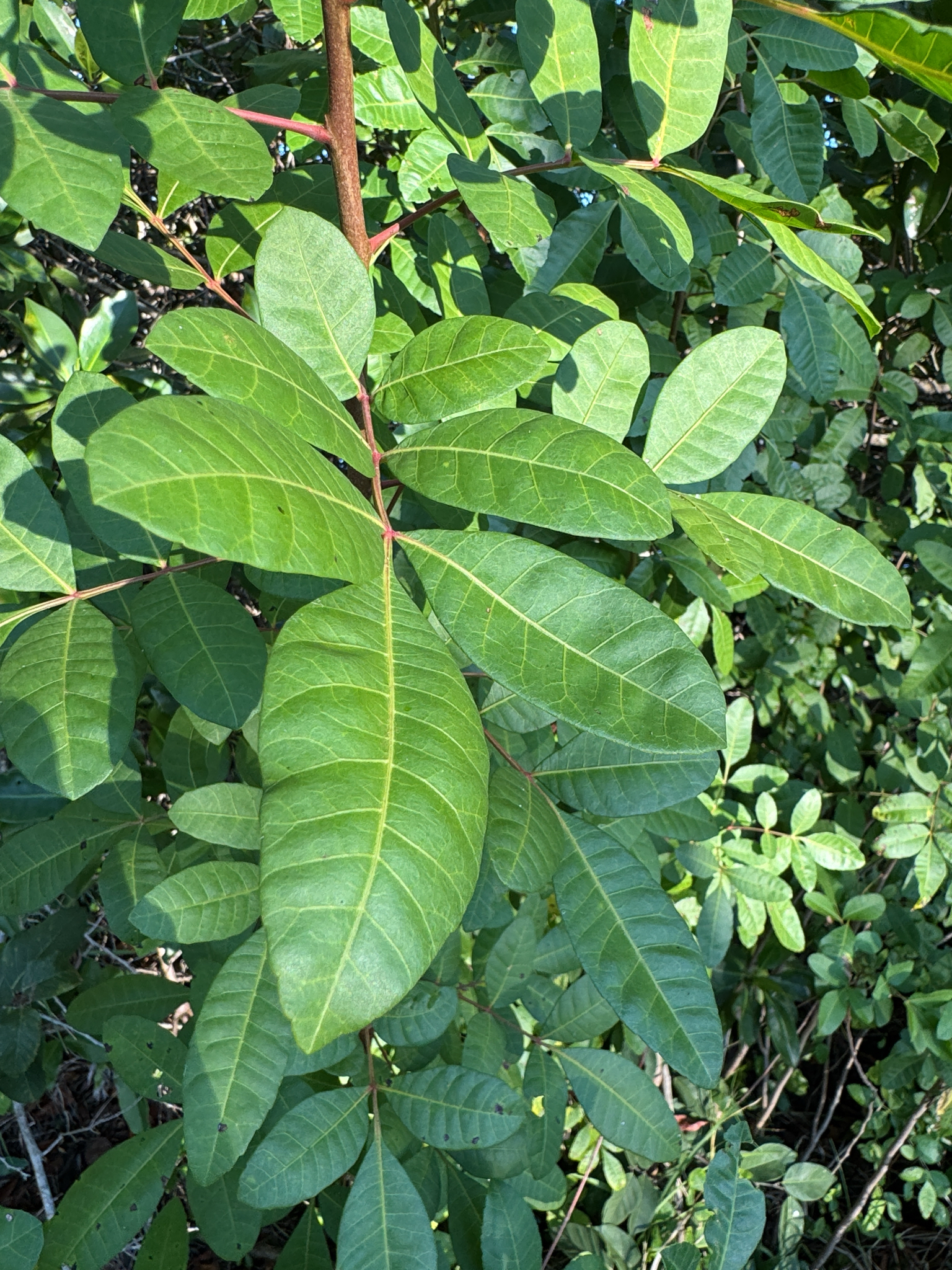
Brazilian Pepper
Schinus terebinthifolia
☀️ Full Sun 💧 Low

Brazilian Waterweed
Elodea densa
💧 Aquatic

Calico Flower
Aristolochia littoralis
☀️ Partial Sun 💧 Moderate

Cashew
Anacardium occidentale
☀️ Full Sun 💧 Moderate

Christmas Cactus
Schlumbergera russeliana
☀️ Bright Indirect 💧 Moderate

Cockspur Coral Tree
Erythrina crista-galli
☀️ Full Sun 💧 Moderate

Cuban Buttercup
Turnera subulata
☀️ Full Sun 💧 Moderate
Cupuaçu
Theobroma grandiflorum
☀️ Partial Shade 💧 High

Easter Cactus
Hatiora gaertneri
☀️ Bright Indirect 💧 Moderate

Emerald Ripple Peperomia
Peperomia caperata
☀️ Bright Indirect 💧 Moderate

Feijoa
Feijoa sellowiana
☀️ Full Sun 💧 Moderate

Fishbone Prayer Plant
Ctenanthe burle-marxii
☀️ Bright Indirect 💧 Moderate

Flame Violet
Episcia cupreata
☀️ Bright Indirect 💧 Moderate

Flowering Maple
Callianthe picta
☀️ Partial Sun 💧 Moderate
Common Questions
Are all plants native to Brazil tropical?
Not all plants native to Brazil are tropical, as the country includes temperate highlands and arid southern grasslands alongside rainforests. Species from the southern region tolerate frosts down to -5 °C (23 °F), while Amazonian species require minimum temperatures of 15 °C (59 °F).
What humidity level do tropical houseplants from Brazil need?
Brazilian rainforest houseplants require relative humidity of 50% to 70% to maintain foliage health. Understory species develop brown leaf tips when ambient humidity drops below 40%.
Which Brazilian native plants grow outdoors in temperate zones?
Anise-scented sage and purpletop vervain grow successfully in temperate outdoor gardens during summer. They tolerate heat up to 35 °C (95 °F) and thrive in full sunlight with well-draining soil.
How often should you water cacti native to Brazil?
Water Brazilian cacti only after the substrate dries completely to a depth of 5 cm (2 in). Reduce watering to once every 4 to 6 weeks during winter dormancy.