Plants Native to California
32 plant profiles · Discover plants native to California, from coastal ferns to drought-tolerant oaks and desert yuccas. Learn light, water, and soil requirements.
Plants native to California adapted to a Mediterranean climate characterized by cool, wet winters and hot, dry summers. This geographic region spans USDA hardiness zones 5 through 11, ranging from humid coastal fog belts to arid deserts and alpine peaks. Knowing your local microclimate determines whether a species requires total summer drought or continuous ambient humidity.
Choosing the right California native depends on your soil moisture, sun exposure, and yard space. Coastal shade gardens suit moisture-loving species like western sword fern (Polystichum munitum) and pacific rhododendron (Rhododendron macrophyllum), which thrive in temperatures between 10-21 °C (50-70 °F) and damp, acidic soil. For open, sunny beds, annuals like California poppy (Eschscholzia californica) self-seed readily in lean, well-draining soil with zero summer irrigation.
Larger landscapes accommodate keystone trees and desert succulents. Evergreen canopy trees such as California live oak (Quercus agrifolia) support hundreds of native insect species while surviving on under 38 cm (15 in) of annual rain. Arid interior regions support low-water specimens like Mojave yucca (Yucca schidigera) and high-altitude conifers like Great Basin bristlecone pine (Pinus longaeva). Matching your regional rainfall to the plant's origin prevents root rot and fungal infection.

Ashy Buckwheat
Eriogonum cinereum
☀️ Full Sun 💧 Low
California Black Oak
Quercus kelloggii
☀️ Full Sun 💧 Low

California Buckeye
Aesculus californica
☀️ Full Sun 💧 Low

California Checkerbloom
Sidalcea malviflora
☀️ Full Sun 💧 Moderate

California Foothill Pine
Pinus sabiniana
☀️ Full Sun 💧 Low

California Live Oak
Quercus agrifolia
☀️ Full Sun 💧 Low

California Poppy
Eschscholzia californica
☀️ Full Sun 💧 Low

California Sycamore
Platanus racemosa
☀️ Full Sun 💧 High

California Wood Fern
Dryopteris arguta
☀️ Partial Shade 💧 Low

Coastal Prickly Pear
Opuntia littoralis
☀️ Full Sun 💧 Low
Coulter Pine
Pinus coulteri
☀️ Full Sun 💧 Low

Coyote Bush
Baccharis pilularis
☀️ Full Sun 💧 Low

Crevice Alumroot
Heuchera micrantha

Douglas Iris
Iris douglasiana
☀️ Partial Sun 💧 Low

Dune Bentgrass
Agrostis pallens
☀️ Partial Sun 💧 Low

Garry Oak
Quercus garryana
☀️ Full Sun 💧 Low

Great Basin Bristlecone Pine
Pinus longaeva
☀️ Full Sun 💧 Low

Hollyleaf Cherry
Prunus ilicifolia
☀️ Full Sun 💧 Low
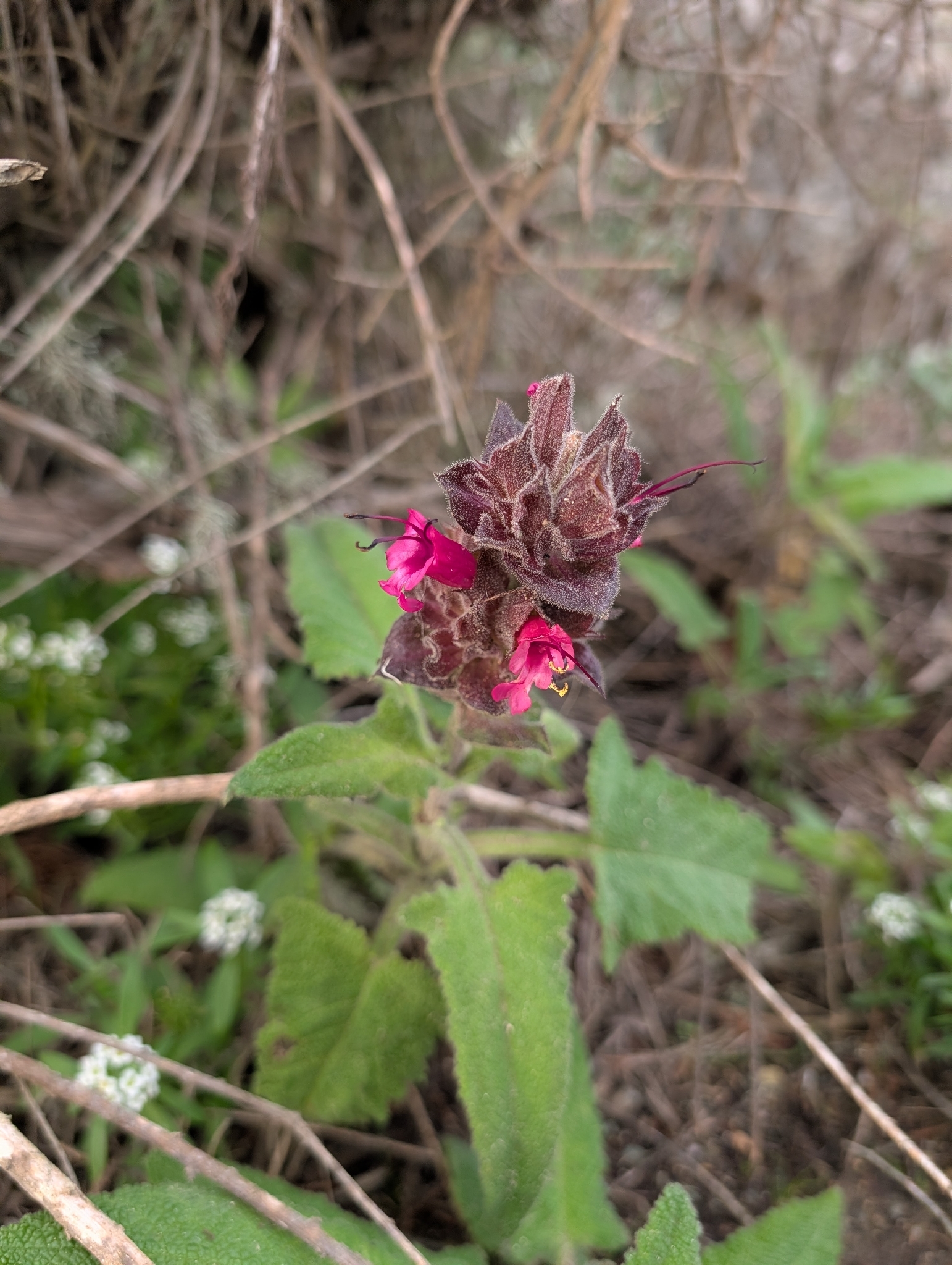
Hummingbird Sage
Salvia spathacea
☀️ Partial Shade 💧 Low

Incense Cedar
Calocedrus decurrens
☀️ Full Sun 💧 Low
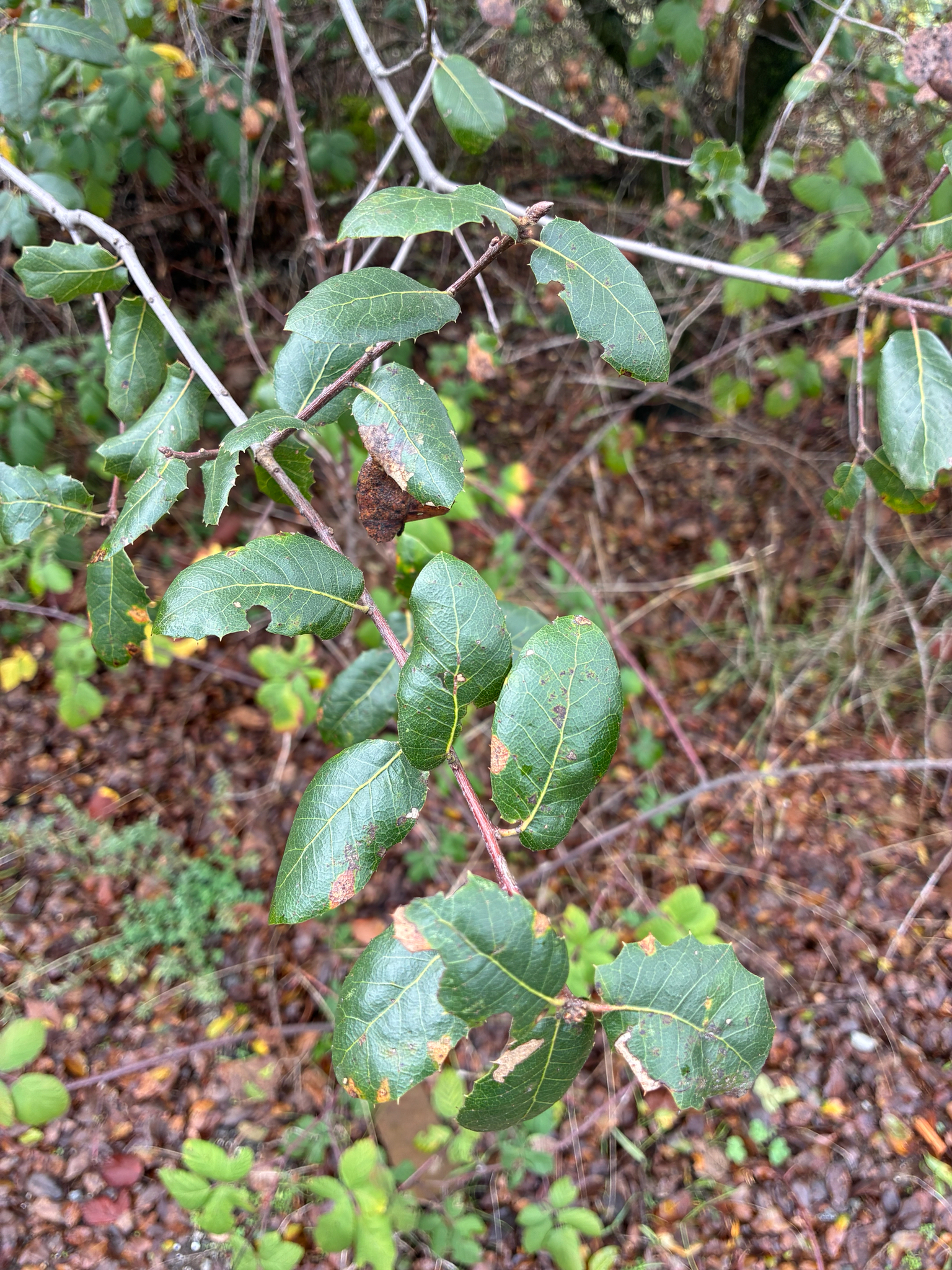
Interior Live Oak
Quercus wislizeni
☀️ Full Sun 💧 Low

Mojave Yucca
Yucca schidigera
☀️ Full Sun 💧 Low
Monterey Cypress
Cupressus macrocarpa
☀️ Full Sun 💧 Moderate

Monterey Pine
Pinus radiata
☀️ Full Sun 💧 Low
Common Questions
What plants are native to California?
California native plants include over 6,000 species ranging from chaparral oaks and desert succulents to humid coastal conifers and ferns.
Do California native plants need summer watering?
Most established California native plants require no summer watering because wet, warm soil encourages lethal fungal pathogens like Phytophthora.
When is the best time to plant California natives?
The best time to plant California native species is during late autumn and early winter between October and December so root systems develop during natural winter rain.
Are California native plants drought tolerant?
Most California natives are drought-tolerant once established after 1-2 years of seasonal winter rainfall, though coastal shade species still require steady ambient moisture.