Plants Native to China
257 plant profiles · Explore 171 plant species native to China, from cold-hardy clumping bamboos to winter-blooming shrubs, with growing requirements for every garden.
China spans plant hardiness zones 2 through 11, giving rise to over 30,000 native vascular plant species that thrive across diverse microclimates. Many species originating from central and eastern Chinese forests adapt well to temperate gardens because their native habitats feature distinct four-season climates with hot summers and cold winters. Plants like winter honeysuckle (Lonicera fragrantissima) bring early winter fragrance when temperatures hover around 0 °C (32 °F), while old-fashioned weigela (Weigela florida) and beauty bush (Kolkwitzia amabilis) produce heavy spring flower displays in full sun.
Selecting the right species depends on your regional minimum winter temperature, soil pH, and available space. Cold-hardy foliage plants like umbrella bamboo (Fargesia murielae) survive temperatures down to -20 °C (-4 °F) in USDA zones 5 through 9 without spreading aggressively like running bamboos. For dramatic architectural leaves, Japanese banana (Musa basjoo) tolerates root freezes down to -15 °C (5 °F) if heavily mulched, whereas evergreen clematis (Clematis armandii) requires a sheltered wall to protect its vines from freezing winter winds.
Moisture requirements vary significantly across Chinese natives based on their elevation of origin. Subtropical species such as Chinese agarwood (Aquilaria sinensis) require constant frost-free conditions above 10 °C (50 °F) and high atmospheric humidity. In contrast, herbaceous perennials like Chinese rhubarb (Rheum officinale) demand deep, rich soil with consistent summer moisture to support large leaves reaching 1 m (3 ft) across.

Aizoon Stonecrop
Phedimus aizoon
☀️ Full Sun 💧 Low

Amur Cork Tree
Phellodendron amurense
☀️ Full Sun 💧 Moderate
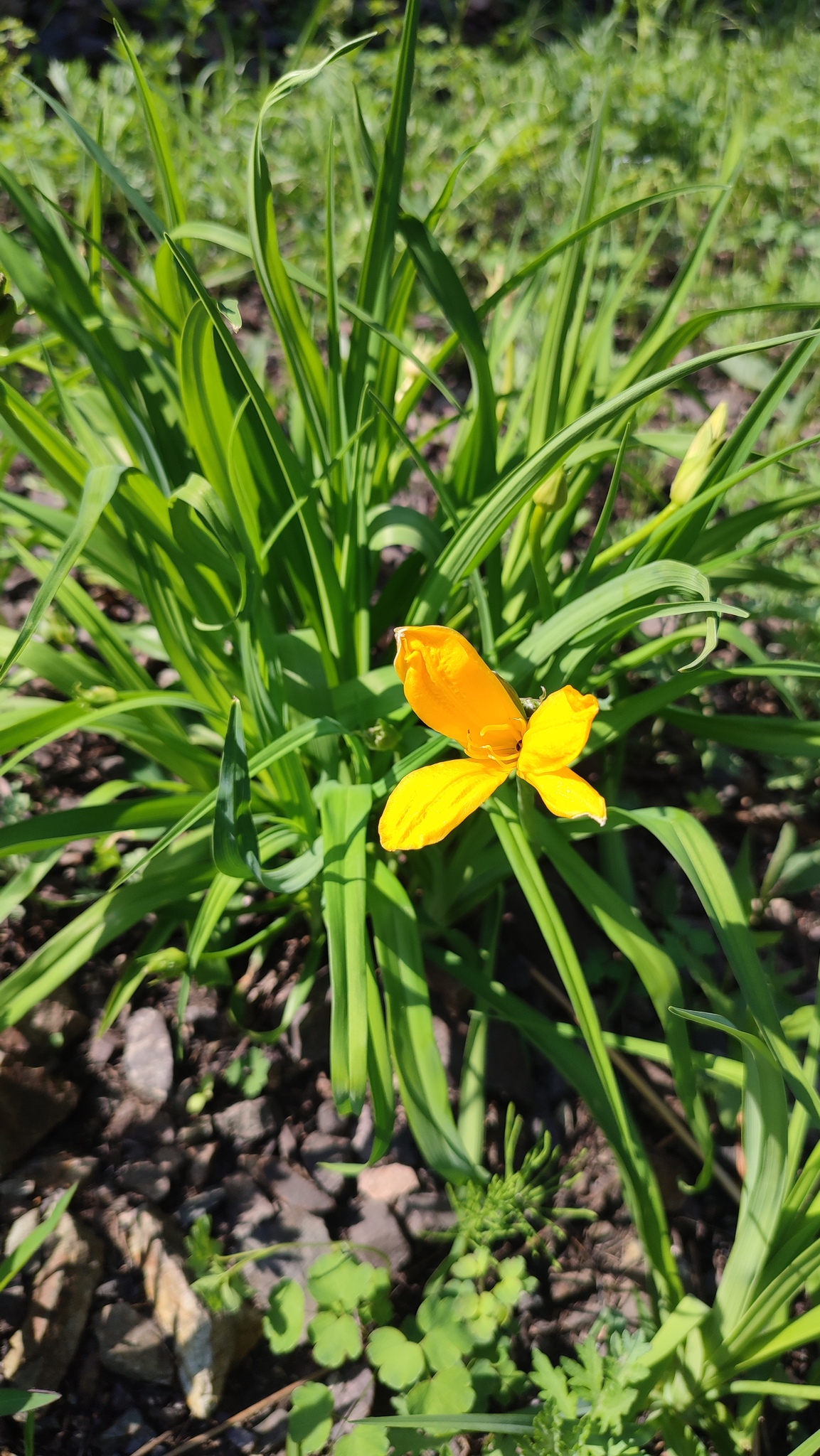
Amur Daylily
Hemerocallis middendorffii
☀️ Full Sun 💧 Moderate

Anemone Clematis
Clematis montana
☀️ Full Sun 💧 Moderate

Anomalous Peony
Paeonia anomala
☀️ Full Sun 💧 Moderate
Arctic Beauty Kiwi
Actinidia kolomikta
☀️ Partial Sun 💧 Moderate
Armand Pine
Pinus armandii
☀️ Full Sun 💧 Moderate

Asian Pear
Pyrus pyrifolia
☀️ Full Sun 💧 Moderate

Asian Plantain
Plantago asiatica
☀️ Full Sun 💧 Moderate

Asian Spruce
Picea schrenkiana
☀️ Full Sun 💧 Moderate

Asiatic Dogwood
Cornus officinalis
☀️ Full Sun 💧 Moderate

Asiatic Sweetleaf
Symplocos paniculata
☀️ Full Sun 💧 Moderate

Australian Laurel
Pittosporum tobira
☀️ Full Sun 💧 Low
Autumn Fern
Dryopteris erythrosora
☀️ Partial Shade 💧 Moderate

Autumn Monkshood
Aconitum carmichaelii
☀️ Partial Shade 💧 Moderate

Autumn Olive
Elaeagnus umbellata
☀️ Full Sun 💧 Low

Baikal Skullcap
Scutellaria baicalensis
☀️ Full Sun 💧 Low

Balloon Flower
Platycodon grandiflorus
☀️ Full Sun 💧 Moderate

Beauty Bush
Kolkwitzia amabilis
☀️ Full Sun 💧 Moderate

Benguet Pine
Pinus kesiya
☀️ Full Sun 💧 Moderate

Bhutan Pine
Pinus wallichiana
☀️ Full Sun 💧 Low

Black Bamboo
Phyllostachys nigra
☀️ Full Sun 💧 Moderate
Blackberry Lily
Iris domestica
☀️ Full Sun 💧 Moderate

Bleeding Heart
Lamprocapnos spectabilis
☀️ Partial Shade 💧 Moderate
Common Questions
Why do so many garden plants originate from China?
China contains over 30,000 plant species because its mountainous terrain escaped heavy glaciation during the last ice age. This geographic stability preserved ancient plant lineages and created varied microclimates ranging from alpine meadows to subtropical forests.
Are bamboos native to China invasive in home gardens?
Not all Chinese bamboos spread aggressively, as clumping species like umbrella bamboo (Fargesia murielae) expand by only 5-10 cm (2-4 in) per year. Running species require physical root barriers extending 60 cm (24 in) underground to prevent horizontal root spreading.
Can plants native to China survive freezing winter weather?
Many species native to central and northern China tolerate winter temperatures well below freezing, including Japanese apricot (Prunus mume) down to -15 °C (5 °F). Plants originating from southern provinces like Hainan require frost-free greenhouse conditions year-round.