Plants Native to East Africa
31 plant profiles · Discover plants native to East Africa, from indoor species like African violets to drought-tolerant trees like the pencil cactus and marula.
East Africa spans diverse ecosystems ranging from tropical cloud forests in eastern Tanzania to arid savannahs in Somalia and Kenya. Plants originating from this region reflect these microclimates, requiring either high humidity and indirect light or intense heat and low moisture. Understanding the native elevation and rainfall of your plant determines whether it needs constant moisture at 18-24 °C (65-75 °F) or dry soil under full sun.
For indoor growing, species from the shaded understories of cloud forests thrive on windowsill light. The popular African violet (Streptocarpus ionanthus) and asparagus fern (Asparagus setaceus) prefer consistent humidity above 50% and moist, well-draining potting soil. In contrast, semi-arid succulents like the pencil cactus (Euphorbia tirucalli) store water in fleshy green stems and survive drought conditions easily in warm homes.
Outdoor gardens and agricultural landscapes benefit from resilient East African woody plants and crops. The marula (Sclerocarya birrea) and toothbrush tree (Salvadora persica) thrive in dry, sandy soils with annual rainfall below 600 mm (24 in), while warm-season food crops like the cowpea (Vigna unguiculata) generate edible pods in temperatures exceeding 30 °C (86 °F). Selecting the right species requires matching your space to the plant's native habitat.

Abyssinian Banana
Ensete ventricosum
☀️ Full Sun 💧 High
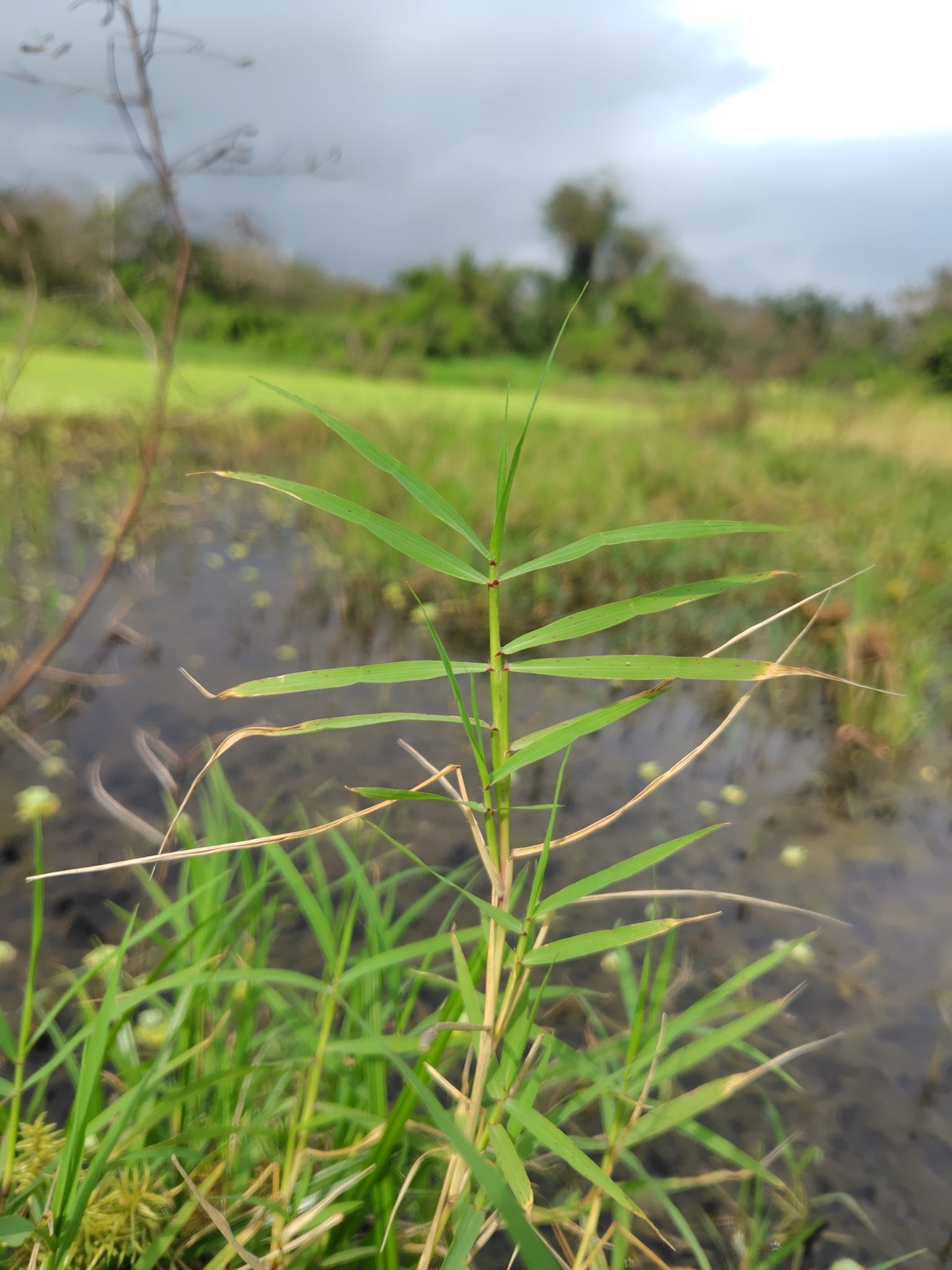
African Bermuda Grass
Cynodon nlemfuensis
☀️ Full Sun 💧 Moderate

African Nutmeg
Monodora myristica

African Violet
Streptocarpus ionanthus
☀️ Bright Indirect 💧 Moderate

Alexandrian Senna
Senna alexandrina
☀️ Full Sun 💧 Low

Asparagus Fern
Asparagus setaceus
☀️ Bright Indirect 💧 Moderate
Athel Pine
Tamarix aphylla
☀️ Full Sun 💧 Low

Bantigue
Pemphis acidula
☀️ Full Sun 💧 Moderate

Betel Nut Palm
Areca catechu
☀️ Full Sun 💧 High
Black-Eyed Susan Vine
Thunbergia alata
☀️ Full Sun 💧 Moderate

Busy Lizzie
Impatiens walleriana
☀️ Partial Shade 💧 High

Chinese Chaste Tree
Vitex negundo
☀️ Full Sun 💧 Low
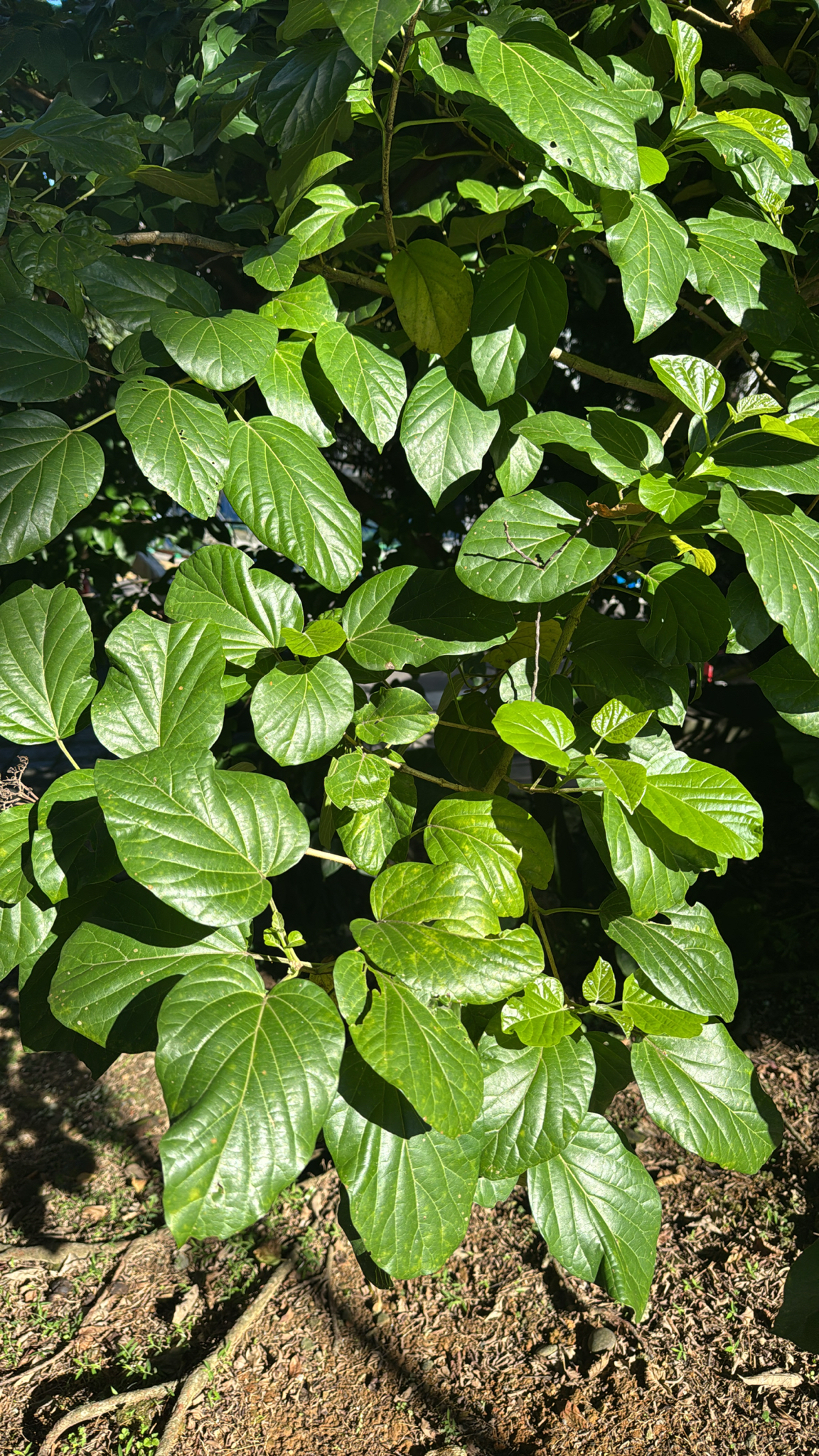
Coastal Premna
Premna serratifolia
☀️ Full Sun 💧 Moderate

Cowpea
Vigna unguiculata
☀️ Full Sun 💧 Low

Crimson Fountain Grass
Cenchrus setaceus
☀️ Full Sun 💧 Low

Desert Date
Balanites aegyptiaca
☀️ Full Sun 💧 Low

Ethiopian Mustard
Brassica carinata
☀️ Full Sun 💧 Moderate

Ethiopian Pepper
Xylopia aethiopica
☀️ Partial Sun 💧 High

Firecracker Flower
Crossandra infundibuliformis
☀️ Bright Indirect 💧 Moderate

Fringed Lavender
Lavandula dentata
☀️ Full Sun 💧 Low

Gboma Eggplant
Solanum macrocarpon
☀️ Full Sun 💧 High

Ginger Bush
Tetradenia riparia
☀️ Full Sun 💧 Moderate

Java Olive
Sterculia foetida
☀️ Full Sun 💧 Moderate

Kikuyu Grass
Cenchrus clandestinus
☀️ Full Sun 💧 Moderate
Common Questions
Which houseplants are native to East Africa?
African violets and asparagus ferns are two of the most widely grown houseplants native to East Africa. African violets originate from shaded coastal mountain forests in Tanzania and Kenya, while asparagus ferns grow natively in moist forest understories.
Are East African plants drought tolerant?
Many East African savannah species are highly drought tolerant, but mountain forest understory species require regular watering. Plants like pencil cactus and marula survive long dry periods by storing water or shedding foliage, whereas cloud forest species need moist soil.
What temperatures do East African plants prefer?
Most East African plants thrive between 18-30 °C (65-86 °F) and cannot tolerate frost below 10 °C (50 °F). Tropical mountain species need stable indoor warmth, while semi-arid savannah trees endure outdoor summer heat above 35 °C (95 °F).