Plants Native to Indochina
25 plant profiles · Explore trees, fruits, and flowers native to Indochina, including growth requirements, hardiness zones, and ideal soil conditions for home cultivation.
Plants native to Indochina originate from tropical monsoon and rainforest zones spanning Vietnam, Laos, Cambodia, Thailand, Myanmar, and Peninsular Malaysia. These species thrive under distinct wet and dry seasons, requiring warmth above 15 °C (59 °F) during active growth and relative humidity between 60% and 80%. The region hosts diverse plant habits, ranging from large canopy trees like sacred fig (Ficus religiosa) and bael (Aegle marmelos) to tender shade-loving annuals such as wishbone flower (Torenia fournieri).
When selecting plants from this geographic region, assess your local growing zone, winter minimum temperatures, and available space. Subtropical fruit trees like lychee (Litchi chinensis) require seasonal cool periods between 50 and 200 hours below 7 °C (45 °F) to trigger flower bud initiation, whereas tropical aromatic trees like ylang-ylang (Cananga odorata) drop foliage rapidly if exposed to temperatures under 10 °C (50 °F). For sunny, dry landscapes, tough shade trees such as neem (Azadirachta indica) perform reliably in deep, well-drained soils across USDA zones 10 through 12.
Most Indochinese flora prefer well-draining loamy soils with a pH of 5.5 to 6.5 and consistent watering during the summer growth phase. Container cultivation allows growers in colder climates to overwinter evergreen species indoors near bright, south-facing windows, provided indoor air humidity remains above 50%.

Apple of Sodom
Calotropis procera
☀️ Full Sun 💧 Low

Asian Pear
Pyrus pyrifolia
☀️ Full Sun 💧 Moderate

Bael
Aegle marmelos
☀️ Full Sun 💧 Low

Bahera
Terminalia bellirica
☀️ Full Sun 💧 Moderate

Bengal Clock Vine
Thunbergia grandiflora
☀️ Full Sun 💧 Moderate

Blue Trumpet Vine
Thunbergia laurifolia
☀️ Full Sun 💧 Moderate

Champak
Magnolia champaca
☀️ Full Sun 💧 Moderate

Chinese Smilax
Smilax glabra
☀️ Partial Shade 💧 Moderate

Chinese Violet
Telosma cordata
☀️ Full Sun 💧 Moderate

Cotton Fruit
Sandoricum koetjape
☀️ Full Sun 💧 Moderate

Indian Wood Apple
Limonia acidissima
☀️ Full Sun 💧 Low
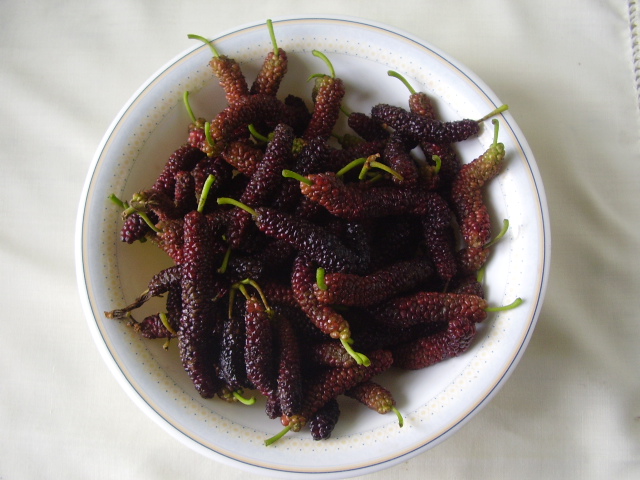
Long Mulberry
Morus macroura
☀️ Full Sun 💧 Moderate

Longan
Dimocarpus longan
☀️ Full Sun 💧 Moderate

Lychee
Litchi chinensis
☀️ Full Sun 💧 Moderate

Makrut Lime
Citrus hystrix
☀️ Full Sun 💧 Moderate

Malabar Nut
Justicia adhatoda
☀️ Full Sun 💧 Moderate

Monkey Jack
Artocarpus lacucha
☀️ Full Sun 💧 Moderate

Neem
Azadirachta indica
☀️ Full Sun 💧 Low

Noble Dendrobium Orchid
Dendrobium nobile
☀️ Bright Indirect 💧 Moderate
Palmarosa
Cymbopogon martini
☀️ Full Sun 💧 Moderate

Sacred Fig
Ficus religiosa
☀️ Full Sun 💧 Moderate

Soapnut
Sapindus mukorossi
☀️ Full Sun 💧 Moderate

Ta Khian Thong
Hopea odorata
☀️ Full Sun 💧 High

Wishbone Flower
Torenia fournieri
☀️ Partial Shade 💧 Moderate
Common Questions
Which Indochina native plants can grow in temperate climates?
Annual species like wishbone flower grow reliably as summer bedding plants in temperate zones, while fruit trees like lychee can be overwintered indoors in large containers. Herbaceous and fast-growing species perform best when planted after all danger of frost has passed.
What soil pH do plants native to Indochina prefer?
Most plants native to Indochina thrive in slightly acidic to neutral soils with a pH range between 5.5 and 6.5. Incorporating organic matter such as compost helps maintain this acidity while improving drainage.
How much relative humidity do Indochinese plants require?
Indochinese species generally require humidity levels between 60% and 80% to prevent leaf tip browning and sustain flower production. Indoor plants benefit from group placement or dedicated room humidifiers during winter heating cycles.