Plants Native to Indonesia
36 plant profiles · Discover 26 plant species native to Indonesia. Learn how to grow and care for tropical trees, indoor foliage, and fruit species in your climate.
Indonesia spans more than 17,000 islands across equatorial Southeast Asia, forming one of the most biodiverse plant regions on Earth. Plants native to this region evolved in humid tropical rainforests, volcanic slopes, and coastal lowlands where temperatures stay between 22-32 °C (72-90 °F) year-round. These species range from massive outdoor timber trees and unusual fruit crops to epiphytes and indoor foliage plants that thrive in warm homes.
When selecting an Indonesian species, choose based on your indoor space and local winter temperatures. Indoor growers often start with tropical foliage like the rubber plant (Ficus elastica) or sweetheart hoya (Hoya kerrii), which adapt to household humidity above 40%. Warm outdoor gardens in USDA zones 10-11 can accommodate fruit crops like salak (Salacca zalacca) or bilimbi (Averrhoa bilimbi), while botanical collectors seek out rare giants like the titan arum (Amorphophallus titanum).
Many Indonesian trees also carry economic and historical importance, including spice producers like clove (Syzygium aromaticum) and timber trees like Indian sandalwood (Santalum album). Providing consistent soil moisture, well-draining potting mixtures, and protection from temperatures below 15 °C (59 °F) ensures these equatorial species thrive in cultivation.

Agati
Sesbania grandiflora
☀️ Full Sun 💧 High

Bilimbi
Averrhoa bilimbi
☀️ Full Sun 💧 Moderate

Binjai
Mangifera caesia
☀️ Full Sun 💧 High

Black Wattle
Acacia mangium
☀️ Full Sun 💧 Moderate

Cedar Bay Cherry
Eugenia reinwardtiana
☀️ Full Sun 💧 Moderate
Chempedak
Artocarpus integer
☀️ Full Sun 💧 High

Chinese Photinia
Photinia serratifolia
☀️ Full Sun 💧 Moderate

Clove
Syzygium aromaticum
☀️ Full Sun 💧 High
Corpse Flower
Rafflesia arnoldi

Croton
Codiaeum variegatum
☀️ Bright Indirect 💧 Moderate

Earleaf Acacia
Acacia auriculiformis
☀️ Full Sun 💧 Low

Giant Swamp Taro
Cyrtosperma merkusii
☀️ Full Sun 💧 Aquatic

Guest Tree
Kleinhovia hospita
☀️ Full Sun 💧 Moderate

Indian Sandalwood
Santalum album
☀️ Full Sun 💧 Moderate

Java Cassia
Cassia javanica
☀️ Full Sun 💧 Moderate
Java Moss
Ectropothecium barbieri
☀️ Low Light 💧 Aquatic

Langsat
Lansium domesticum
☀️ Partial Sun 💧 High

Lipstick Plant
Aeschynanthus radicans
☀️ Bright Indirect 💧 Moderate
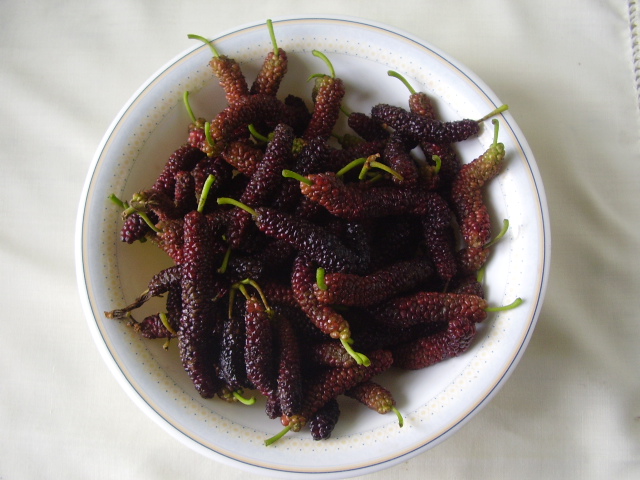
Long Mulberry
Morus macroura
☀️ Full Sun 💧 Moderate
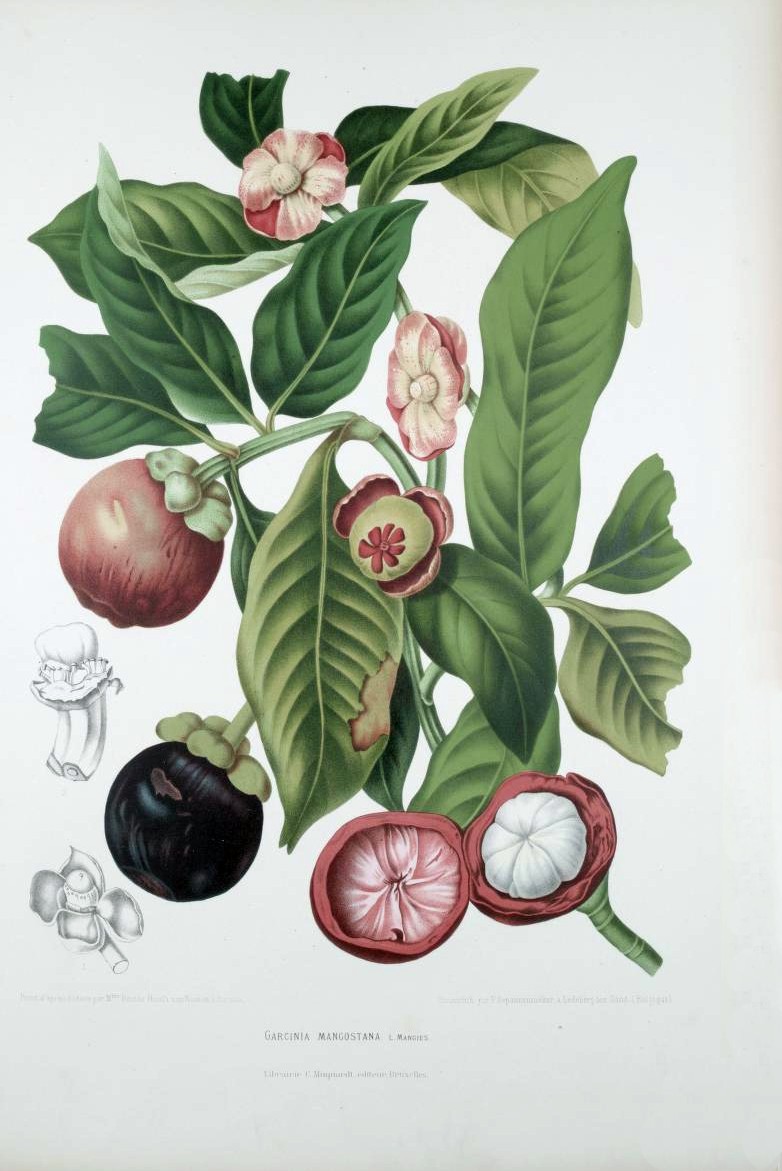
Mangosteen
Garcinia mangostana
☀️ Full Sun 💧 High

Moth Orchid
Phalaenopsis amabilis
☀️ Bright Indirect 💧 Low

Night-Flowering Jasmine
Nyctanthes arbor-tristis
☀️ Full Sun 💧 Moderate

Nutmeg
Myristica fragrans
☀️ Partial Sun 💧 High

Pandan
Pandanus amaryllifolius
☀️ Partial Sun 💧 High
Common Questions
Can plants native to Indonesia grow outdoors in cold climates?
No, Indonesian native plants cannot survive frost or outdoor temperatures below 10 °C (50 °F). In temperate climates, grow tropical Indonesian species like sweetheart hoya indoors year-round or bring container plants inside before autumn night temperatures drop.
What soil type do Indonesian tropical plants need?
Indonesian plants require rich, fast-draining soil with a pH between 5.5 and 6.5. Mix equal parts peat moss or coconut coir, coarse perlite, and compost to replicate the moist, nutrient-rich floor of Indonesian rainforests without trapping excess water around roots.
How much humidity do plants from Indonesia require?
Most Indonesian plants thrive best in relative humidity levels of 60% or higher. While adaptable foliage plants tolerate standard household levels near 40%, placing a humidifier nearby prevents brown leaf tips on tropical rainforest species.
Are Indonesian fruit trees hard to grow from seed?
Indonesian fruit seeds lose viability quickly and must be planted fresh in warm soil kept at 25-30 °C (77-86 °F). Species like salak require high heat and constant moisture to germinate, often taking two to six weeks to sprout.