Plants Native to Nepal: Growing and Care Guide
19 plant profiles · Discover plants native to Nepal, from Himalayan trees to tropical spices. Learn climate zones, soil requirements, and growing tips for Nepalese species.
Plants native to Nepal originate from an extreme elevational gradient ranging from tropical Terai lowlands below 300 m (980 ft) to high alpine Himalayan slopes above 4,000 m (13,000 ft). This geographical variation means species from Nepal require vastly different garden environments, spanning tropical moisture to sub-zero mountain cold.
Select species from this region by matching your local climate to the plant's native elevation. High-altitude canopy trees like the deodar cedar (Cedrus deodara), tree rhododendron (Rhododendron arboreum), and Himalayan horse-chestnut (Aesculus indica) thrive in cool, moist temperate zones down to USDA hardiness zone 7, preferring acidic soil with a pH between 4.5 and 6.0. Shrub species like Himalayan honeysuckle (Leycesteria formosa) tolerate winter temperature drops down to -15 °C (5 °F) while providing shelter in damp borders.
Lowland and mid-hill species demand frost-free shelter or warm summer growing seasons. Culinary crops like black cardamom (Amomum subulatum) and Indian bay leaf (Cinnamomum tamala) require humidity levels above 60 percent and protection from freezing winds. Shade-tolerant foliage like mondo grass (Ophiopogon japonicus) works as ground cover in zones 7 through 10, staying evergreen down to -12 °C (10 °F).
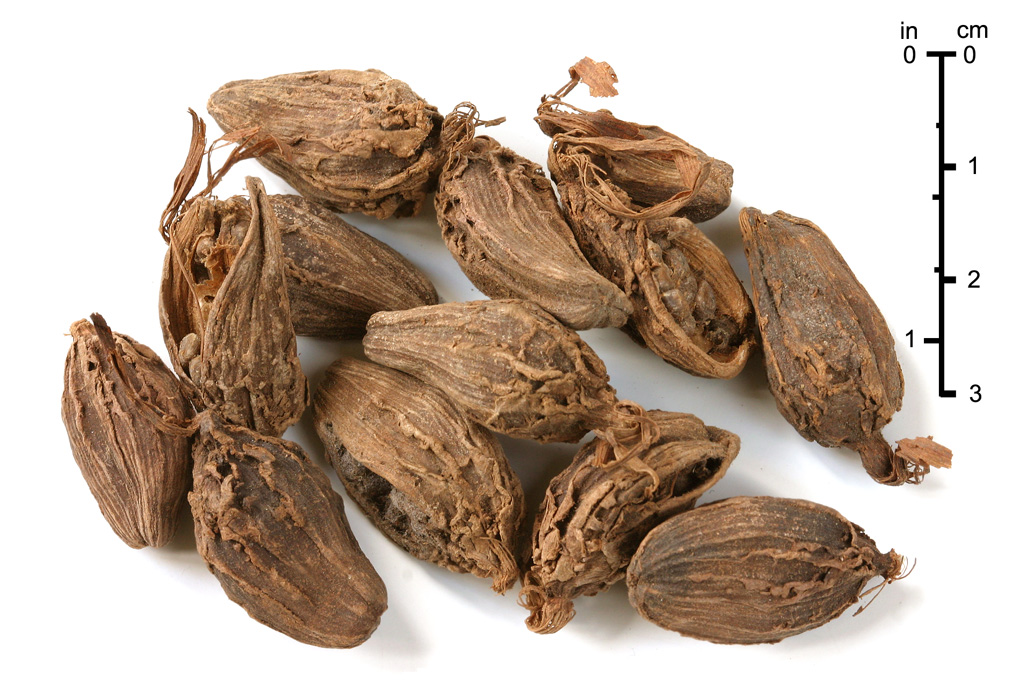
Black Cardamom
Amomum subulatum
☀️ Partial Shade 💧 High

Chir Pine
Pinus roxburghii
☀️ Full Sun 💧 Low
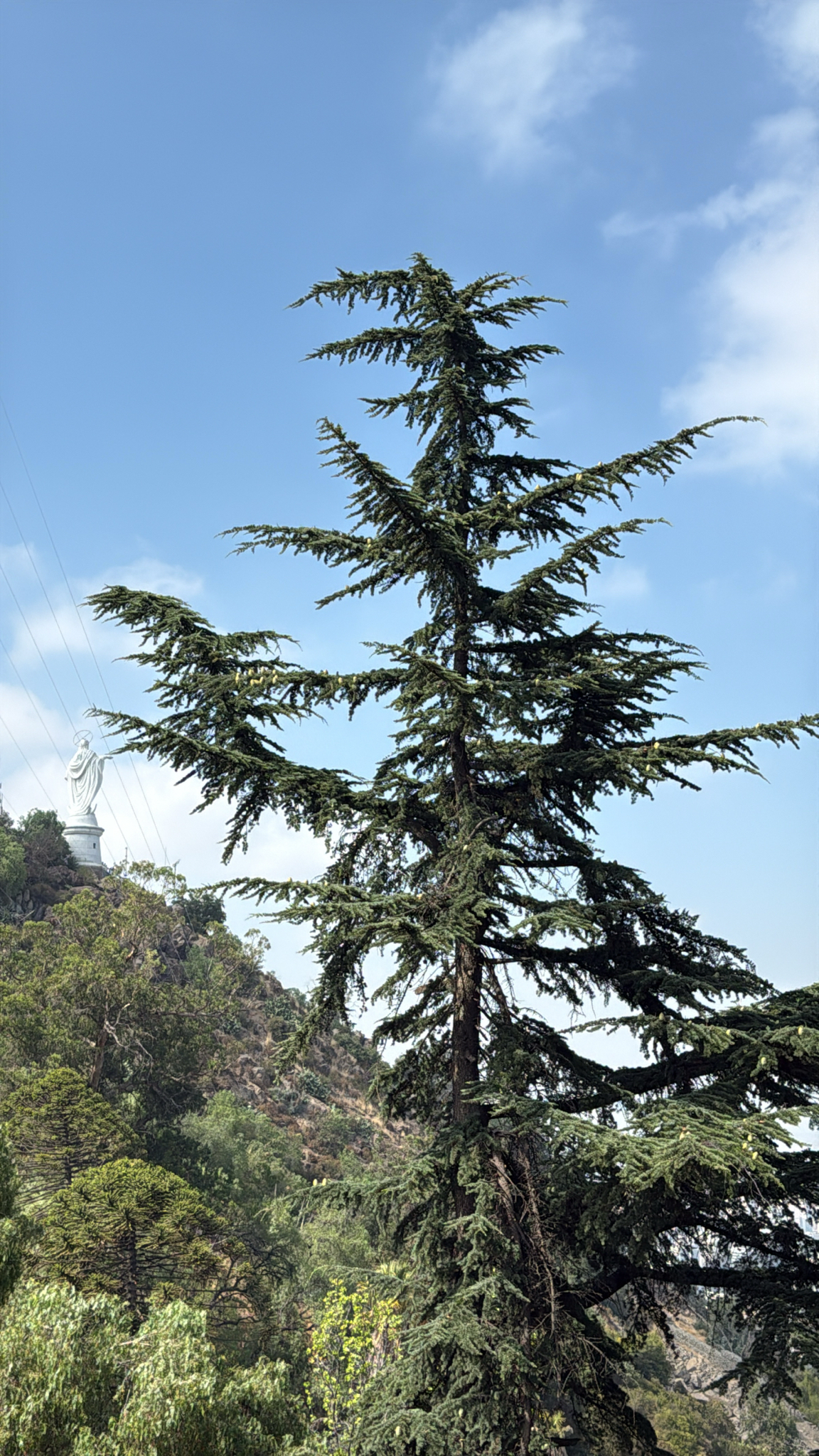
Deodar Cedar
Cedrus deodara
☀️ Full Sun 💧 Low

Drooping Juniper
Juniperus recurva
☀️ Full Sun 💧 Moderate

Haritaki
Terminalia chebula
☀️ Full Sun 💧 Moderate

Himalayan Cotoneaster
Cotoneaster simonsii
☀️ Partial Sun 💧 Moderate

Himalayan Honeysuckle
Leycesteria formosa
☀️ Full Sun 💧 Moderate

Himalayan Horse-Chestnut
Aesculus indica
☀️ Full Sun 💧 Moderate

Indian Barnyard Millet
Echinochloa frumentacea
☀️ Full Sun 💧 High

Indian Bay Leaf
Cinnamomum tamala
☀️ Full Sun 💧 Moderate

Kahili Ginger
Hedychium gardnerianum
☀️ Partial Sun 💧 High

Mahua Tree
Madhuca longifolia
☀️ Full Sun 💧 Low

Mondo Grass
Ophiopogon japonicus
☀️ Partial Shade 💧 Moderate

Night-Flowering Jasmine
Nyctanthes arbor-tristis
☀️ Full Sun 💧 Moderate

Pointed Gourd
Trichosanthes dioica
☀️ Full Sun 💧 Moderate

Red Spider Lily
Lycoris radiata
☀️ Full Sun 💧 Moderate

Sichuan Pepper
Zanthoxylum bungeanum
☀️ Full Sun 💧 Moderate

Tree Rhododendron
Rhododendron arboreum
☀️ Partial Sun 💧 Moderate

Wild Date Palm
Phoenix sylvestris
☀️ Full Sun 💧 Low
Common Questions
What climate zones suit plants native to Nepal?
Plants native to Nepal cover USDA hardiness zones 4 through 11 due to the country's broad elevation range. Alpine and Himalayan species tolerate severe cold down to -20 °C (-4 °F), whereas lowland Terai species require frost-free subtropical environments.
Do Nepalese mountain plants require acidic soil?
High-elevation species from Nepal generally require acidic soil with a pH of 4.5 to 6.0. Plants like rhododendrons and mountain conifers develop leaf chlorosis if planted in alkaline soils with a pH above 7.0.
Which plants from Nepal can be grown indoors?
Subtropical understory species such as mondo grass and young Indian bay leaf trees adapt well to indoor growth. Provide bright indirect light and maintain ambient humidity above 50 percent for optimal leaf development.