Plants Native to Northern Australia
19 plant profiles · Discover plants native to Northern Australia, from canopy trees to ferns, adapted to monsoonal climates, summer heat, and seasonal wet-dry cycles.
Plants originating in Northern Australia thrive in tropical and subtropical monsoonal environments defined by high heat and distinct wet-dry cycles. Native species handle summer temperatures between 25–38 °C (77–100 °F) accompanied by torrential rainfall, followed by extended periods of dry winter weather. Soil preferences range from saturated coastal estuaries to fast-draining sandstone soils.
Selecting the right species depends on your available space and light levels. Large canopy trees such as the red silk-cotton tree (Bombax ceiba), cluster fig (Ficus racemosa), and yellow flame tree (Peltophorum pterocarpum) reach mature heights of 15–30 m (50–100 ft) and require full sun. For damp soils or water margins, wetland species like the nipa palm (Nypa fruticans) and jointed flatsedge (Cyperus articulatus) thrive in standing water. Compact options include shatavari (Asparagus racemosus) and the tuberous sword fern (Nephrolepis cordifolia), which suit shadier understory conditions.
Most Northern Australian native plants require frost-free conditions and fail when winter temperatures fall below 5 °C (41 °F). Species like the air potato (Dioscorea bulbifera) form tubers and grow vigorously during humid summers, entering semi-dormancy in winter. Mimic their native environment by providing abundant water from late spring through autumn, then allowing the top 5 cm (2 in) of soil to dry out between waterings in winter.

Air Potato
Dioscorea bulbifera
☀️ Full Sun 💧 Moderate

Elephant Foot Yam
Amorphophallus paeoniifolius
☀️ Full Sun 💧 Moderate

Guest Tree
Kleinhovia hospita
☀️ Full Sun 💧 Moderate

Indian Coral Tree
Erythrina variegata
☀️ Full Sun 💧 Moderate

Jointed Flatsedge
Cyperus articulatus
💧 Aquatic

Musk Mallow
Abelmoschus moschatus
☀️ Full Sun 💧 Moderate

Nipa Palm
Nypa fruticans
☀️ Full Sun 💧 Aquatic

Polynesian Arrowroot
Tacca leontopetaloides
☀️ Partial Shade 💧 Moderate

Pongam
Pongamia pinnata
☀️ Full Sun 💧 Moderate

Red Silk-Cotton Tree
Bombax ceiba
☀️ Full Sun 💧 Moderate

Sacred Lotus
Nelumbo nucifera
☀️ Full Sun 💧 Aquatic
Shalparni
Desmodium gangeticum
☀️ Partial Shade 💧 Moderate

Shatavari
Asparagus racemosus
☀️ Full Sun 💧 Moderate

Siris Tree
Albizia lebbeck
☀️ Full Sun 💧 Moderate

Spanish Cherry
Mimusops elengi
☀️ Full Sun 💧 Moderate

Tuberous Sword Fern
Nephrolepis cordifolia
☀️ Bright Indirect 💧 Moderate
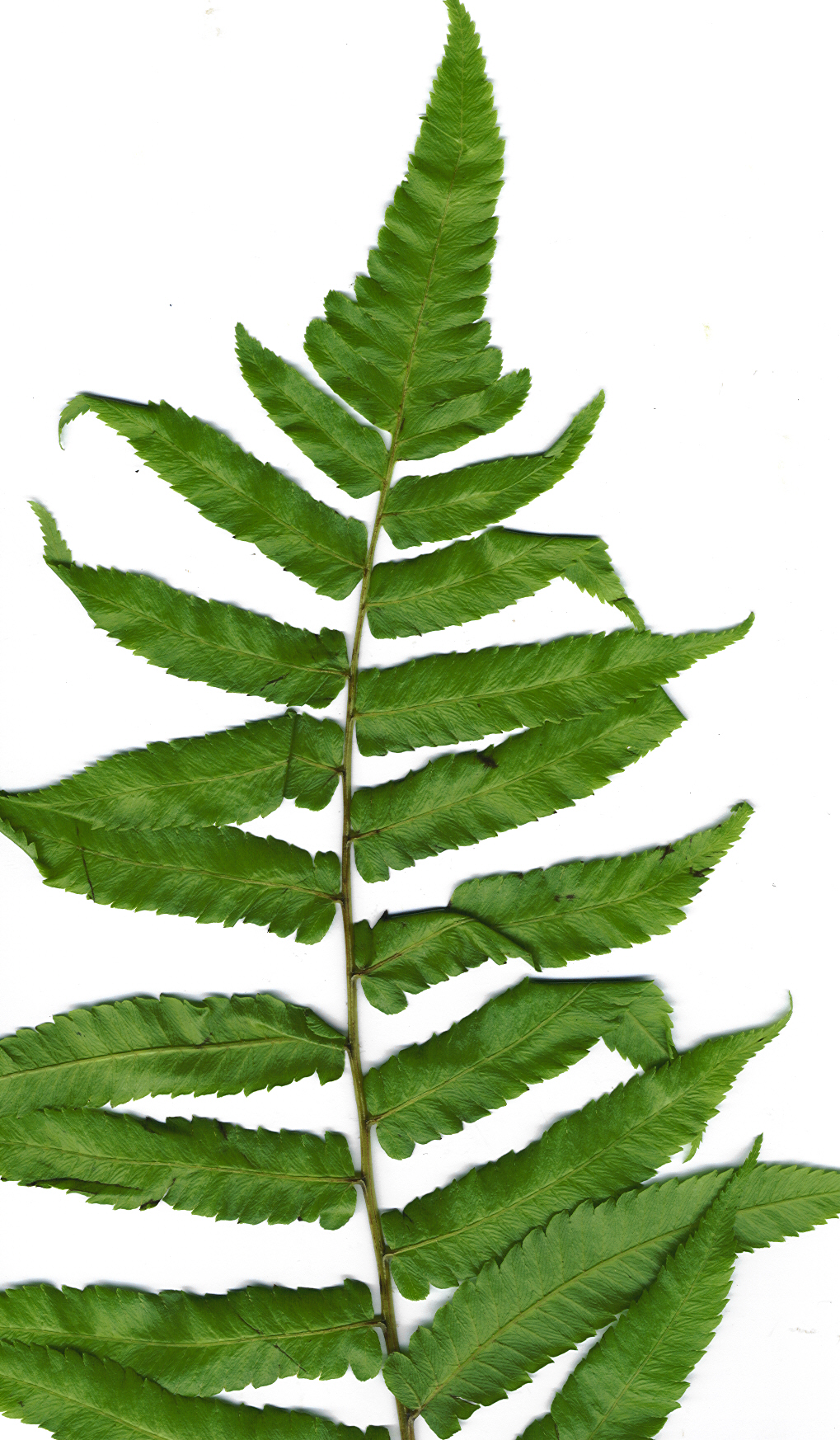
Vegetable Fern
Diplazium esculentum
☀️ Partial Shade 💧 High

Water Spinach
Ipomoea aquatica
☀️ Full Sun 💧 Aquatic
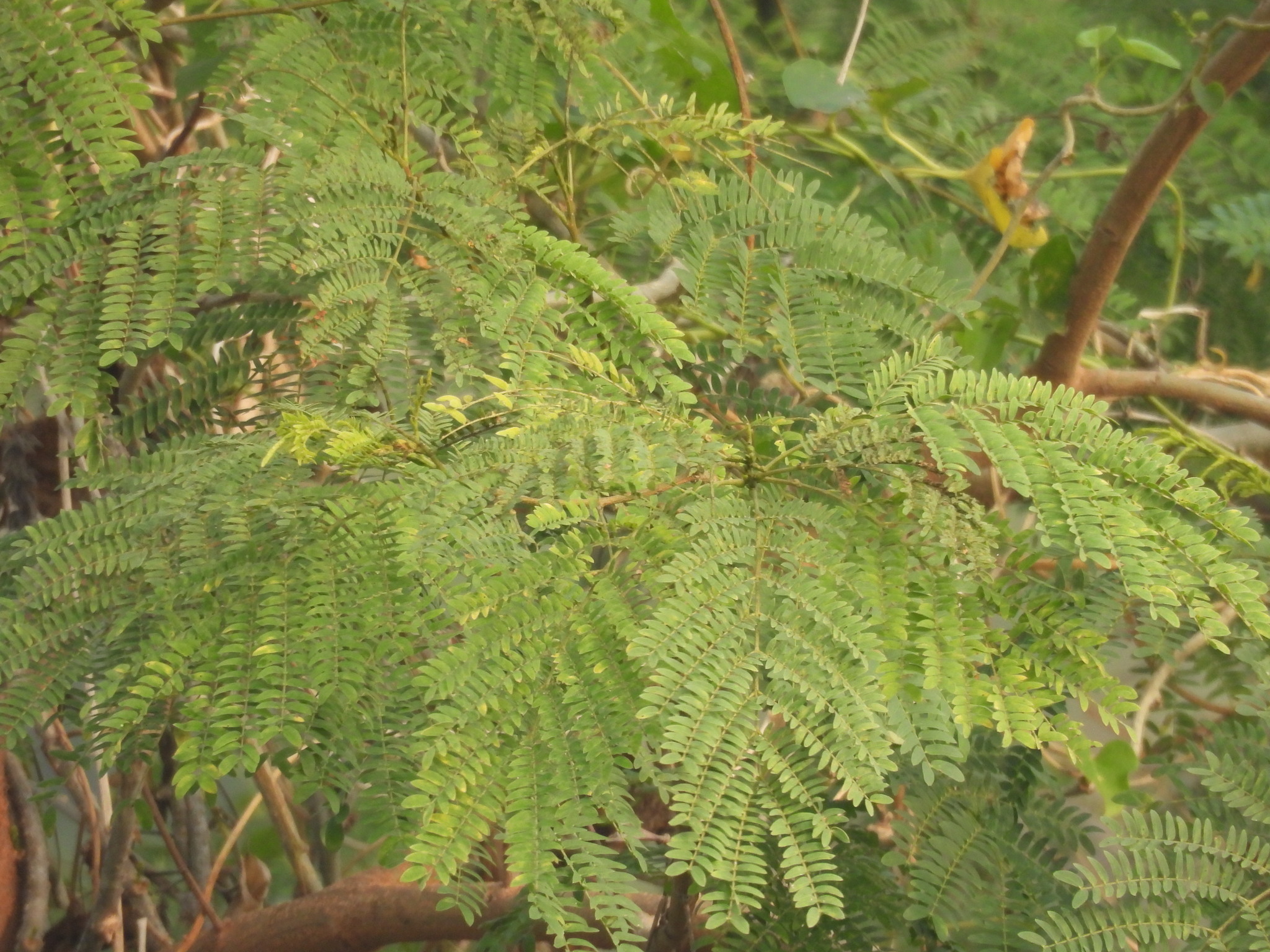
Yellow Flame Tree
Peltophorum pterocarpum
☀️ Full Sun 💧 Moderate
Common Questions
What climate do Northern Australian native plants prefer?
Northern Australian plants prefer a wet-dry tropical climate with summer temperatures between 25–35 °C (77–95 °F) and high atmospheric humidity.
Can Northern Australian plants survive frost?
Most Northern Australian native plants cannot survive frost and suffer leaf drop and tissue damage below 5 °C (41 °F).
How often should you water plants from Northern Australia?
Water Northern Australian plants two to three times per week during summer active growth, then reduce watering to once every two weeks during winter dormancy.
Which Northern Australian plants grow well in containers?
Tuberous sword fern and shatavari grow well in pots, provided containers have bottom drainage holes and a loose soil mix.