
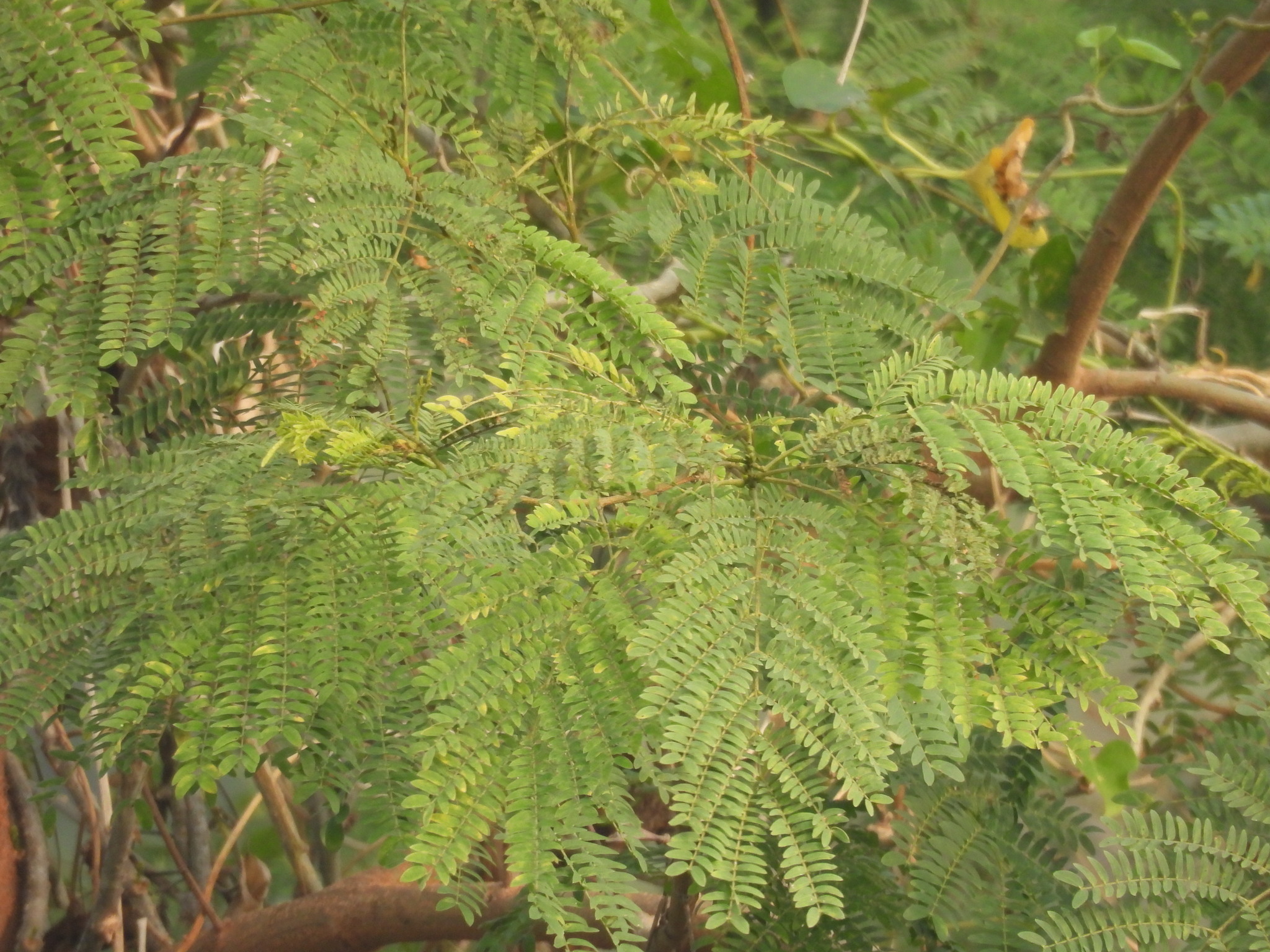
The yellow flame tree (Peltophorum pterocarpum) is a large, spreading canopy tree belonging to the Fabaceae family, native to tropical coastal regions from Indo-China to northern Australia. It is widely planted across the tropics for its dense shade and dense panicles of fragrant, crinkled golden-yellow blossoms that appear during the warmer months.
Growing up to 24 m (80 ft) tall in ideal conditions, this species requires ample space and full sun to reach its structural potential. It makes a striking street tree or large garden specimen, though its spreading root system and heavy pod drop require careful placement away from structures.
Key Facts
- Light: Full sun
- Water: Low to moderate once established
- Hardiness: USDA Zones 10 to 12
- Growth: Fast-growing
- Flowers: Bright yellow in summer
Is the Yellow Flame Tree Right for Your Garden
The yellow flame tree suits large tropical and subtropical landscapes with adequate horizontal space for a wide, umbrella-shaped canopy. It demands full overhead sun and performs poorly if shaded by larger structures or neighboring trees.
- Requires a minimum clearance of 10 m (33 ft) from paved pathways due to surface roots.
- Suited for urban environments in Singapore, Malaysia, and coastal Australia due to high salt tolerance.
- Drops numerous seed pods and flowers, requiring seasonal cleanup beneath the canopy.
If you have a spacious lawn or acreage in frost-free regions, this species delivers rapid shade and brilliant seasonal color with minimal long-term intervention.
How to Identify Yellow Flame Tree Leaves and Flowers
You can identify the yellow flame tree by its bipinnate leaves and rusty-brown seed pods that persist on the branches. The foliage consists of 10 to 20 pairs of leaflets per pinna, each leaf measuring up to 60 cm (24 inches) in total length.
- Flowers: Bright yellow, heavily crinkled petals measuring about 2.5 cm (1 inch) across, emerging in large terminal panicles.
- Pods: Flat, woody pods that start red and mature to a dark coppery brown, giving the plant its alternative name of copperpod.
- Bark: Smooth greyish bark that becomes rougher and fissured on mature trunks exceeding 50 cm (20 inches) in diameter.
This distinct combination of feathery foliage and coppery seed clusters separates it from other tropical canopy trees.
What Size Does a Yellow Flame Tree Grow To
A mature yellow flame tree typically reaches a height of 15 to 24 m (50 to 80 ft) with an equally broad, spreading crown. In urban settings with restricted root zones, specimens often top out closer to 10 m (33 ft).
- Growth rate exceeds 1 m (3.3 ft) per year in young specimens receiving ample moisture.
- Canopy spread frequently matches or exceeds the total height, creating a wide umbrella of shade.
- Trunk diameters expand rapidly, occasionally developing buttress roots in damp soil conditions.
Account for this immense mature footprint before planting young nursery stock near boundary lines or utility wires.
Choosing the Best Site for Planting
Select a planting location that receives at least 6 to 8 hours of direct sunlight daily. The species thrives in tropical and subtropical climates where temperatures rarely drop below 4 °C (40 °F).
- Position at least 8 m (26 ft) away from sewer lines, swimming pools, and concrete driveways.
- Ensure the site has unimpeded sunlight overhead to prevent a sparse, leggy canopy structure.
- Avoid low-lying hollows where standing water persists for more than 48 hours after heavy rain.
Site selection dictates the long-term stability and flowering density of your specimen.
How to Plant Yellow Flame Tree Seeds and Saplings
Plant container-grown saplings or scarified seeds at the start of the wet season to establish deep roots naturally. For seeds, nick the hard outer seed coat and soak in warm water for 24 hours before sowing in standard potting mix.
- Dig a planting hole twice as wide as the root ball but no deeper than the top root flare.
- Backfill with native soil, avoiding heavy amendments that discourage roots from spreading outward.
- Apply a 7 cm (3 inch) layer of organic mulch around the basin, keeping the mulch 10 cm away from the trunk.
Water the newly planted sapling thoroughly with 20 liters (5 gallons) of water immediately after installation.
Ongoing Care and Maintenance
Established trees require very little supplemental irrigation, relying entirely on seasonal rainfall in regions like northern Australia and the Philippines. Young trees benefit from watering once a week during dry spells lasting longer than 14 days.
- Fertilize young trees once every spring using a balanced, slow-release 10-10-10 granular formula.
- Clear fallen leaf litter and dried pods from turf areas to prevent lawn smothering and fungal spot.
- Inspect the canopy annually for crossing branches or weak branch attachments.
Once past the three-year establishment mark, the tree handles drought periods with ease.
Pruning and Shaping Your Tree
Prune your yellow flame tree during the dry season or immediately after flowering finishes to maintain a strong central leader. Remove any low-hanging branches that obstruct pedestrian pathways or vehicular traffic beneath the 2.5 m (8 ft) clearance mark.
- Cut away dead, diseased, or damaged wood using sanitized bypass loppers.
- Thin out dense interior branches to allow wind to pass through the crown during tropical storm seasons.
- Never remove more than 25 percent of the total canopy foliage in a single growing season.
Proper structural pruning prevents storm damage and heavy limb failure as the tree matures.
Common Problems and Pests
The yellow flame tree is generally hardy, but caterpillar infestations and root rot occasionally impact plant health. Defoliating caterpillars can strip leaves rapidly during warm humid months but rarely kill a healthy mature specimen.
- Caterpillars: Treat heavy infestations with biological insecticides containing Bacillus thuringiensis.
- Root Rot: Improve surrounding soil drainage if lower leaves turn yellow and drop prematurely.
- Sooty Mold: Wash away sticky aphid residue from leaves using a strong jet of water from a garden hose.
Monitoring foliage density monthly helps catch pest activity before significant aesthetic damage occurs.
Winter Care in Cooler Climates
This species cannot tolerate sustained freezing temperatures and suffers severe dieback if exposed to frost below 0 °C (32 °F). In marginal zones like USDA Zone 9, protect young plants with frost cloth during unseasonal cold snaps.
- Withhold all nitrogen fertilizers by late summer to encourage wood to harden off before winter.
- Reduce watering frequency by half during cooler months to prevent soggy, cold root zones.
- Container-grown specimens must be moved indoors into a greenhouse or bright sunroom before the first autumn frost.
Protecting the root collar with thick mulch guards against unexpected light chills.
Traditional Uses and Benefits
The wood of the yellow flame tree was traditionally used for light construction, cabinetry, and boat building across its native range. The bark yields a dark reddish-brown dye traditionally utilized in Southeast Asia for coloring fabrics and fishing nets.
- Extracts from the bark and leaves have a history in traditional medicine for treating minor skin ailments.
- Valued in urban forestry programs for reducing ambient urban temperatures through dense canopy shade.
- Acts as a vital nectar source for native bees, butterflies, and insectivorous birds during summer.
These ecological and cultural attributes make it a valued component of tropical agroforestry.
Yellow Flame Tree Care Through the Seasons
| Spring | Apply a balanced slow-release fertilizer around the drip line. Inspect structural branches and prune away any winter damage. |
|---|---|
| Summer | Enjoy peak golden blooms and provide supplemental water if rainfall drops below 2.5 cm (1 inch) per week. Clear fallen petals if necessary. |
| Autumn | Prepare for heavy seed pod drop by raking up debris regularly. Reduce watering intervals to help the wood harden off. |
| Winter | Keep soil relatively dry and apply frost protection if temperatures approach freezing. Inspect trunk base for any signs of rot. |
Diagnosing Yellow Flame Tree Problems
| What you see | Likely cause | What to do |
|---|---|---|
| Yellowing lower leaves and premature leaf drop | Overwatering or poorly draining soil | Improve surface drainage around the root zone and withhold irrigation until soil dries. |
| Chewed foliage and skeletonized leaves | Caterpillar activity | Spray affected foliage with an organic Bacillus thuringiensis solution. |
| Sticky leaves covered in black powdery residue | Aphids or scale insects excreting honeydew | Wash the canopy with a high-pressure hose and apply insecticidal soap. |
| Lack of summer flowers | Insufficient sunlight or excessive nitrogen fertilizer | Prune surrounding canopy trees to increase direct sun exposure and halt nitrogen applications. |
Popular Cultivars and Related Species
- Peltophorum pterocarpum ‘Compactum’ – smaller dwarf habit suitable for medium gardens
- Peltophorum dasyrachis – similar yellow-flowering species with distinct pubescent twigs
Frequently Asked Questions
How fast does a yellow flame tree grow?
A yellow flame tree is a fast grower, adding up to 1 to 1.5 m (3 to 5 ft) of height per year when young and provided with full sun and adequate moisture.
What is the difference between a yellow flame tree and a rain tree?
While both belong to the Fabaceae family, the yellow flame tree (Peltophorum pterocarpum) produces bright yellow blooms and coppery pods, whereas the rain tree (Samanea saman) features pink powder-puff flowers and sweet edible pods.
Is the yellow flame tree invasive?
The yellow flame tree is not generally classified as invasive outside its native range, though it produces many seeds that germinate readily in disturbed tropical soils.
Are yellow flame tree roots invasive?
Yellow flame trees develop strong, spreading surface roots as they mature, which can occasionally lift nearby sidewalks or damage shallow underground pipes if planted too close.
What causes a yellow flame tree not to bloom?
Lack of direct sunlight is the primary reason for a lack of blooms; ensure the tree receives at least 6 hours of full sun daily.
Information about traditional or historical uses is provided for educational interest only and is not medical advice. Do not use any plant to treat a condition without speaking to a qualified professional.
Sources & Verification
Taxonomy and distribution are checked against the databases below. Care guidance is written for cultivated species only and reviewed by our editor. How We Build Plant Profiles →