Plants Native to Northern Europe
34 plant profiles · Explore plants native to Northern Europe, from creeping thyme to lingonberry. Learn their cold hardiness, soil needs, and ideal landscape uses.
Plants native to Northern Europe are adapted to short summers, freezing winters down to -40 °C (-40 °F), and nutrient-poor or acidic soils. These species range from arctic-alpine groundcovers to boreal evergreen trees. Most require full sunlight and well-draining soil to prevent winter root rot in milder or wetter climates.
For edible harvests, groundcover lingonberry (Vaccinium vitis-idaea) produces sour red berries in acidic soil, while honeyberry (Lonicera caerulea) yields sweet blue fruit as early as June. Tall structural options include scots pine (Pinus sylvestris), an evergreen tree reaching 15–35 m (50–115 ft) tall. Low-growing species include creeping thyme (Thymus serpyllum), which forms dense mats over gravelly soil, garden angelica (Angelica archangelica), a biennial herb growing 1.5–2.5 m (5–8 ft) high in damp ground, and coastal oysterleaf (Mertensia maritima), which features silver leaves with an oyster-like flavor.
Select species based on your site conditions. Choose dwarf shrubs and creeping groundcovers for rock gardens, dry stone walls, or exposed containers. Plant forest edge species like honeyberry and lingonberry in organic, moisture-retentive soil with a pH of 4.5 to 6.0 for reliable fruit production.

Alpine Clubmoss
Diphasiastrum alpinum
☀️ Full Sun 💧 Moderate

Arctic Blackberry
Rubus arcticus

Beach Pea
Lathyrus japonicus
☀️ Full Sun 💧 Moderate
Bearberry
Arctostaphylos uva-ursi
☀️ Full Sun 💧 Low
Cloudberry
Rubus chamaemorus
☀️ Full Sun 💧 High

Cowbane
Cicuta virosa
☀️ Full Sun 💧 Aquatic

Creeping Sedge
Carex chordorrhiza
💧 High

Creeping Thyme
Thymus serpyllum
☀️ Full Sun 💧 Low
Downy Birch
Betula pubescens

Few-Flowered Sedge
Carex pauciflora
☀️ Full Sun 💧 High

Garden Angelica
Angelica archangelica
☀️ Partial Sun 💧 High

Greenflowered Wintergreen
Pyrola chlorantha

Heartleaf Twayblade
Neottia cordata
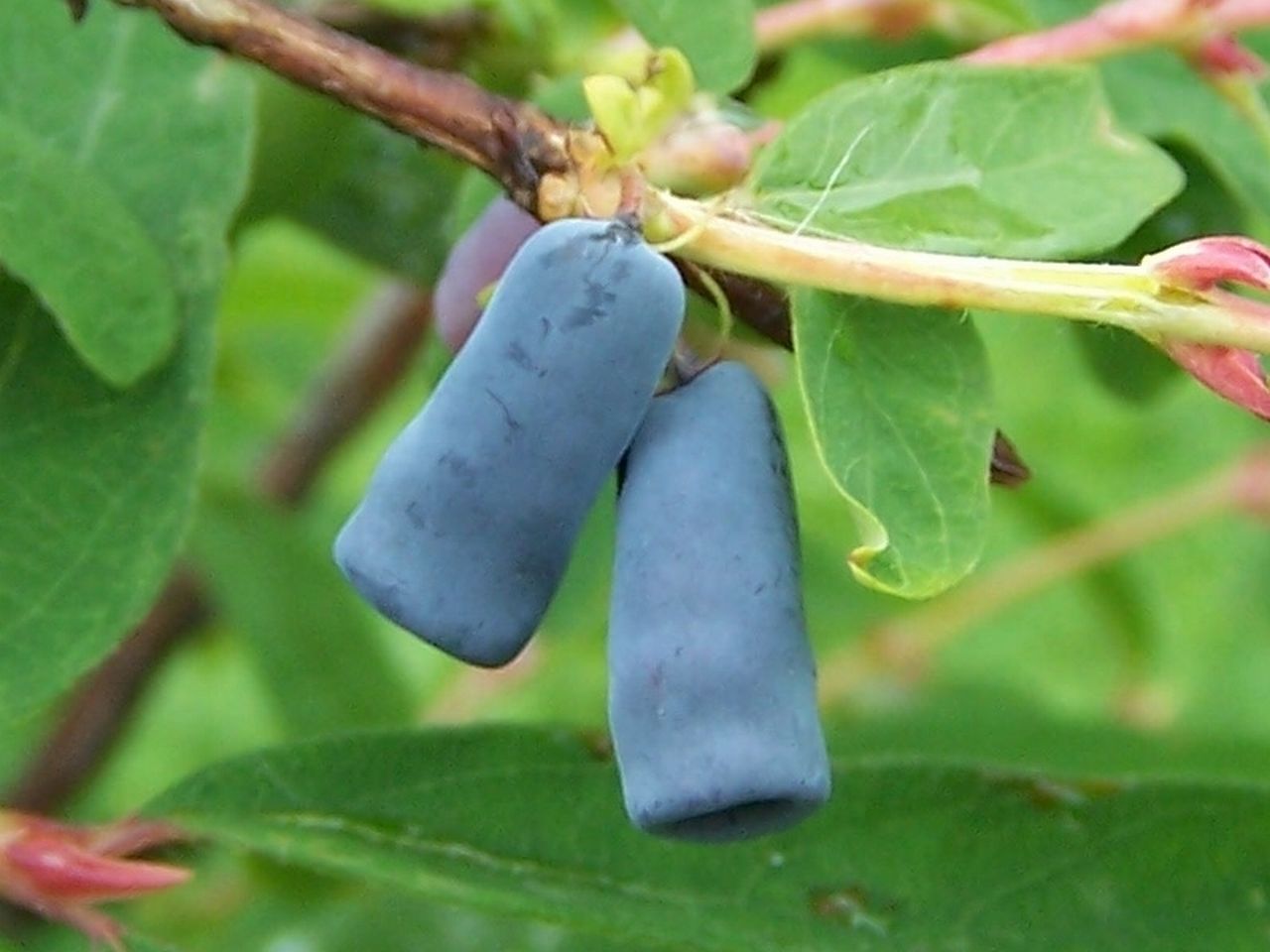
Honeyberry
Lonicera caerulea
☀️ Full Sun 💧 Moderate
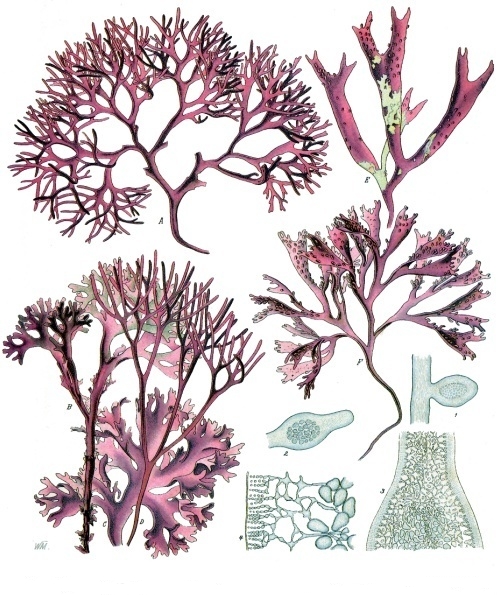
Irish Moss
Chondrus crispus
💧 Aquatic

Jenny’s Stonecrop
Petrosedum rupestre
☀️ Full Sun 💧 Low

Lingonberry
Vaccinium vitis-idaea
☀️ Full Sun 💧 Moderate
Marsh Labrador Tea
Rhododendron tomentosum
☀️ Full Sun 💧 High

Marsh Saxifrage
Saxifraga hirculus
☀️ Full Sun 💧 High

Mountain Sorrel
Oxyria digyna
☀️ Full Sun 💧 Moderate

Net-Leaved Willow
Salix reticulata
☀️ Full Sun 💧 Moderate

Northern Dock
Rumex longifolius
☀️ Full Sun 💧 Moderate

Northern Dog Rose
Rosa caesia
☀️ Full Sun 💧 Moderate

Northern Yellow-Cress
Rorippa islandica
💧 High
Common Questions
What climate conditions do Northern European native plants prefer?
Most Northern European plants thrive in USDA hardiness zones 2 through 6, requiring cool summers and a distinct winter dormancy period. They often struggle in regions with high humidity or night temperatures consistently above 22 °C (72 °F).
Do Northern European native plants need acidic soil?
Many heathland species require acidic soil with a pH of 4.5 to 5.5, while alpine and coastal species prefer neutral to alkaline ground. Woodland plants like lingonberry develop leaf chlorosis if planted in lime-heavy soils.
How do you care for Northern European plants during summer heatwaves?
Apply a 5–7 cm (2–3 in) mulch layer around the base to keep root zones below 20 °C (68 °F) during heatwaves. Water deeply early in the morning to maintain soil moisture without saturating foliage.