Plants Native to the Philippines
38 plant profiles · Discover plants native to the Philippines, from indoor hoyas to tropical fruit trees. Learn growing conditions, lighting, and humidity needs.
Plants native to the Philippines originate from an equatorial tropical archipelago shaped by high humidity, seasonal monsoons, and distinct microclimates ranging from coastal rainforests to high-altitude pine ridges. Most species in this group thrive in warm temperatures above 18 °C (65 °F) and require ambient humidity levels between 60% and 80%. When choosing a Philippine native plant for your space, match its native elevation to your growing conditions. Lowland tropical species demand intense warmth and moisture, while mountain species tolerate cooler nighttime drops.
Indoor options include epiphytic climbers and vining houseplants that adapt well to household containers. Satin pothos (Scindapsus pictus) and Hoya pubicalyx (Hoya pubicalyx) climb or trail from hanging pots and prefer bright, indirect sunlight with well-draining soil mixes. Tropical insectivores like the pitcher plant (Nepenthes alata) require nutrient-poor, damp substrates and rainwater or distilled water to survive indoors.
Outdoor landscape growers in tropical zones (USDA Zones 10 through 11) can select structural trees and flowering shrubs. The Christmas palm (Adonidia merrillii) reaches heights of 4.5 to 7.5 m (15 to 25 ft) and yields bright red winter fruit, while the Philippine mussaenda (Mussaenda philippica) produces showy, expanded calyx lobes in pink and white. For fiber or fruit production, species like abaca (Musa textilis) and rambutan (Nephelium lappaceum) demand rich, deeply moist soil and full sun exposure to flourish.
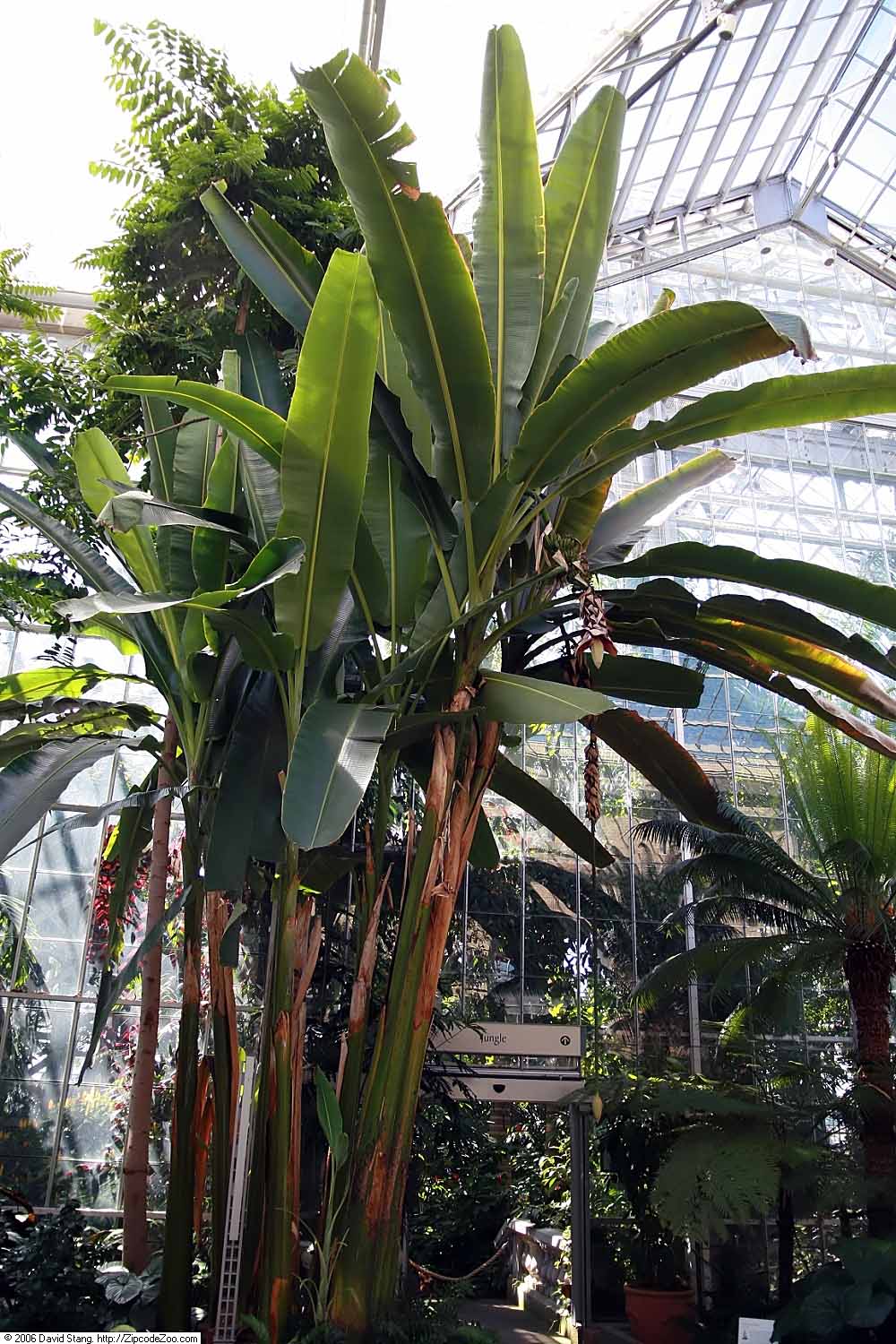
Abaca
Musa textilis
☀️ Full Sun 💧 High

Agati
Sesbania grandiflora
☀️ Full Sun 💧 High
Attenborough’s Pitcher Plant
Nepenthes attenboroughii

Benguet Pine
Pinus kesiya
☀️ Full Sun 💧 Moderate

Betel Nut Palm
Areca catechu
☀️ Full Sun 💧 High

Binjai
Mangifera caesia
☀️ Full Sun 💧 High

Bootlace Plant
Wikstroemia indica
☀️ Partial Sun 💧 Moderate

Chinese Bayberry
Myrica rubra
☀️ Full Sun 💧 Moderate

Chinese Evergreen
Aglaonema commutatum
☀️ Bright Indirect 💧 Moderate

Chinese Photinia
Photinia serratifolia
☀️ Full Sun 💧 Moderate

Christmas Palm
Adonidia merrillii
☀️ Full Sun 💧 Moderate

Climbing Swamp Fern
Stenochlaena palustris
💧 High

Croton
Codiaeum variegatum
☀️ Bright Indirect 💧 Moderate

Giant Swamp Taro
Cyrtosperma merkusii
☀️ Full Sun 💧 Aquatic

Guest Tree
Kleinhovia hospita
☀️ Full Sun 💧 Moderate

Hoya pubicalyx
☀️ Bright Indirect 💧 Low

Indian Sandalwood
Santalum album
☀️ Full Sun 💧 Moderate
Jade Vine
Strongylodon macrobotrys
☀️ Full Sun 💧 High
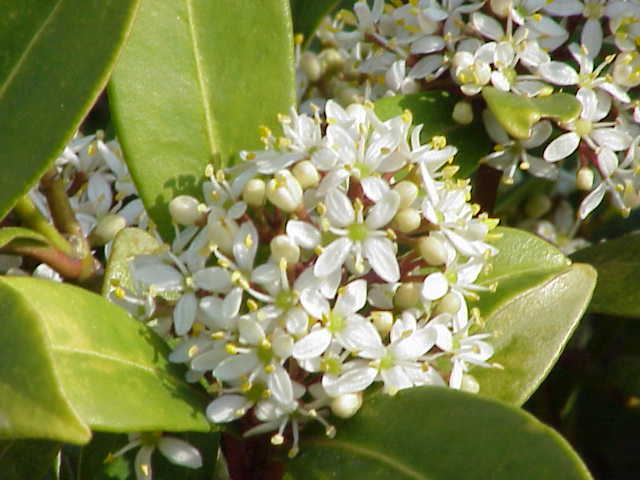
Japanese Skimmia
Skimmia japonica
☀️ Partial Shade 💧 Moderate

Java Cassia
Cassia javanica
☀️ Full Sun 💧 Moderate

Langsat
Lansium domesticum
☀️ Partial Sun 💧 High

Limeberry
Triphasia trifolia
☀️ Full Sun 💧 Moderate

Lychee
Litchi chinensis
☀️ Full Sun 💧 Moderate

Moth Orchid
Phalaenopsis amabilis
☀️ Bright Indirect 💧 Low
Common Questions
Can Philippine native plants grow indoors in temperate climates?
Yes, many Philippine native plants grow indoors if maintained above 18 °C (65 °F) with adequate humidity. Species like satin pothos and hoyas adapt well to indoor container growth when placed in bright, indirect light. Use a humidifier or pebble tray to maintain at least 50% relative humidity, and protect plants from cold drafts below 13 °C (55 °F).
What soil type do Philippine tropical plants require?
Most Philippine tropical plants require coarse, well-draining soil mixes rich in organic matter. Combine two parts peat-based potting soil with one part perlite and one part orchid bark to ensure aeration around the roots. Carnivorous pitcher plants like Nepenthes alata need an unfertilized mix of equal parts long-fiber sphagnum moss and perlite.
How much sunlight do Philippine plants need?
Sunlight requirements vary by canopy position, from 4 to 6 hours of filtered light for understory vines to full sun for canopy trees. Epiphytes and understory species require bright, indirect light to prevent leaf scorching. Full-sized palms, fiber plants, and fruiting trees require at least 6 hours of direct sun daily to maintain healthy foliage and set fruit.