Plants Native to West Africa
34 plant profiles · Discover plants native to West Africa, from heat-tolerant crops to low-light indoor species, with key care parameters and climate requirements.
West African plants originate from a region spanning tropical rainforests, humid coastal belts, and dry sahelian savannas between 4° N and 18° N latitude. Ambient temperatures across their natural range typically stay between 20 and 35 °C (68 to 95 °F) year-round. This geographic diversity means species from the region fall into two distinct water categories: arid-adapted succulents that store moisture, and lowland rainforest trees or annuals that depend on high humidity and soil moisture above 15 °C (59 °F).
Choosing the right West African species depends on your local climate and indoor light levels. Low-maintenance indoor growers can select the drought-tolerant snake plant (Dracaena trifasciata), which tolerates dry air and indirect light. Warm-season edible annuals such as okra (Abelmoschus esculentus) and roselle (Hibiscus sabdariffa) require full sunlight and soil temperatures consistently above 21 °C (70 °F) during summer growth.
For outdoor landscapes in USDA hardiness zones 10 through 11, perennial species such as the kola nut (Cola nitida), oil palm (Elaeis guineensis), and African tulip tree (Spathodea campanulata) produce broad canopy foliage, red flowers, or oil-bearing fruits. Identifying whether a plant originates from the moist Guinean forest or the drier Sudanian savanna dictates whether you should provide sandy, quick-draining potting mixes or rich, moisture-retentive soils.
African Lettuce
Launaea taraxacifolia
☀️ Full Sun 💧 Moderate

African Nutmeg
Monodora myristica

African Padauk
Pterocarpus soyauxii
☀️ Full Sun 💧 High
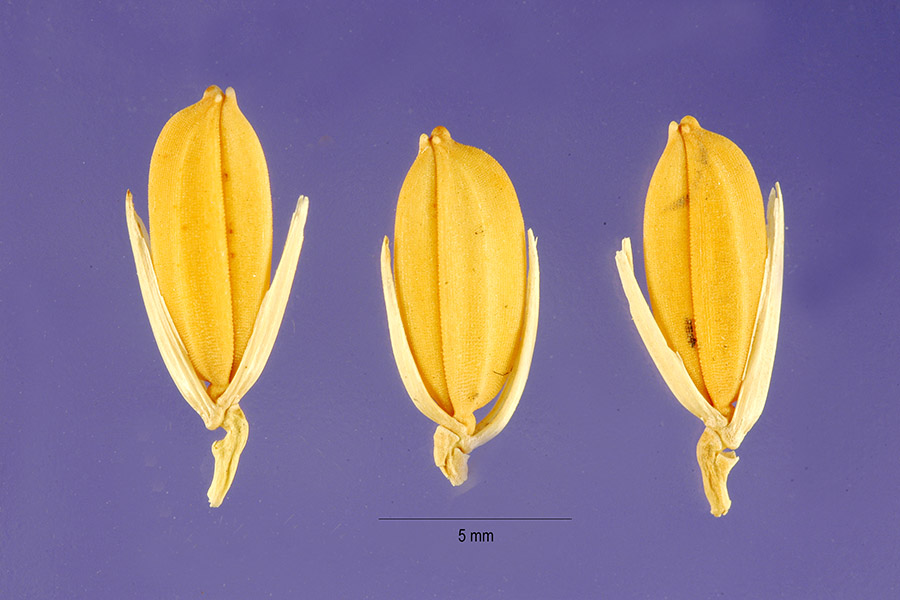
African Rice
Oryza glaberrima
☀️ Full Sun 💧 High

African Tulip Tree
Spathodea campanulata
☀️ Full Sun 💧 Moderate
Alligator Apple
Annona glabra
💧 High

Benin Pepper
Piper guineense
☀️ Partial Shade 💧 Moderate

Bleeding Heart Vine
Clerodendrum thomsoniae
☀️ Bright Indirect 💧 High

Cheese Wood
Alstonia boonei

Climbing Oleander
Strophanthus gratus
☀️ Partial Sun 💧 Moderate

Cnestis ferruginea
☀️ Partial Shade 💧 Moderate

Cocoplum
Chrysobalanus icaco
☀️ Full Sun 💧 Moderate

Cowpea
Vigna unguiculata
☀️ Full Sun 💧 Low

Eru
Gnetum africanum
☀️ Partial Shade 💧 High

Ethiopian Pepper
Xylopia aethiopica
☀️ Partial Sun 💧 High
Fluted Pumpkin
Telfairia occidentalis
☀️ Full Sun 💧 High
Fonio
Digitaria exilis
☀️ Full Sun 💧 Low

Gboma Eggplant
Solanum macrocarpon
☀️ Full Sun 💧 High

Grains of Paradise
Aframomum melegueta
☀️ Partial Shade 💧 High
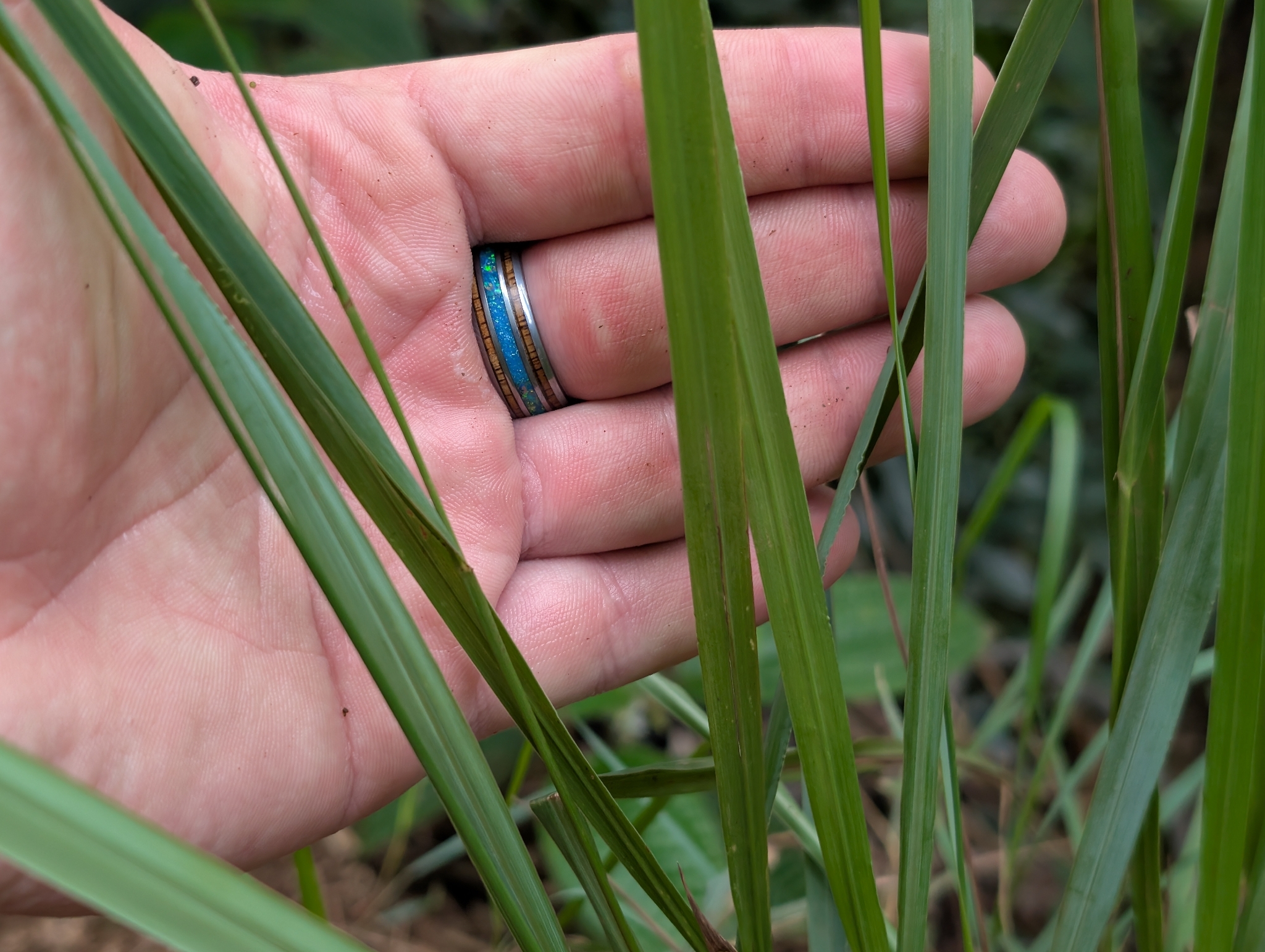
Kodo Millet
Paspalum scrobiculatum
☀️ Full Sun 💧 Low
Kola
Cola acuminata
☀️ Partial Sun 💧 High

Kola Nut
Cola nitida
☀️ Full Sun 💧 High

Lagos Rubber Tree
Funtumia elastica

Liberica Coffee
Coffea liberica
☀️ Full Sun 💧 Moderate
Common Questions
Which common houseplants are native to West Africa?
Snake plant (Dracaena trifasciata) is the most widely cultivated indoor houseplant native to West Africa. It survives low light and low humidity by storing water in thick, rigid leaves.
What temperatures do West African plants require?
Most West African plants require temperatures between 18 and 32 °C (65 to 90 °F) to actively grow. Exposure to temperatures below 10 °C (50 °F) can cause foliage damage or total dormancy in tropical species.
Are West African plants drought tolerant?
Savanna species tolerate extended dry periods, while coastal rainforest species require consistent moisture. Succulents from dry inland areas survive weeks without water, whereas broadleaf rainforest crops drop leaves if topsoil dries out completely.