Plants Native to Western Asia
262 plant profiles · Explore plants native to Western Asia, from culinary herbs like rocket to drought-tolerant rock-roses, detailing soil, sun, and moisture needs.
Western Asia hosts over 165 profiled plant species that span Mediterranean coasts, arid steppes, and alpine valleys. Matching these species to your garden depends on evaluating your local soil drainage and winter minimum temperatures. Plants from this region often feature adaptations for low-water environments, including aromatic oils, reduced leaf surface areas, and deep root systems.
For culinary gardens, bible hyssop (Origanum syriacum) and rocket (Eruca sativa) thrive in full sun with minimal maintenance. Gardeners seeking ground cover in dry, rocky beds can plant smooth rupturewort (Herniaria glabra) or sage-leaved rock-rose (Cistus salviifolius), both of which endure heat and lean soils. Conversely, riparian species like brooklime (Veronica beccabunga) require shallow water or constantly damp mud to survive.
Wild edible crops like celery (Apium graveolens) demand consistently moist soil, whereas toxic wild species such as deadly nightshade (Atropa belladonna) require secure planting sites away from pets and children. Understanding each plant's native ecological zone ensures proper placement in your home garden.
Alder Buckthorn
Frangula alnus
☀️ Partial Sun 💧 Moderate

Almond-Leaved Pear
Pyrus spinosa
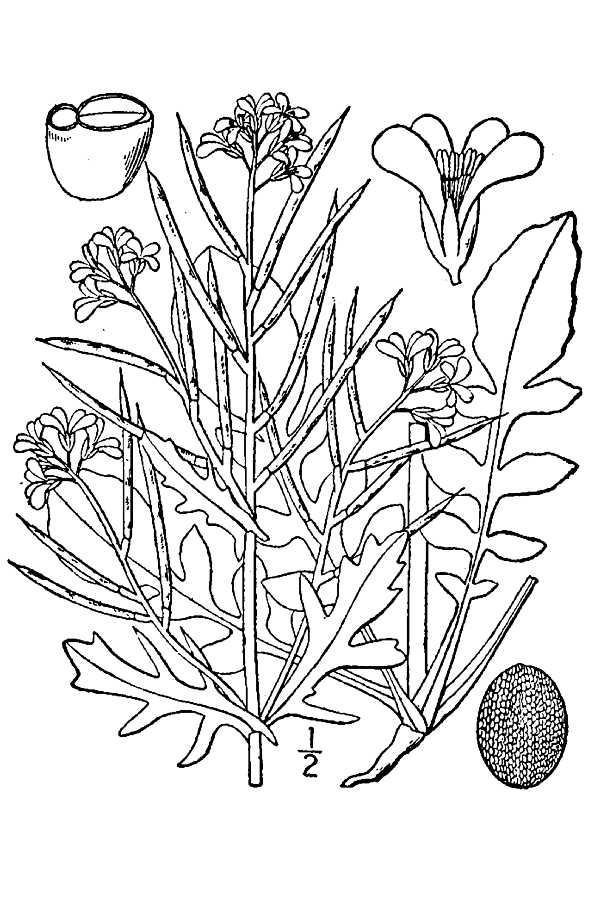
American Cress
Barbarea verna
☀️ Partial Shade 💧 Moderate
Annual Ryegrass
Lolium multiflorum
☀️ Full Sun 💧 Moderate

Annual Yellow Sweet Clover
Melilotus indicus
☀️ Full Sun 💧 Low

Apple of Sodom
Calotropis procera
☀️ Full Sun 💧 Low

Apple Rose
Rosa villosa
☀️ Full Sun 💧 Moderate

Asparagus
Asparagus officinalis
☀️ Full Sun 💧 Moderate
Athel Pine
Tamarix aphylla
☀️ Full Sun 💧 Low

Aubrieta
Aubrieta deltoidea
☀️ Full Sun 💧 Low

Autumn Crocus
Colchicum autumnale
☀️ Full Sun 💧 Moderate

Autumn Lady’s-Tresses
Spiranthes spiralis
☀️ Full Sun 💧 Moderate
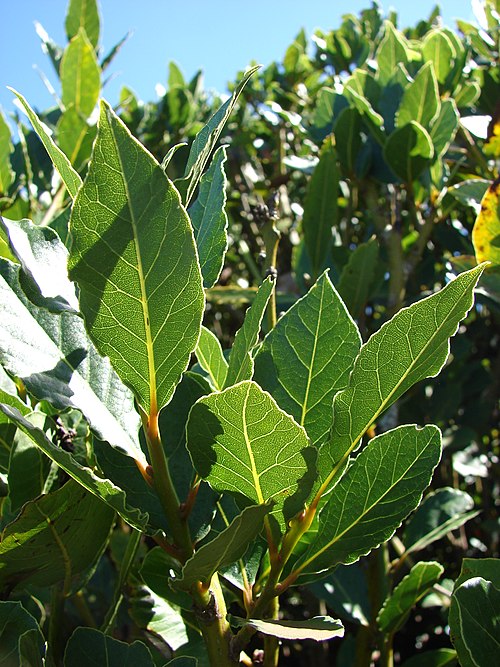
Bay Laurel
Laurus nobilis
☀️ Full Sun 💧 Moderate

Bean Trefoil
Anagyris foetida
☀️ Full Sun 💧 Low

Beetroot
Beta vulgaris
☀️ Full Sun 💧 Moderate

Bible Hyssop
Origanum syriacum
☀️ Full Sun 💧 Low

Big Quaking Grass
Briza media
☀️ Full Sun 💧 Low
Birthwort
Aristolochia clematitis

Bishop’s Flower
Ammi majus
☀️ Full Sun 💧 Moderate

Biting Stonecrop
Sedum acre
☀️ Full Sun 💧 Low

Bitter Dock
Rumex obtusifolius
☀️ Full Sun 💧 Moderate

Bitter Vetch
Vicia ervilia
☀️ Full Sun 💧 Low

Black Alder
Alnus glutinosa
☀️ Full Sun 💧 High
Black Bryony
Dioscorea communis
☀️ Partial Shade 💧 Moderate
Common Questions
Which Western Asian plants are drought tolerant?
Sage-leaved rock-rose and bible hyssop tolerate long summer droughts once established in well-draining, lean soil.
What culinary herbs come from Western Asia?
Rocket, celery, and bible hyssop originate in Western Asia and are grown globally for culinary uses.
Do plants native to Western Asia need special soil?
Most Western Asian species prefer neutral to alkaline soil with fast drainage, though bog plants like brooklime require wet, organic soil.