
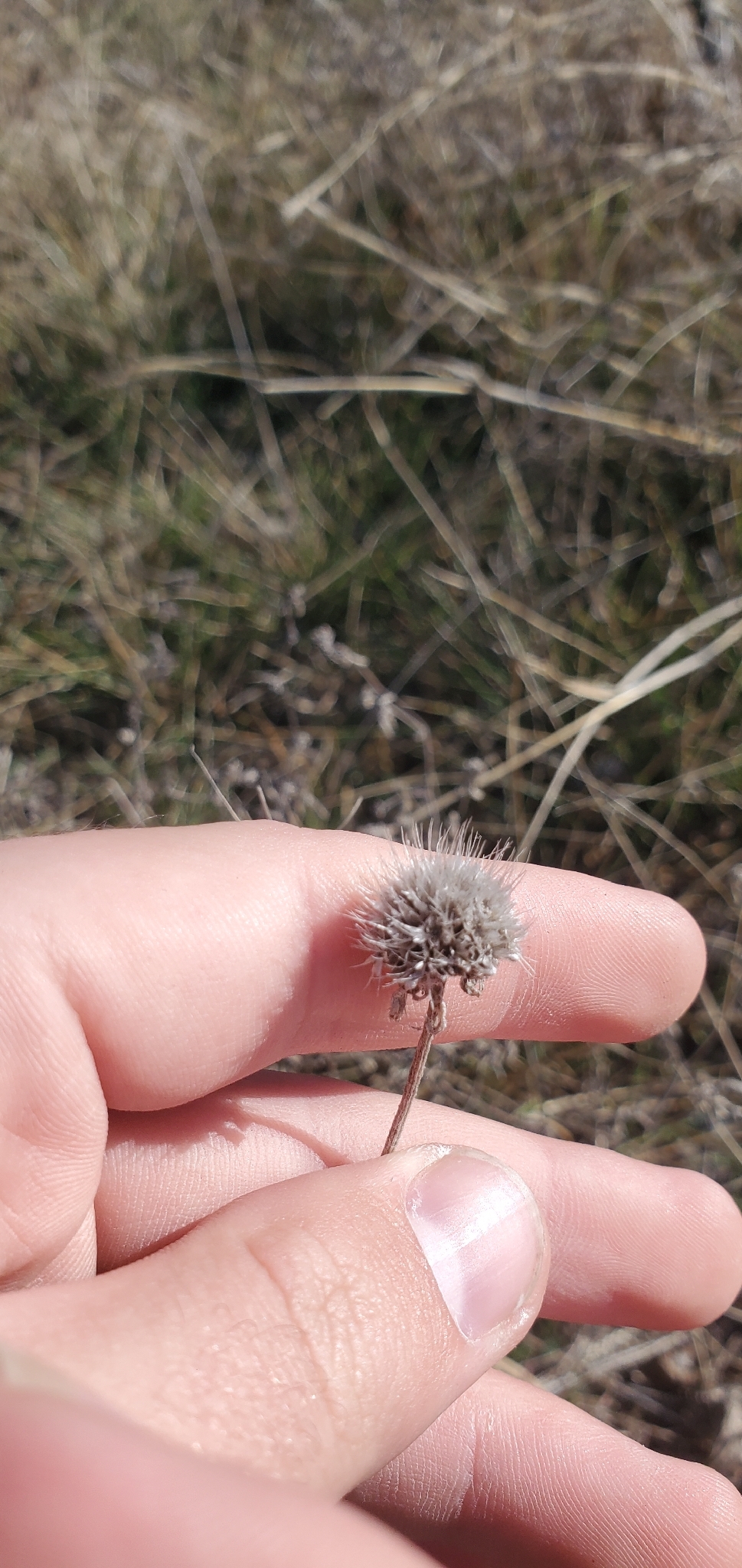
Indian Blanket is a hardy North American wildflower, Gaillardia pulchella, that populates prairies and roadsides from northern Mexico to the central United States. It is a short-lived perennial or annual that produces distinct bi-color flower heads featuring a red center and yellow-tipped ray florets.
This species thrives in heat and poor soil where most garden flowers wither. It is frequently used in xeriscaping or meadow restorations because it requires significantly less water than traditional bedding plants once the root system is established.
Key Facts
- Light: At least 6 hours of direct sun daily
- Water: Only during prolonged dry spells after establishment
- Soil: Sandy, well-drained, or rocky substrates
- Bloom: Continuous from May until the first frost
- Height: Typically reaches 30–60 cm (12–24 in)
Growing Indian Blanket in Your Garden
Indian Blanket is a low-maintenance wildflower that suits sunny borders, rock gardens, and meadow-style plantings. It is particularly effective for gardeners in hot climates who want a consistent display of color without high water requirements. Because it is the state wildflower of Oklahoma, it is a frequent choice for native plant gardens in the Great Plains.
This plant is most successful when treated as an annual that self-seeds. It fills gaps in the garden quickly, often blooming within 60 to 90 days of germination. You should avoid planting it in areas with heavy clay or standing water, as the roots are prone to rot in soggy conditions.
- Select a spot with full sun exposure for maximum bloom density.
- Avoid rich, organic soils which can cause the stems to become weak and floppy.
- Space plants 30 cm (12 in) apart to allow for adequate air circulation.
- Use it to stabilize soil in sunny, sloped areas prone to erosion.
Identifying Firewheel Flowers and Foliage
The Indian Blanket reaches a mature height of 30–60 cm (12–24 in) with a mounding or spreading habit. The stems are branched and covered in fine, stiff hairs, giving the plant a slightly rough texture. Leaves are alternate, oblong, and may be coarsely toothed or lobed, measuring about 5–10 cm (2–4 in) long.
The flowers are the most recognizable feature, consisting of a central brownish-red disk surrounded by ray florets. These rays are typically deep red at the base and bright yellow at the tips, though some cultivars may be solid red or orange. Each flower head measures 4–6 cm (1.5–2.5 in) across.
- Flower Shape: Pinwheel-like ray florets with three-toothed tips.
- Foliage: Grey-green, hairy leaves that clasp the stem.
- Bloom Cycle: Individual flowers last for several days before forming seed heads.
- Seed Head: A prickly, globe-shaped structure that turns brown when mature.
Best Light and Soil for Blanket Flowers
Indian Blanket requires full sun, meaning at least 6 to 8 hours of direct light daily, to prevent the plant from becoming leggy. If grown in partial shade, the flower production will drop significantly and the stems may require staking to stay upright. In very hot southern climates, it can tolerate light afternoon shade but prefers the heat.
Soil quality is less important than drainage for this species. It naturally grows in sandy or rocky soils with low nutrient levels. If your garden has heavy clay, you must amend it with sand or gravel or grow the plants in raised beds to ensure water drains away from the crown.
- Soil Type: Poor, sandy, or gravelly soils are ideal.
- pH Level: Prefers a neutral to slightly alkaline range (6.1–7.5).
- Drainage: Must be excellent; the plant will not survive in boggy soil.
- Fertilizer: None required; excess nitrogen promotes leaves over flowers.
How to Plant Indian Blanket Seeds
Sow Indian Blanket seeds in early spring or late autumn for the best germination results. In warmer climates (USDA zones 7-11), autumn sowing allows the seeds to overwinter and sprout as soon as the soil warms in spring. In colder regions, wait until the danger of frost has passed in spring before sowing directly into the garden.
The seeds require light to germinate, so do not bury them deep in the soil. Simply press them firmly into the surface of the raked earth so they have good contact but remain exposed to light. Keep the area moist until the seedlings reach 5 cm (2 in) in height.
- Scatter seeds at a rate of 1 gram per square meter for meadow coverage.
- Lightly rake the area after sowing to ensure soil contact.
- Germination typically occurs within 7 to 14 days at 21 °C (70 °F).
- Thin seedlings to 25–30 cm (10–12 in) apart if they appear overcrowded.
Watering and Fertilizing Requirements
You should water Indian Blanket once a week during its first month of growth to help establish the root system. Once established, the plant is extremely drought-tolerant and rarely needs supplemental water unless there is a severe drought lasting more than three weeks. Overwatering is the most common cause of plant failure.
Fertilizer is generally unnecessary and can be detrimental to the plant’s health. High-nitrogen fertilizers encourage lush green growth that is susceptible to pests and causes the flower stems to fall over. If your soil is exceptionally sterile, a single application of balanced, slow-release fertilizer in spring is sufficient.
- Check the soil 5 cm (2 in) deep; only water if it is completely dry.
- Avoid overhead watering to prevent powdery mildew on the hairy foliage.
- Drip irrigation or soaker hoses are the safest watering methods.
- Mulch with gravel or pine bark rather than heavy compost to keep the crown dry.
How to Deadhead Indian Blanket Flowers
Deadhead Indian Blanket regularly by removing spent blooms to encourage the plant to produce new flowers. This prevents the plant from putting all its energy into seed production, which can cause it to stop blooming prematurely in mid-summer. Use sharp garden snips to cut the flower stem back to the first set of leaves.
If the plant becomes leggy or stops blooming in the heat of August, you can perform a more aggressive pruning. Cut the entire plant back by one-third of its height. This often stimulates a fresh flush of foliage and a second round of heavy blooming that lasts until the first hard frost of winter.
- Remove faded flowers every 2–3 days for a tidy appearance.
- Leave a few seed heads at the end of the season if you want self-seeding.
- Sanitize your shears with rubbing alcohol between plants to prevent disease.
- Wear gloves if you have sensitive skin, as the sap can be irritating.
Propagating and Harvesting Seeds
Propagate Indian Blanket by harvesting seeds from the dried, spherical flower heads in late summer or autumn. Wait until the petals have fallen off and the central disk has turned brown and brittle. When you touch the seed head, the seeds should easily fall away into your hand or a container.
Store the harvested seeds in a cool, dry place in a paper envelope until the following spring. You can also propagate the plant via basal cuttings in early spring, though seed sowing is significantly more reliable and common. This plant does not typically survive division due to its taproot system.
- Harvest seeds only from fully dried heads to ensure maturity.
- Remove the chaff (dried bits of the flower) by lightly blowing on the seeds.
- Label envelopes with the harvest date; seeds remain viable for 2–3 years.
- Allow some seeds to fall naturally to maintain a permanent colony.
Common Pests and Leaf Issues
Indian Blanket is relatively resistant to pests, but it can occasionally be affected by aphids or leafhoppers. Leafhoppers are of particular concern because they can transmit aster yellows, a phytoplasma disease that causes flowers to turn green and deformed. There is no cure for aster yellows; infected plants must be removed and destroyed.
Fungal issues like powdery mildew or leaf spot may occur during humid summers or if the plants are crowded. Improving air circulation and avoiding evening watering can prevent most fungal outbreaks. If white powdery spots appear on the leaves, treat the plant with a neem oil spray or a potassium bicarbonate solution.
- Aphids: Small insects on new growth; wash off with a strong water spray.
- Aster Yellows: Stunted growth and green flowers; remove the entire plant.
- Powdery Mildew: White coating on leaves; increase spacing and sun exposure.
- Root Rot: Yellowing leaves and wilting; usually caused by overwatering.
Year-Round Care for Indian Blanket
| Spring | Sow seeds directly into the garden once soil temperatures reach 18 °C (65 °F). Thin existing seedlings to 30 cm (12 in) apart to prevent crowding. |
|---|---|
| Summer | Deadhead spent blooms weekly to maintain flower production. Cut back leggy plants by one-third in August to stimulate a late-season bloom. |
| Autumn | Harvest mature seed heads for next year's planting. Leave some foliage and seeds on the ground to allow for natural self-seeding over winter. |
| Winter | In zones 8-11, the plant may remain evergreen; avoid watering unless the soil is bone dry. In colder zones, the plant will die back; clear debris in late winter. |
Why Is My Indian Blanket Dying? Quick Diagnosis
| What you see | Likely cause | What to do |
|---|---|---|
| Flowers turning green and stunted | Aster yellows disease | Pull up and destroy the infected plant immediately to prevent spread. |
| Plant falling over or 'flopping' | Too much nitrogen or shade | Move to a full sun location and stop using fertilizer. |
| White powdery coating on leaves | Powdery mildew | Increase air circulation and avoid watering the foliage directly. |
| Mushy stems at the soil line | Crown or root rot | Reduce watering frequency and ensure the soil has excellent drainage. |
Popular Indian Blanket Cultivars
- 'Sundance Bicolor' – double blooms in red and yellow.
- 'Red Plume' – solid dark red, double-flowered variety.
- 'Yellow Plume' – bright yellow, ball-shaped double blooms.
- 'Lorenziana' – a mix known for tubular, trumpet-shaped florets.
Best Companion Plants for Gaillardia
Pair Indian Blanket with other drought-tolerant perennials that share its love for full sun and well-drained soil. It looks best when planted in drifts alongside ornamental grasses or upright flowering plants that provide a structural contrast to its mounded shape. Choose companions that won’t outcompete it for light.
Native prairie plants are the most natural fit. Consider the following species for a cohesive meadow look:
- Mealycup sage (Salvia farinacea) provides vertical spikes of blue flowers.
- Plains coreopsis (Coreopsis tinctoria) offers similar colors and growth habits.
- Black-eyed Susan (Rudbeckia hirta) blooms concurrently for a warm-toned display.
- Little bluestem (Schizachyrium scoparium) adds fine texture and autumn color.
- Mexican hat (Ratibida columnifera) shares the same heat tolerance and range.
Frequently Asked Questions
Is Indian blanket a perennial or an annual?
Indian Blanket is typically an annual or a short-lived perennial that lasts 2-3 years. It is most often grown as an annual because it self-seeds so prolifically that new plants replace the old ones every spring.
How do I harvest Indian blanket seeds?
Wait until the flower petals fall off and the center turns into a brown, dry ball. Rub the ball between your fingers over a container to release the small, pointed seeds.
How do you wash an Indian blanket?
If you are referring to the plant, you should only 'wash' it with a garden hose to remove pests like aphids. If you are referring to the wool textile also called an Indian Blanket, follow the manufacturer's instructions for wool, usually involving cold water and air drying.
Is Indian blanket toxic to dogs or cats?
No, Indian Blanket is considered non-toxic to pets according to the ASPCA. However, like many plants, it may cause mild stomach upset if ingested in large quantities.
Why is my Gaillardia pulchella not blooming?
The most common reason for a lack of blooms is insufficient sunlight or too much fertilizer. Ensure the plant receives at least 6 hours of direct sun and avoid using high-nitrogen plant foods.
Information about traditional or historical uses is provided for educational interest only and is not medical advice. Do not use any plant to treat a condition without speaking to a qualified professional.
Sources & Verification
Taxonomy and distribution are checked against the databases below. Care guidance is written for cultivated species only and reviewed by our editor. How We Build Plant Profiles →