
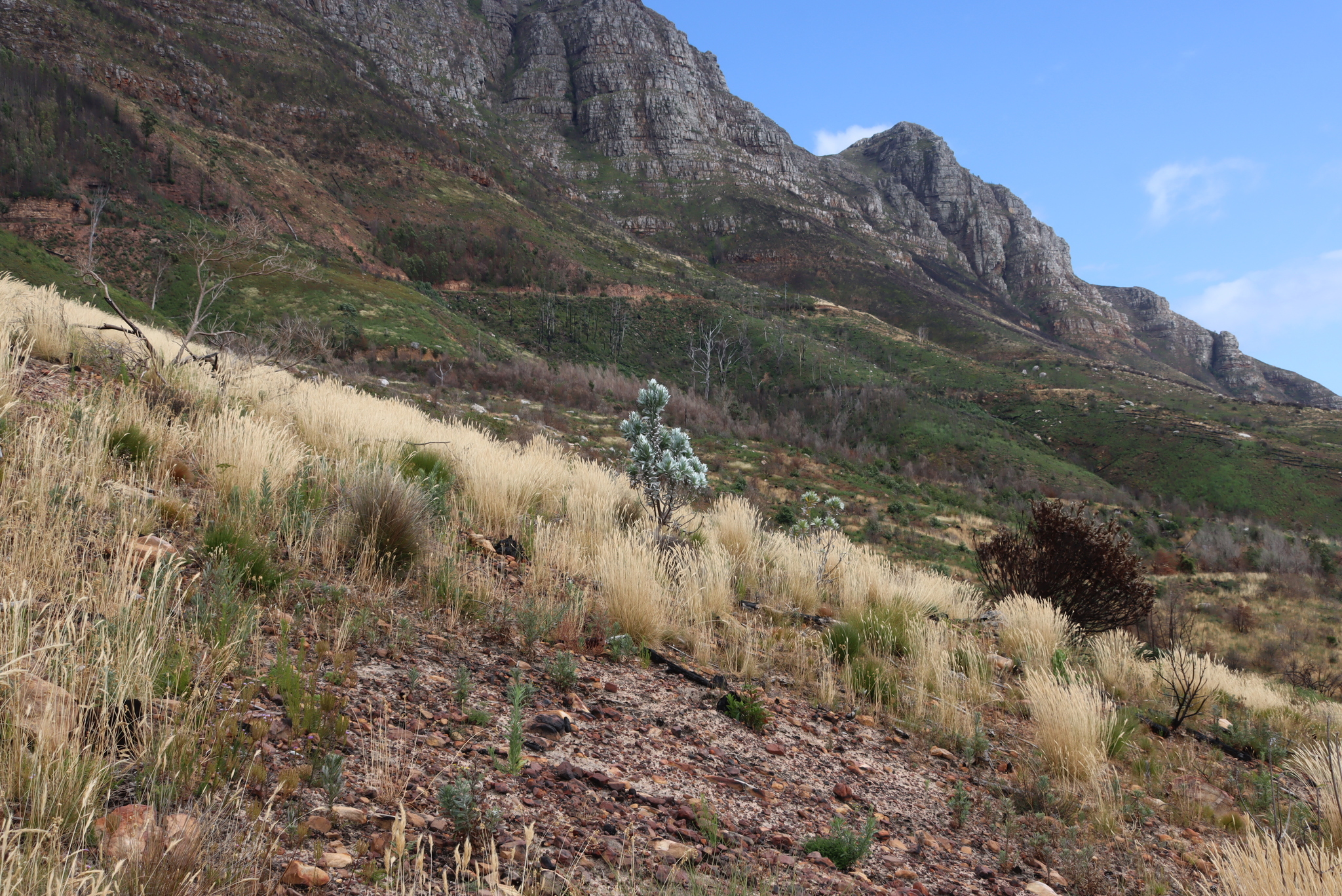
The Silver Tree, known scientifically as Leucadendron argenteum, is a striking evergreen tree endemic to the granite and clay soils of the Cape Peninsula in South Africa. It is the tallest member of the Proteaceae family in its native region, reaching heights of up to 10 m (33 ft).
You must provide perfect drainage to keep this species alive, as it is highly susceptible to soil-borne fungi. It thrives in Mediterranean climates like those found in parts of Australia and New Zealand where winter rainfall is common and humidity remains low.
Key Facts
- Water: Deeply but infrequently; avoid wet feet at all costs
- Soil: Needs acidic, well-drained, nutrient-poor soil (pH 5.5-6.5)
- Light: Full sun is mandatory for the characteristic leaf shimmer
- Hardiness: Tolerates light frosts down to -1 °C (30 °F)
- Growth: Fast-growing but relatively short-lived (15-20 years)
Is the Silver Tree Right for Your Garden?
Growing a Silver Tree requires a specific climate and a hands-off approach to feeding. This tree is a specialist for coastal gardens with low-phosphorus soil and excellent air circulation. If you live in a humid, tropical area or have heavy clay soil, this species will likely struggle with root rot. It is best suited for gardeners in USDA zones 9b to 11 who can replicate the cool, breezy Mediterranean conditions of the Cape.
Because it is endangered in the wild, sourcing plants from reputable nurseries is essential. It serves as a high-impact specimen plant but requires space to breathe. You should avoid planting it in cramped corners or near walls that block wind, as stagnant air promotes leaf disease.
How to Identify Leucadendron argenteum
The most distinctive feature is the dense covering of fine, silvery hairs on the lance-shaped leaves. These hairs lie flat in dry weather to reduce moisture loss and stand up when it is humid, giving the tree a metallic sheen. This adaptation is unique to the genus and allows the tree to survive the drying winds of the South African coast.
- Leaves: Roughly 8-15 cm (3-6 in) long, arranged spirally along branches.
- Male Flowers: Small, yellow, pom-pom-like clusters with a faint scent.
- Female Flowers: Large, silver-grey woody cones that house the seeds.
- Bark: Smooth and grey, becoming slightly fissured on older trunks.
Mature Size and Growth Habit
In ideal conditions, a Silver Tree reaches a height of 7 to 10 m (23 to 33 ft) with a spread of 2 to 4 m (6.5 to 13 ft). It typically maintains a neat, upright, conical shape during its first decade of growth. The trunk is relatively thick and provides a sturdy anchor against the strong winds it faces in its native habitat.
Growth is surprisingly fast for a woody species, often adding 60 cm (24 in) of height per year. However, the lifespan is relatively short for a tree, with many specimens declining after 15 to 20 years. This is particularly true in garden settings where soil conditions may not be as perfect as the granite slopes of Table Mountain.
Choosing the Best Planting Site
Select a position with maximum sunlight and high wind exposure to prevent fungal leaf spot. The Silver Tree evolved on exposed mountain slopes where air movement is constant. If planted in a sheltered or shaded spot, the silver hairs cannot dry properly, leading to foliage rot and a loss of the metallic luster.
The site must have acidic soil and no history of heavy fertilisation. Avoid planting near lawns that receive regular high-nitrogen or high-phosphorus fertilisers, as these chemicals will leach into the tree’s root zone. Sloped ground is ideal as it naturally sheds excess water away from the sensitive root system.
How to Plant a Cape Silver Tree
Plant your Silver Tree during the autumn or early winter to allow the root system to establish before the summer heat. Dig a hole twice as wide as the root ball but no deeper. It is vital to keep the soil level of the plant exactly the same as it was in its nursery container to prevent collar rot.
- Do not add compost, manure, or standard potting mix to the hole.
- If soil is heavy, build a raised mound of sandy, acidic loam.
- Handle the root ball with extreme care to avoid damaging proteoid roots.
- Water the plant in thoroughly immediately after planting to settle the soil.
Silver Tree Care and Feeding
Water young trees twice a week during their first summer, then reduce frequency significantly once established. Mature trees are drought-tolerant but appreciate a deep soaking once a month during prolonged dry spells. Always apply water at the base of the tree rather than over the foliage to keep the leaves dry.
Never use fertilisers containing phosphorus, as it is toxic to the specialized root system of the Silver Tree. These trees have evolved to
Pruning and Shaping Tips
Pruning should be kept to a minimum to avoid stressing the tree. You can remove dead or damaged wood at any time of year using sterilised tools. If you wish to harvest the foliage for floral arrangements, cut stems just above a node to encourage branching and maintain a bushy habit.
Never cut back into old wood that has no leaves, as the Silver Tree does not readily sprout from dormant buds on the main trunk. If the tree becomes too tall or leggy, it is often better to replace it with a younger specimen than to attempt a hard rejuvenation prune. Regular light tipping of young branches can help maintain a denser canopy.
Common Cape Silver Tree Problems
The most frequent cause of death is Phytophthora cinnamomi, a soil-borne fungus that causes sudden wilting and root rot. There is no cure once the infection takes hold, so prevention through perfect drainage is your only defense. If a tree dies suddenly, do not plant another Proteaceae member in the same spot for several years.
- Yellow leaves: Often indicates soil pH is too high or phosphorus is present.
- Black leaf spots: Caused by fungal infection due to poor air circulation.
- Argentine ants: These may farm scale insects on the branches; control the ants first.
- Wilting tips: Can indicate extreme drought or the start of root rot.
Winter Protection and Temperature Limits
The Silver Tree can survive short periods at -1 °C (30 °F), but prolonged freezing will kill the plant. In areas with occasional light frost, plant the tree against a north-facing wall (in the Southern Hemisphere) or south-facing wall (in the Northern Hemisphere) to take advantage of radiant heat. Young trees are much more vulnerable to cold than mature specimens.
If an unusual freeze is predicted, wrap the trunk in burlap and mulch the base heavily with dry straw. Avoid watering during freezing weather to prevent ice crystals from damaging the root cells. In climates colder than zone 9, this tree is best grown in a large, moveable container that can be brought into a cool greenhouse for the winter months.
Traditional and Modern Uses
Historically, the Silver Tree was used for timber and fuel by early settlers in the Cape, though its endangered status now strictly prohibits this. The wood is soft and was once used to make basic furniture and boxes. Today, its primary value is ornamental, serving as a high-contrast specimen in large gardens and botanical collections worldwide.
The foliage is highly prized in the cut-flower industry for its durability and unique metallic appearance. In its native habitat, it provides essential nesting sites and food for the Cape Sugarbird (Promerops cafer). It is also a protected species under South African law, making it illegal to harvest from the wild.
Year-Round Care for Silver Tree
| Spring | Monitor for new growth and check for scale insects. This is the peak blooming period for male trees. |
|---|---|
| Summer | Water young trees 1-2 times per week. Ensure mulch is 10 cm (4 in) away from the trunk to prevent rot. |
| Autumn | Best time for planting new trees. Collect seeds from mature, dry cones if propagation is planned. |
| Winter | Protect young plants from frost with burlap. Reduce watering to once a month or less depending on rainfall. |
Why Is My Silver Tree Dying? Quick Diagnosis
| What you see | Likely cause | What to do |
|---|---|---|
| Sudden wilting of the whole tree | Phytophthora root rot | Improve drainage immediately; if the tree dies, remove it and solarize the soil. |
| Yellowing leaves with green veins | Iron deficiency or high pH | Apply an acidic mulch like pine needles and check that no lime-based fertilizers were used. |
| Black spots on silver foliage | Fungal leaf spot | Prune surrounding plants to increase air flow and avoid overhead watering. |
| Lack of silver shimmer | Insufficient sunlight | Move the plant to a full sun position with at least 6-8 hours of direct light. |
Frequently Asked Questions
Can I grow a Silver Tree in a pot?
Yes, you can grow it in a large container using a specialized low-phosphorus 'protea' potting mix and ensuring the pot has multiple drainage holes.
How long do Silver Trees live?
They are relatively short-lived for trees, typically reaching 15 to 20 years before they begin to decline or succumb to root issues.
Are Silver Tree seeds hard to grow?
Yes, they require specific conditions such as smoke treatment or significant day-night temperature fluctuations to break dormancy.
Is the Silver Tree invasive in Australia or NZ?
No, it is not considered invasive; it is a rare, slow-to-reproduce species that is difficult to establish outside of specific conditions.
Why are my Silver Tree leaves turning brown?
This is usually a sign of overwatering or phosphorus toxicity, both of which damage the sensitive root system.
Sources & Verification
Taxonomy and distribution are checked against the databases below. Care guidance is written for cultivated species only and reviewed by our editor. How We Build Plant Profiles →
