Proteaceae Family Plants List and Identification Guide
19 plant profiles · Discover the Proteaceae family, from King Protea to Silky Oak. Learn about their unique proteoid roots and specific care requirements for these Southern Hemisphere plants.
The Proteaceae family consists of ancient flowering plants that evolved on the supercontinent Gondwana over 100 million years ago. These plants are primarily concentrated in the Southern Hemisphere, particularly in the nutrient-poor soils of Australia and South Africa. You can identify members of this family by their unique floral structures, which often feature dense heads of small flowers surrounded by colorful, woody bracts.
When choosing a plant from this group, you must consider your local soil chemistry and drainage. Most Proteaceae possess specialized proteoid roots—dense clusters of rootlets that are highly efficient at absorbing nutrients. This adaptation makes many species, such as the King Protea (Protea cynaroides) and the Waratah (Telopea speciosissima), extremely sensitive to phosphorus; standard garden fertilizers can quickly become toxic to them.
The family ranges from prostrate shrubs like the Silver Banksia (Banksia marginata) to massive timber trees. For example, the Silky Oak (Grevillea robusta) can reach heights of 30 m (100 ft), while the Pincushion Protea (Leucospermum cordifolium) maintains a compact shrub habit around 1.5 m (5 ft). If you are looking for edible crops, the Rough-Shelled Queensland Nut (Macadamia tetraphylla) is one of the few members of the family grown for commercial food production.
- Select species based on your minimum winter temperatures; many South African Proteas prefer Mediterranean climates, while Australian Grevilleas often handle higher humidity.
- Always use a specialized native potting mix with low phosphorus levels for container-grown specimens.
- Ensure sharp drainage, as species like the Silver Tree (Leucadendron argenteum) are prone to root rot in heavy clay soils.

Banks’ Grevillea
Grevillea banksii
☀️ Full Sun 💧 Low

Bot River Protea
Protea compacta
☀️ Full Sun 💧 Low

Broad-Leaf Sugarbush
Protea eximia
☀️ Full Sun 💧 Low

Coast Banksia
Banksia integrifolia
☀️ Full Sun 💧 Low
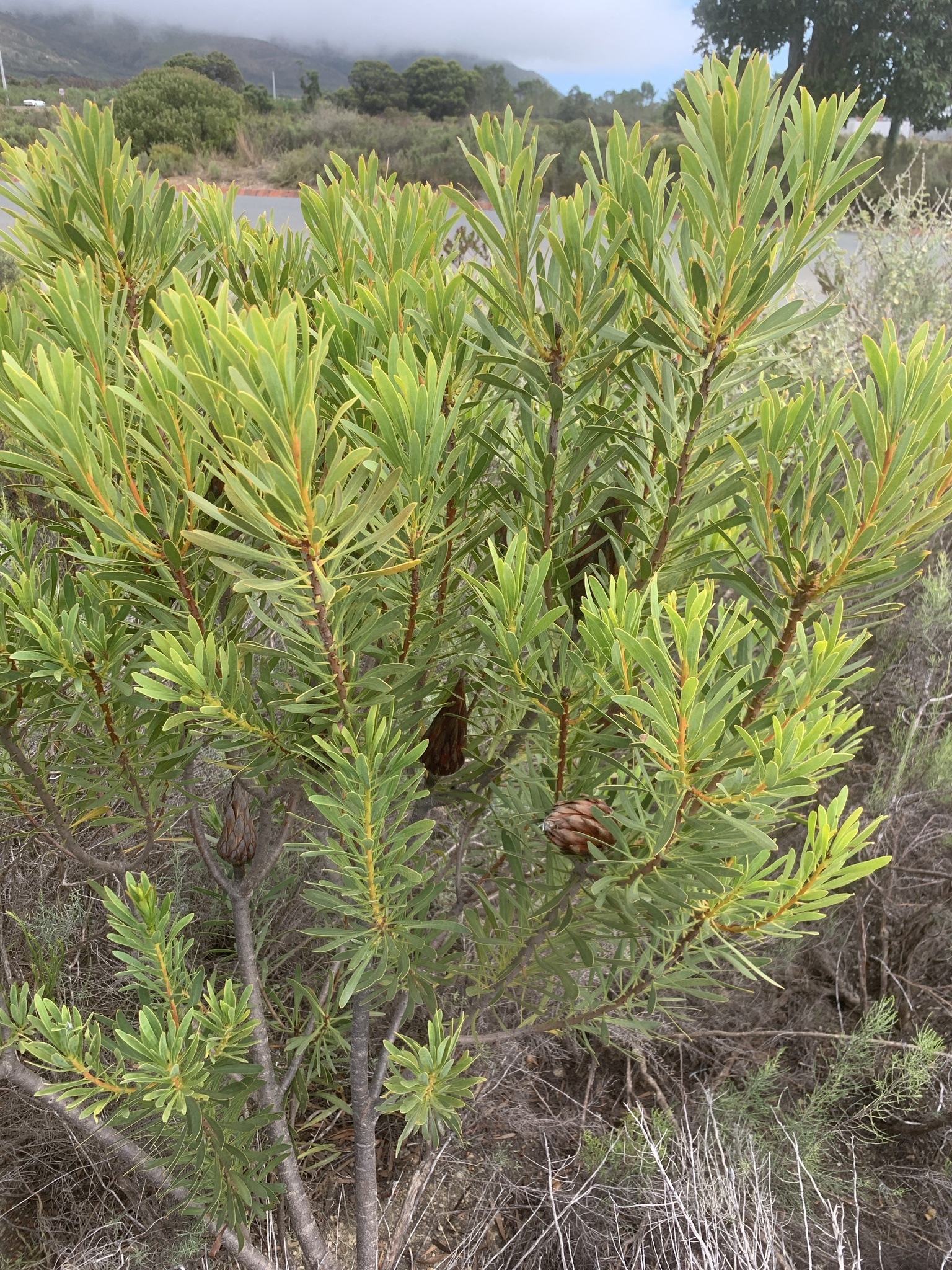
Common Sugarbush
Protea repens
☀️ Full Sun 💧 Low

Firewheel Tree
Stenocarpus sinuatus
☀️ Full Sun 💧 Moderate

Firewood Banksia
Banksia menziesii
☀️ Full Sun 💧 Low

Forest Sugarbush
Protea mundii
☀️ Full Sun 💧 Moderate

Golden Conebush
Leucadendron laureolum
☀️ Full Sun 💧 Low

Heath-Leaved Banksia
Banksia ericifolia
☀️ Full Sun 💧 Low

King Protea
Protea cynaroides
☀️ Full Sun 💧 Low

Old Man Banksia
Banksia serrata
☀️ Full Sun 💧 Low

Pincushion Hakea
Hakea laurina
☀️ Full Sun 💧 Low
Pincushion Protea
Leucospermum cordifolium
☀️ Full Sun 💧 Low
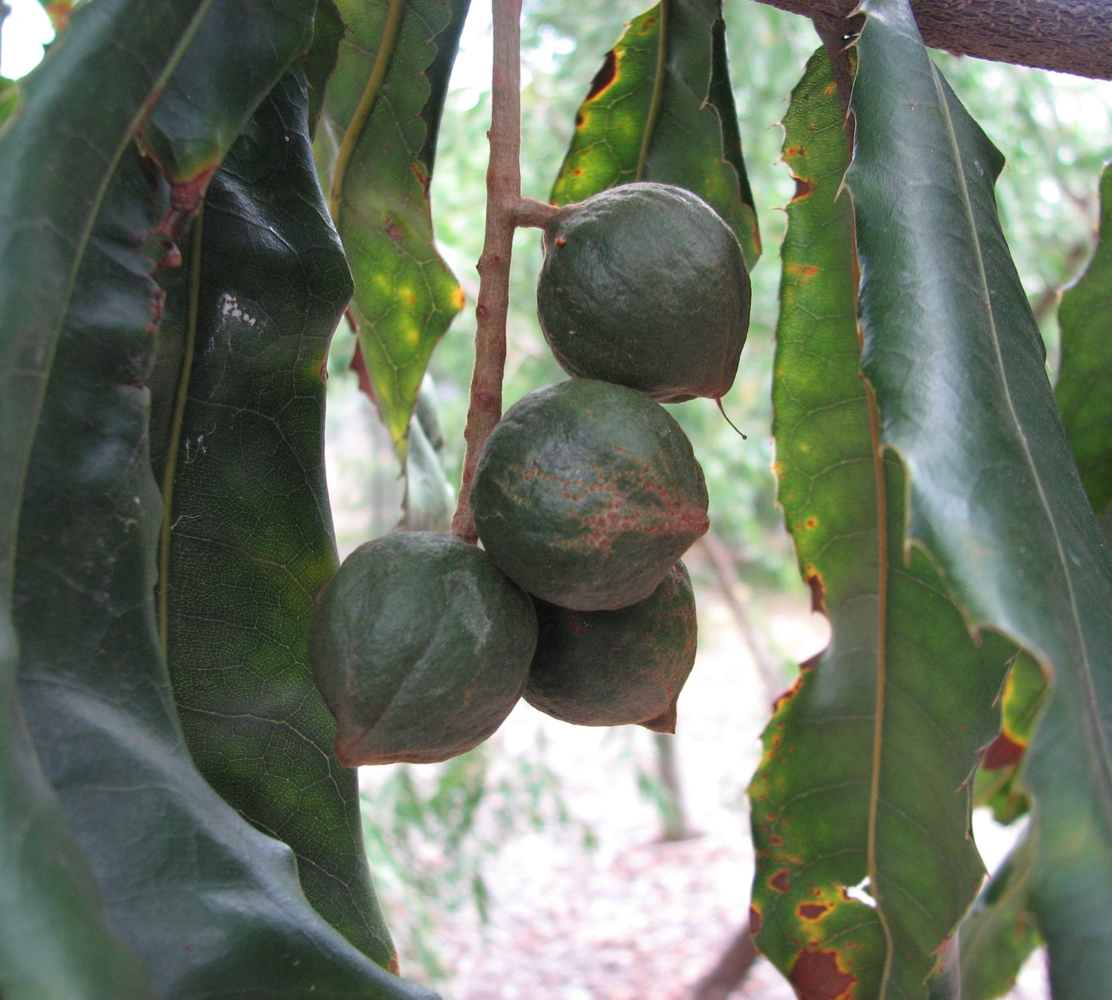
Rough-Shelled Queensland Nut
Macadamia tetraphylla
☀️ Full Sun 💧 Moderate
Silky Oak
Grevillea robusta
☀️ Full Sun 💧 Low

Silver Banksia
Banksia marginata
☀️ Full Sun 💧 Low
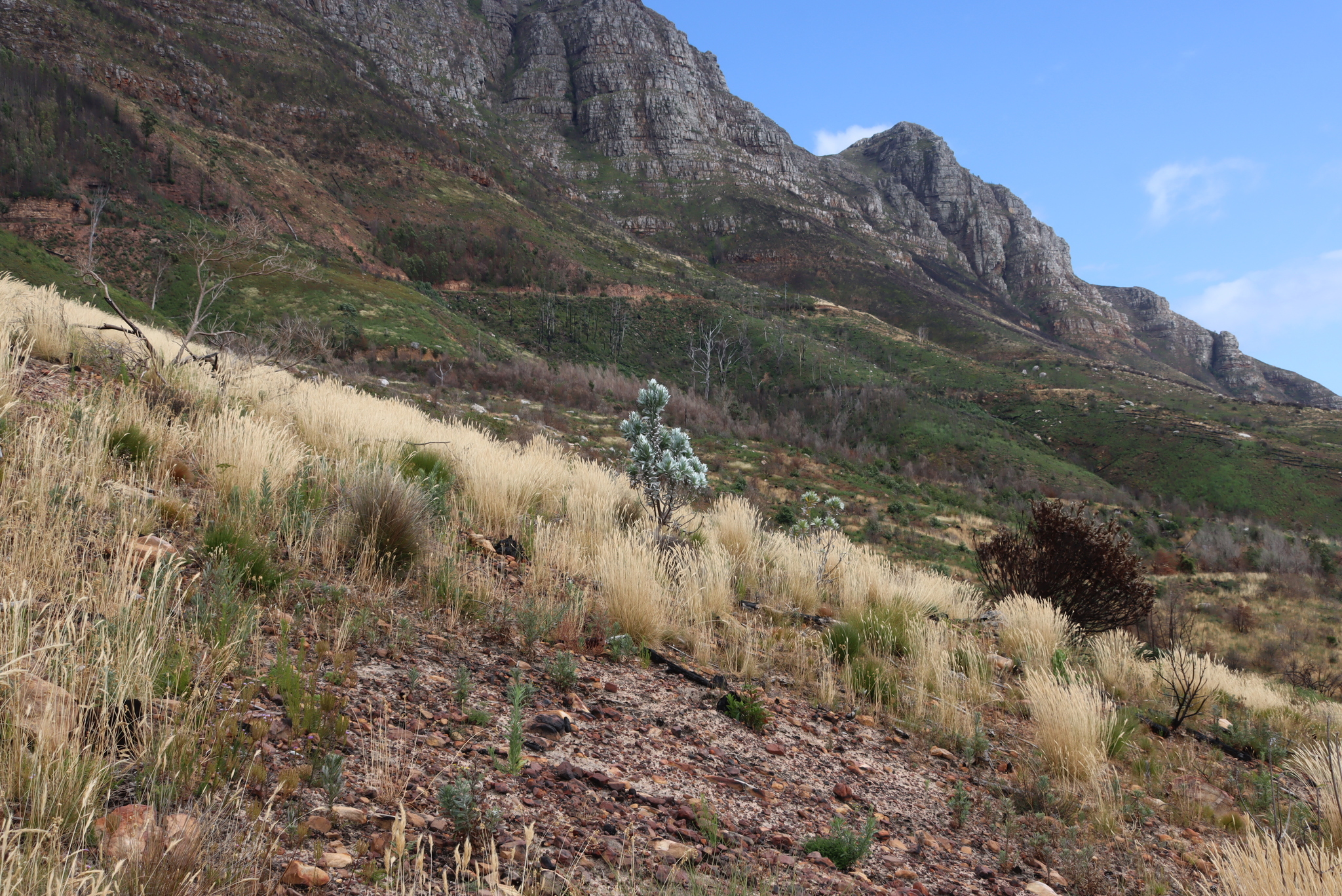
Silver Tree
Leucadendron argenteum
☀️ Full Sun 💧 Moderate

Waratah
Telopea speciosissima
☀️ Full Sun 💧 Low
Common Questions
What is the best fertilizer for Proteaceae plants?
You must use a low-phosphorus fertilizer specifically formulated for native or proteaceous plants, as their specialized roots absorb phosphorus so efficiently that standard levels can kill them.
Why are the leaves on my Protea turning yellow?
Yellowing leaves, or chlorosis, usually indicates iron deficiency or a soil pH that is too high; most Proteaceae require acidic soil between 5.5 and 6.5 pH to thrive.
Do Proteaceae plants need lots of water?
Established Proteaceae are generally drought-tolerant, but young plants require deep watering twice a week during their first two summers to develop their root systems.
Can you grow Proteaceae in pots?
Yes, many smaller species like the Pincushion Protea grow well in pots provided you use a free-draining, soil-less potting medium and a container with large drainage holes.