Palm Tree Types and Identification Guide
29 plant profiles · Identify 19 palm tree species for indoor pots and outdoor landscapes, comparing cold hardiness, light needs, frond shapes, and mature growth habits.
Palms belong to the monocot family Arecaceae, characterized by unbranched woody stems, fibrous root systems, and a solitary terminal growing bud that produces large compound leaves. Across roughly 2,600 species, palms divide structurally into two primary foliage forms: palmate (fan-shaped) and pinnate (feather-shaped). While most originate in tropical and subtropical regions between 30°N and 30°S latitude, their cold tolerance varies widely, ranging from equatorial species that collapse at 4 °C (40 °F) to cold-hardy selections that withstand sustained freezing conditions.
Choosing the right palm depends on your minimum winter temperature, light exposure, and available vertical clearance. Indoors, shade-tolerant understory species like the parlor palm (Chamaedorea elegans) thrive under 800 to 1,500 lux of indirect light and rarely exceed 1.8 m (6 ft) in a container. In contrast, outdoor landscapes in temperate zones down to USDA Zone 7 require freeze-tolerant selections such as the windmill palm (Trachycarpus fortunei) or the clump-forming European fan palm (Chamaerops humilis), both of which endure dips to -15 °C (5 °F).
Subtropical landscapes allow for fast-growing crownshaft species like the Christmas palm (Adonidia merrillii) and moisture-loving varieties like the majesty palm (Ravenea rivularis), which requires continuously damp, acid soil and high humidity. Coastal landscapes in frost-free regions can accommodate large, salt-tolerant trees such as the coconut palm (Cocos nucifera), which requires full sun and sustained temperatures above 18 °C (64 °F) to produce fruit. Check whether a species produces suckers to form multi-stemmed clusters or remains single-trunked to plan planting distances accurately.
Alexandra Palm
Archontophoenix alexandrae
☀️ Full Sun 💧 High

Areca Palm
Dypsis lutescens
☀️ Bright Indirect 💧 Moderate

Bacaba Palm
Oenocarpus bacaba
☀️ Full Sun 💧 Moderate
Bamboo Palm
Chamaedorea seifrizii
☀️ Bright Indirect 💧 Moderate

Betel Nut Palm
Areca catechu
☀️ Full Sun 💧 High
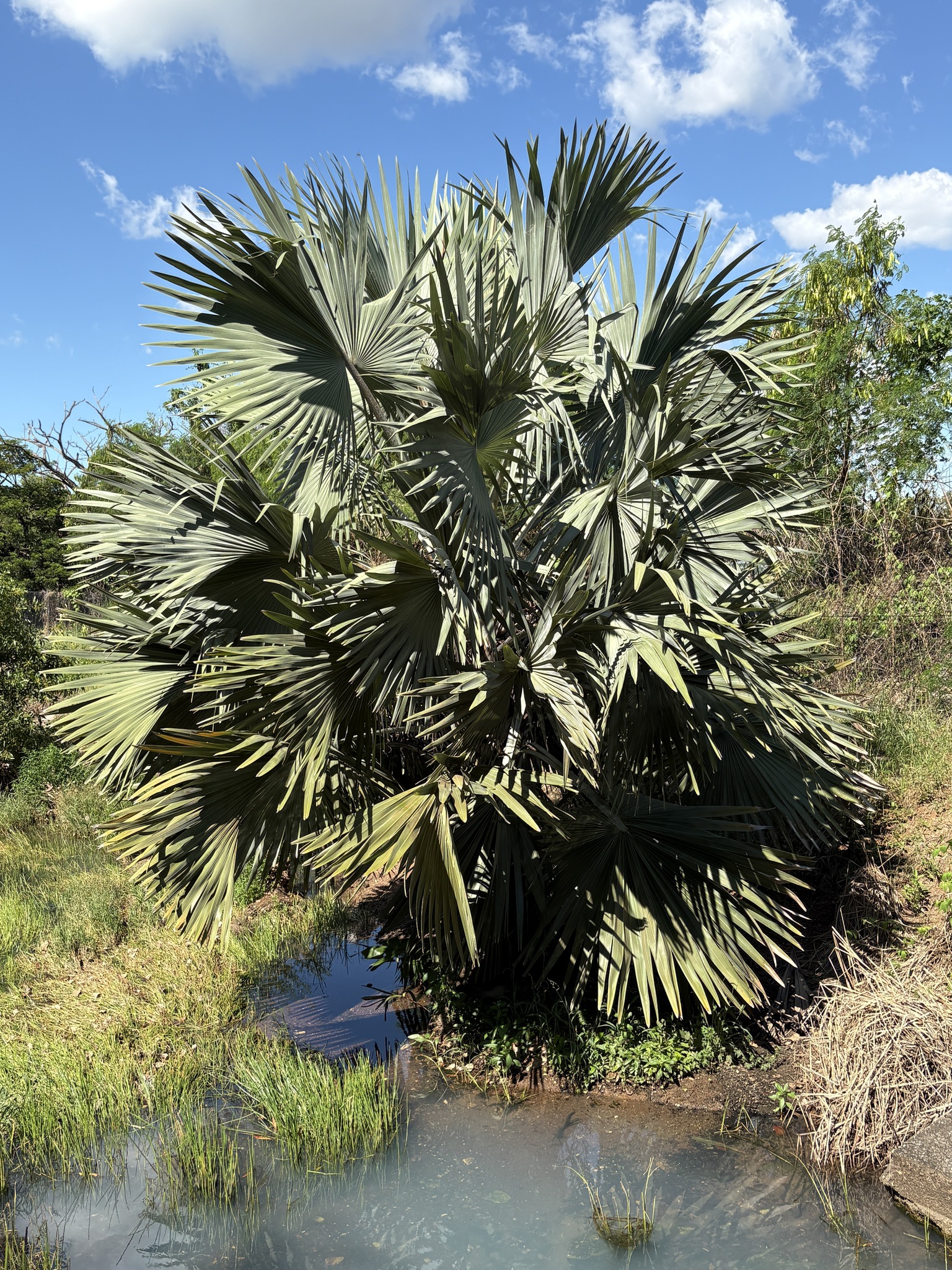
Bismarck Palm
Bismarckia nobilis
☀️ Full Sun 💧 Low

Bottle Palm
Hyophorbe lagenicaulis
☀️ Full Sun 💧 Moderate

Canary Island Date Palm
Phoenix canariensis
☀️ Full Sun 💧 Moderate

Chilean Wine Palm
Jubaea chilensis
☀️ Full Sun 💧 Low

Christmas Palm
Adonidia merrillii
☀️ Full Sun 💧 Moderate
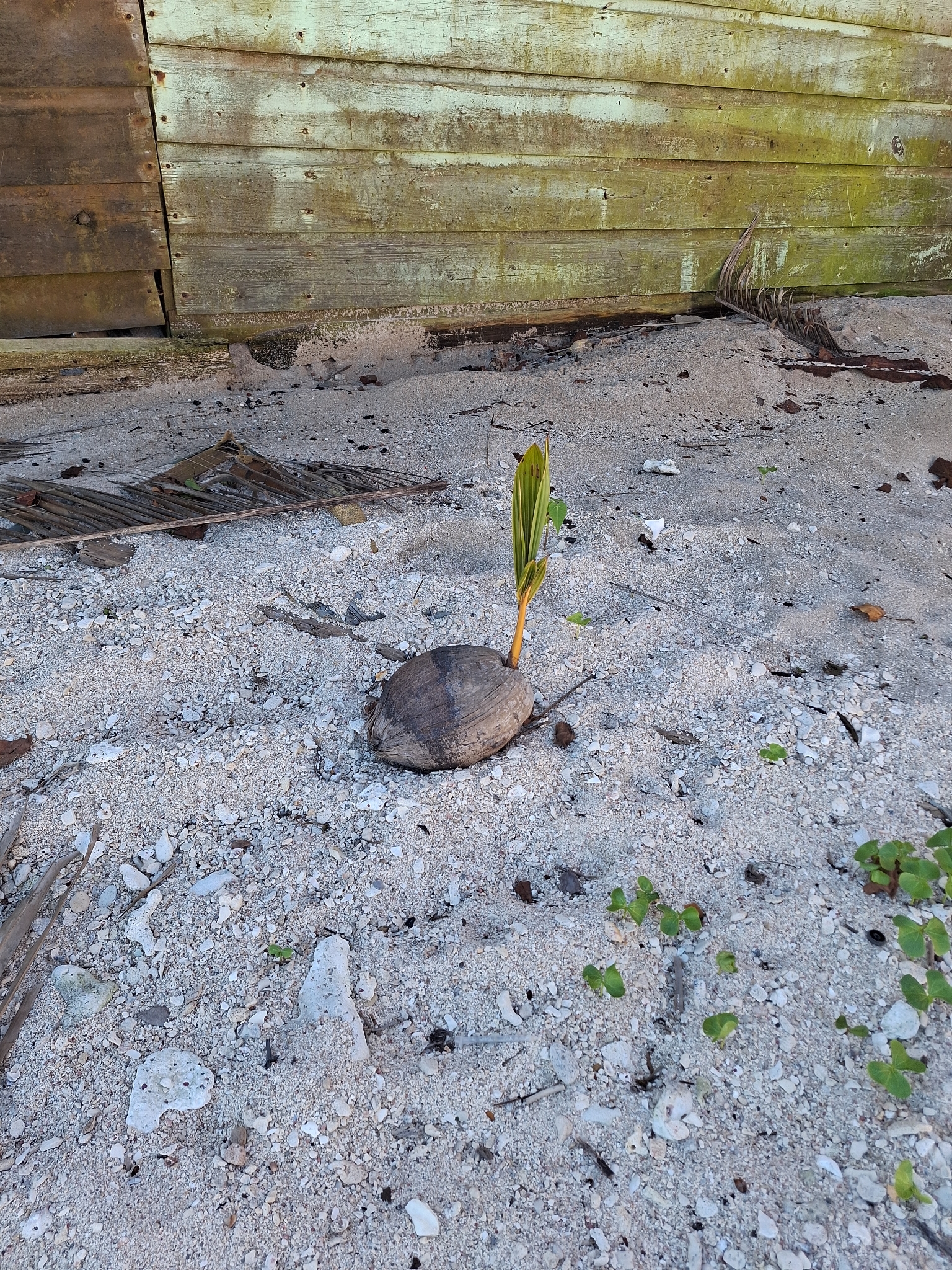
Coconut Palm
Cocos nucifera
☀️ Full Sun 💧 High
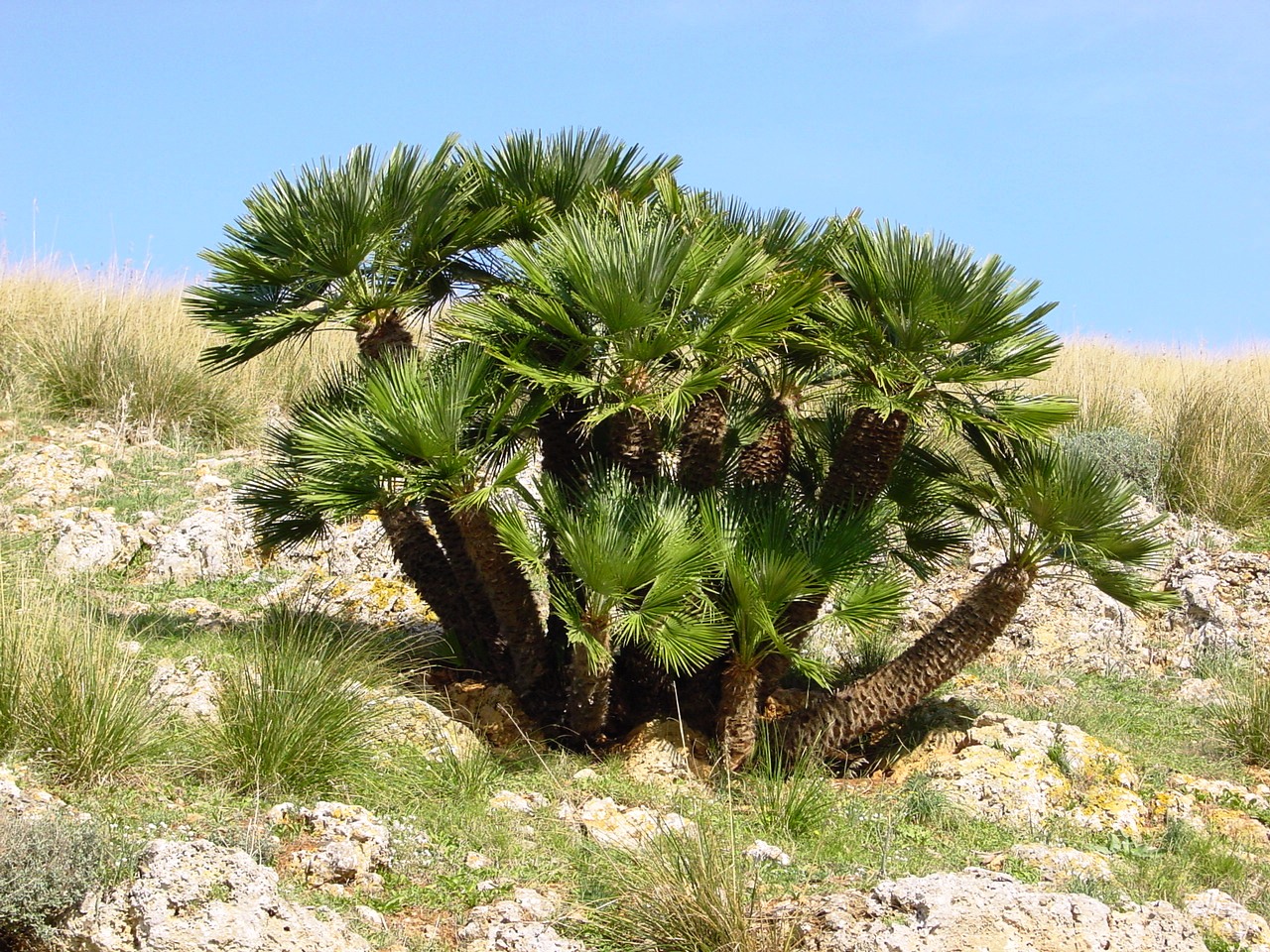
European Fan Palm
Chamaerops humilis
☀️ Full Sun 💧 Low

Fishtail Palm
Caryota mitis
☀️ Bright Indirect 💧 High
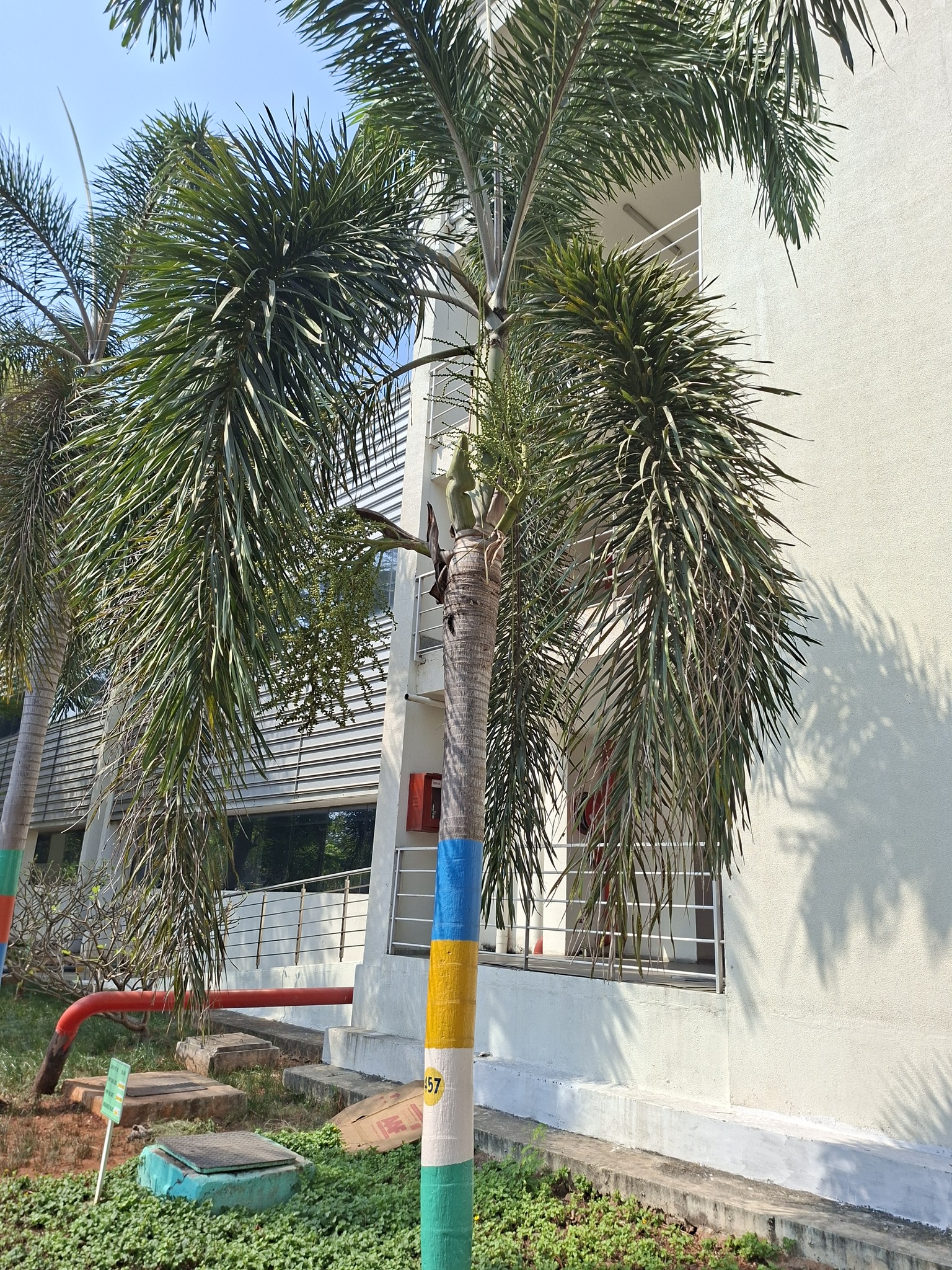
Foxtail Palm
Wodyetia bifurcata
☀️ Full Sun 💧 Moderate

Huasi Palm
Euterpe precatoria
☀️ Full Sun 💧 High
Kentia Palm
Howea forsteriana
☀️ Bright Indirect 💧 Moderate

Macarthur Palm
Ptychosperma macarthurii
☀️ Partial Sun 💧 Moderate

Majesty Palm
Ravenea rivularis
☀️ Bright Indirect 💧 High

Moriche Palm
Mauritia flexuosa
💧 Aquatic

Nipa Palm
Nypa fruticans
☀️ Full Sun 💧 Aquatic

Parlor Palm
Chamaedorea elegans
☀️ Low Light 💧 Moderate
Pygmy Date Palm
Phoenix roebelenii
☀️ Bright Indirect 💧 Moderate
Queen Palm
Syagrus romanzoffiana
☀️ Full Sun 💧 Moderate

Red Latan Palm
Latania lontaroides
☀️ Full Sun 💧 Moderate
Common Questions
Can palm trees survive freezing winter temperatures?
Several palm species tolerate sub-freezing temperatures, with cold-hardy varieties like the windmill palm (Trachycarpus fortunei) surviving temperatures down to -15 °C (5 °F). Most tropical species, however, experience irreversible cellular damage below 7 °C (45 °F) and die if the terminal bud freezes.
How often should you water potted palms?
Water potted palms when the top 3 to 5 cm (1 to 2 in) of soil feels dry, which typically equates to once every 7 to 10 days during active spring and summer growth. Always use containers with unobstructed drainage holes, as standing water depletes soil oxygen and causes lethal root rot within weeks.
Should you cut off yellow or discolored palm fronds?
Only remove palm fronds that have turned completely brown and dry from the tip down to the leaf base. Palms actively withdraw mobile nutrients like potassium and magnesium from aging yellow or bronze fronds to fuel new leaf production at the apical bud; cutting them early causes severe nutrient deficiencies.