Guide to Anacardiaceae Plants
22 plant profiles · Anacardiaceae family plants list, from mango, ambarella and marula to poison ivy and Brazilian pepper. Shared features, irritant sap and species care.
The family Anacardiaceae contains approximately 800 species of trees, shrubs, and woody vines across 82 genera, best known for producing commercial nuts, tropical fruits, resinous sap, and skin-irritating compounds. Most members originate in warm temperate and tropical regions spanning North America, South America, Africa, and Asia.
Resin canals located in the bark and leaves define this family, often exuding clear or milky sap that hardens into gum. Cultivated food species include mango (Mangifera indica), cashew (Anacardium occidentale), pistachio (Pistacia vera), and marula (Sclerocarya birrea). Temperate landscapes utilize cold-hardy species such as staghorn sumac (Rhus typhina) and mastic (Pistacia lentiscus), which tolerate low-nutrient soils and prolonged dry periods.
Choosing plants from this family requires balancing food production, landscape structure, and potential contact allergies. Wild species like poison ivy (Toxicodendron radicans) produce high concentrations of skin toxins that cause allergic contact dermatitis. When selecting a species to plant, match its cold hardiness to your climate—ranging from USDA zone 3 for cold-hardy sumacs down to tropical zones 10-12 for mangoes and cashews—and provide a location with full sun exposure and well-draining soil.

African Sumac
Searsia lancea
☀️ Full Sun 💧 Low
Ambarella
Spondias dulcis
☀️ Full Sun 💧 Moderate
Atlantic Pistachio
Pistacia atlantica
☀️ Full Sun 💧 Low

Atlantic Poison Oak
Toxicodendron pubescens
☀️ Partial Sun 💧 Low

Binjai
Mangifera caesia
☀️ Full Sun 💧 High
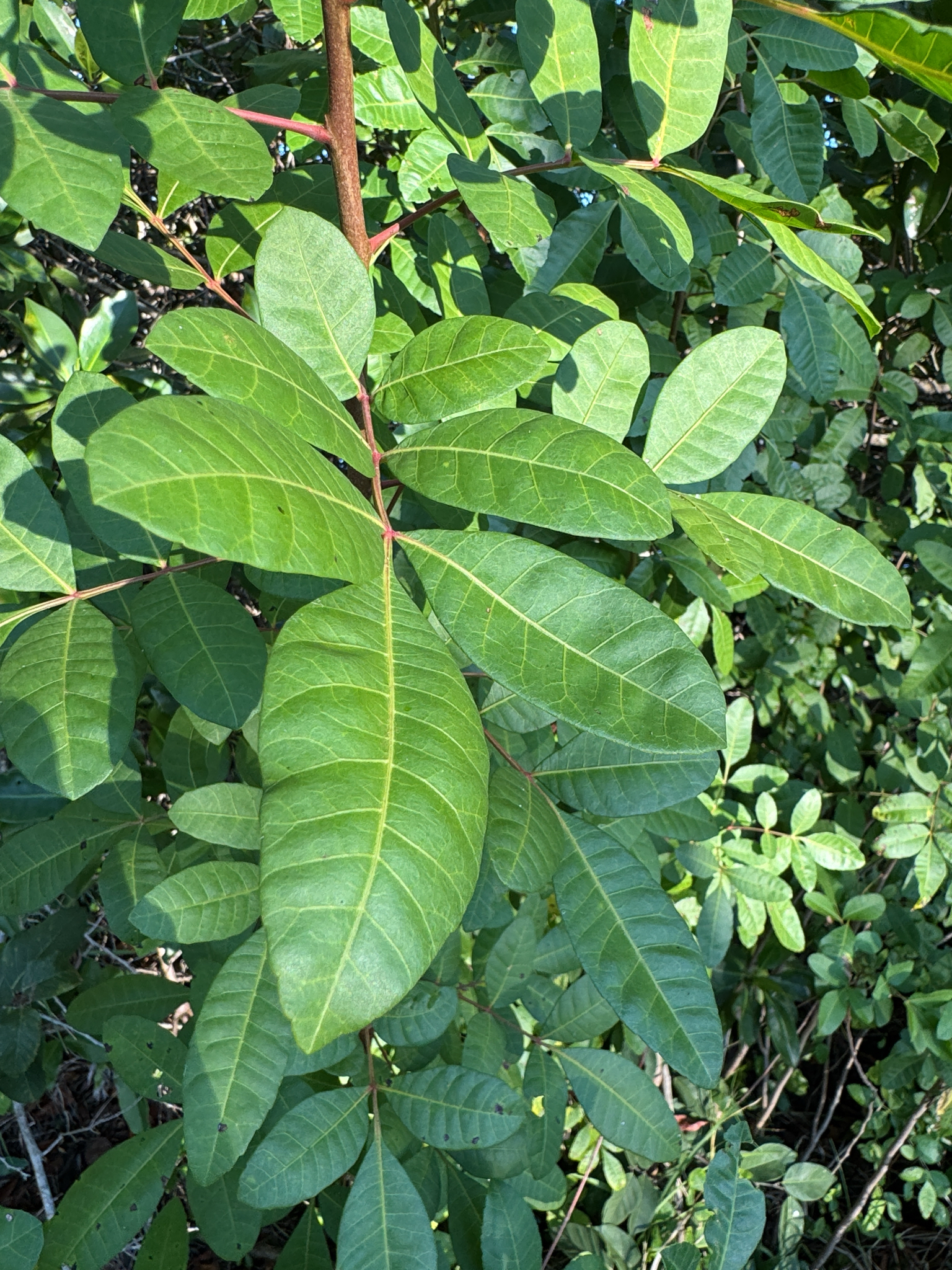
Brazilian Pepper
Schinus terebinthifolia
☀️ Full Sun 💧 Low

Cashew
Anacardium occidentale
☀️ Full Sun 💧 Moderate

Dune Crowberry
Searsia crenata
☀️ Full Sun 💧 Low

Hog Plum
Spondias mombin
☀️ Full Sun 💧 Moderate
Hog Plum
Spondias purpurea
☀️ Full Sun 💧 Low

Mango
Mangifera indica
☀️ Full Sun 💧 Moderate

Marula
Sclerocarya birrea
☀️ Full Sun 💧 Low

Mastic
Pistacia lentiscus
☀️ Full Sun 💧 Low

Mountain Karee
Searsia leptodictya
☀️ Full Sun 💧 Low

Peruvian Pepper Tree
Schinus molle
☀️ Full Sun 💧 Low
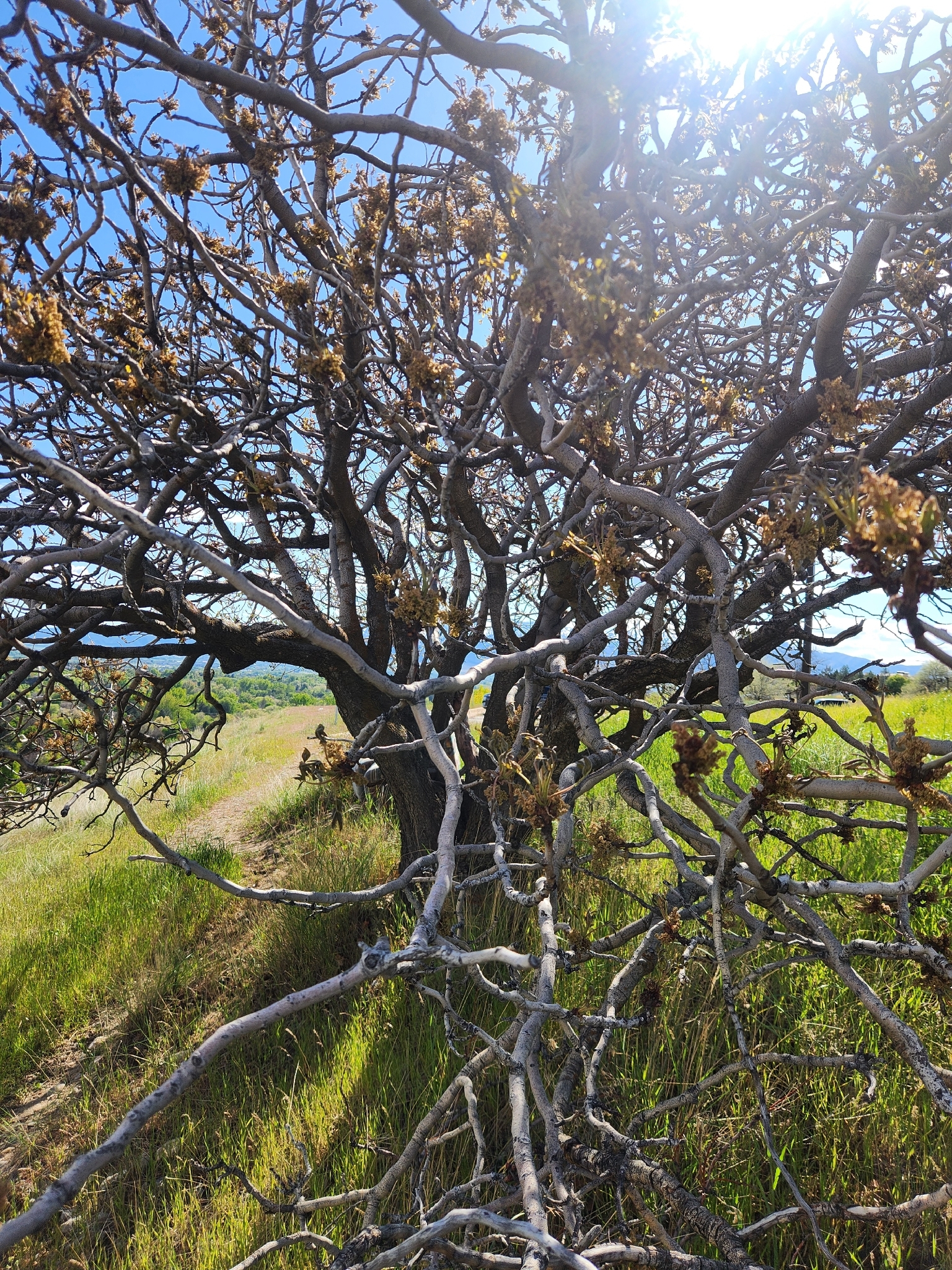
Pistachio
Pistacia vera
☀️ Full Sun 💧 Low

Poison Ivy
Toxicodendron radicans

Red Quebracho
Schinopsis balansae

Sicilian Sumac
Rhus coriaria
☀️ Full Sun 💧 Low

Staghorn Sumac
Rhus typhina
☀️ Full Sun 💧 Low

Umbu
Spondias tuberosa
☀️ Full Sun 💧 Low

Wild Mango
Spondias pinnata
☀️ Full Sun 💧 Moderate
Common Questions
What plants belong to the Anacardiaceae family?
The Anacardiaceae family includes 800 species of woody plants, including commercial crops like mango, pistachio, and cashew, alongside wild species like poison ivy and sumac.
Why do Anacardiaceae plants cause skin irritation?
Anacardiaceae plants produce resinous compounds called urushiol, an organic oily resin that triggers allergic contact dermatitis upon contact with skin.
Are cashew and mango related?
Yes, cashew and mango belong to the same botanical family, Anacardiaceae, sharing resin ducts and single-seeded drupe fruit structures.
What climate do Anacardiaceae plants prefer?
Most Anacardiaceae species require full sun and thrive in warm temperate to tropical climates with temperatures consistently above 15 °C (59 °F).