Plantaginaceae Family: Identification, Care, and Species Guide
18 plant profiles · Explore the Plantaginaceae family, including foxglove, snapdragon, and plantain. Learn plant characteristics, light needs, and cultivation tips.
The plantain family, Plantaginaceae, comprises approximately 90 genera and over 1,900 species ranging from temperate roadside herbs to tropical aquatic plants. DNA research expanded Plantaginaceae by transferring many traditional figwort family genera into it. Most family members share two-lipped tubular flowers or dense spikes, simple leaf arrangements, and dry seed capsules.
Growing requirements depend on the natural habitat of each genus. Bedding ornamentals such as snapdragon (Antirrhinum majus), summer snapdragon (Angelonia angustifolia), and foxglove (Digitalis purpurea) require 6-8 hours of direct light and moist soil. Arching perennials like firecracker plant (Russelia equisetiformis) tolerate drought down to -2 °C (28 °F), whereas aquatic species like water hyssop (Bacopa monnieri) must remain submerged or grown in saturated mud.
Choose species based on site conditions and safety needs. Turf weeds like broadleaf plantain (Plantago major) tolerate heavy soil compaction, while psyllium (Plantago ovata) is grown commercially for seed husk fibre. Pay close attention to toxicity: while plantains are non-toxic, all parts of foxglove contain cardiac glycosides that disrupt heart rhythm in humans, dogs, and cats.

Asian Plantain
Plantago asiatica
☀️ Full Sun 💧 Moderate

Blue Toadflax
Nuttallanthus canadensis
☀️ Full Sun 💧 Low
Branched Plantain
Plantago arenaria

Broadleaf Plantain
Plantago major
☀️ Full Sun 💧 Moderate

Brooklime
Veronica beccabunga
☀️ Partial Sun 💧 High

Buck’s-Horn Plantain
Plantago coronopus
Common Speedwell
Veronica officinalis
☀️ Partial Sun 💧 Moderate
Common Speedwell
Veronica arvensis

Common Toadflax
Linaria vulgaris

Firecracker Plant
Russelia equisetiformis
☀️ Full Sun 💧 Low

Foxglove
Digitalis purpurea
☀️ Partial Shade 💧 Moderate
Lemon Bacopa
Bacopa caroliniana
☀️ Bright Indirect 💧 High
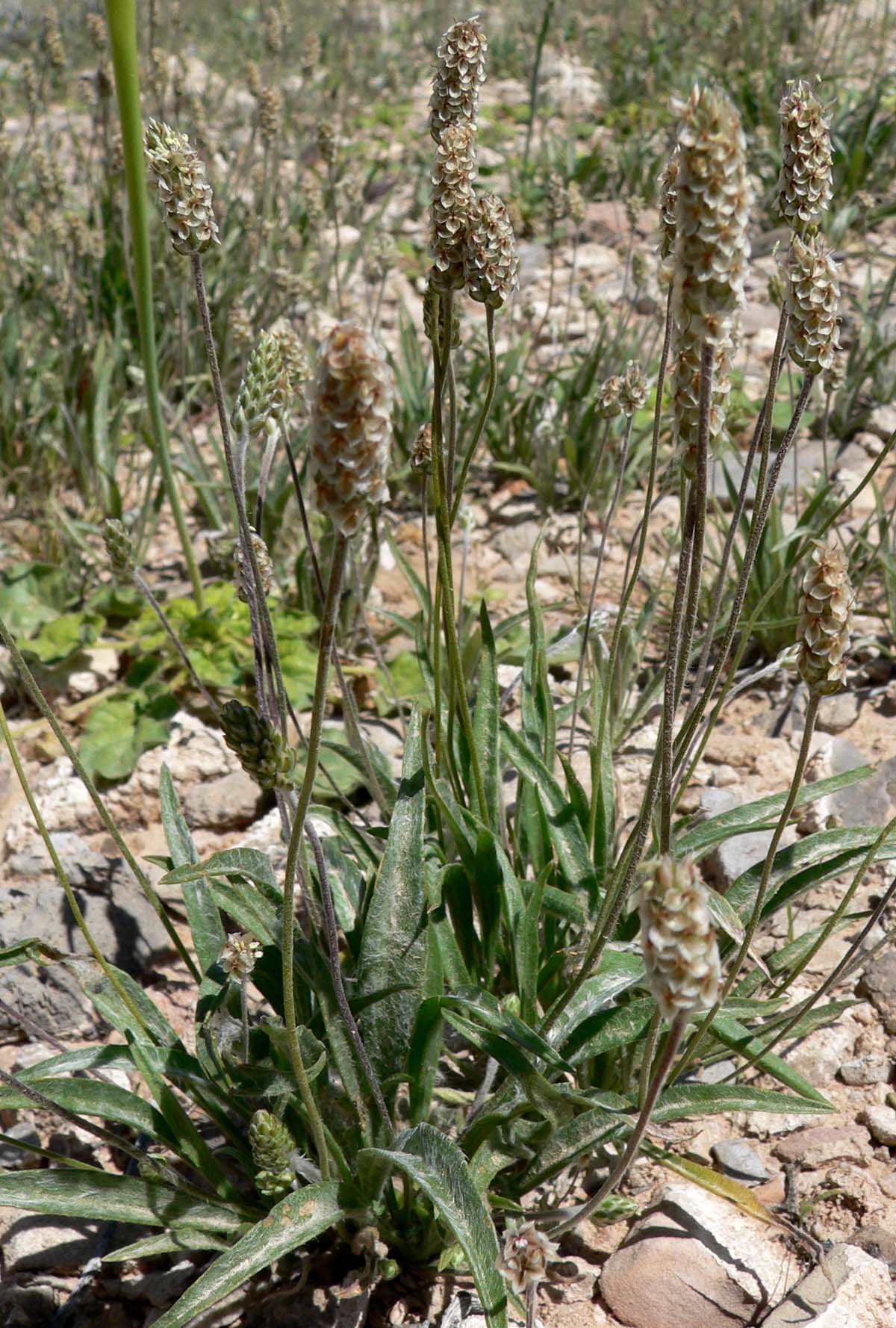
Psyllium
Plantago ovata
☀️ Full Sun 💧 Low

Rice Paddy Herb
Limnophila aromatica
☀️ Full Sun 💧 High

Snapdragon
Antirrhinum majus
☀️ Full Sun 💧 Moderate

Summer Snapdragon
Angelonia angustifolia
☀️ Full Sun 💧 Moderate

Water Hyssop
Bacopa monnieri
☀️ Full Sun 💧 High
Woolly Foxglove
Digitalis lanata
☀️ Full Sun 💧 Moderate
Common Questions
What defines plants in the Plantaginaceae family?
Plants in Plantaginaceae typically feature opposite or alternate leaves, dry capsule fruits, and tubular or two-lipped flowers grouped in spikes or racemes. The family includes herbaceous weeds, garden ornamentals, and aquatic perennials.
Are all Plantaginaceae plants toxic to pets?
No, toxicity varies by genus within the Plantaginaceae family. Members of the genus Digitalis are extremely toxic due to cardiac glycosides, whereas Plantago species like broadleaf plantain are non-toxic.
How do you care for Plantaginaceae garden plants?
Most terrestrial garden plants in Plantaginaceae require 6 hours of full sunlight, neutral soil with a pH of 6.0-7.0, and 2.5 cm (1 in) of water per week. Aquatic members require saturated substrate or standing water.