Plants Native to the Caucasus Region
58 plant profiles · Explore plants native to the Caucasus region, from mountain conifers like Caucasian spruce to flowering perennials like the Lenten rose.
The Caucasus region sits between the Black Sea and the Caspian Sea, forming a major biodiversity hotspot that spans alpine peaks, dry steppes, and humid coastal temperate rainforests. Plants native to this region have adapted to intense cold snaps, alkaline limestone soils, and dramatic elevation shifts from sea level up to 4,000 m (13,100 ft). Choose species from this flora based on your local rainfall and winter temperatures, as alpine perennials handle frost down to -30 °C (-22 °F) while lowland coastal species require shelter from dry winds.
Evergreen conifers dominate the high-altitude mountain forests, including the tall Nordmann fir (Abies nordmanniana) and the dense Caucasian spruce (Picea orientalis), both capable of reaching mature heights over 30 m (98 ft). In drier, rocky habitats, the drought-tolerant Caucasian oak (Quercus macranthera) grows on sun-exposed slopes. Deciduous flowering shrubs such as sweet mock-orange (Philadelphus coronarius) flourish along forest margins, producing 2.5 cm (1 in) citrus-scented white flowers during early summer.
Low-growing perennials provide ground cover across woodland floors and rocky screes. The evergreen Lenten rose (Helleborus orientalis) blooms through winter frost in partial shade, whereas the drought-tolerant dwarf iris (Iris pumila) needs full sun and sandy grit to produce spring blooms. Plant woodland species in moisture-retentive, organic-rich soil, and reserve sharply drained, gravelly beds for alpine bulbs and dryland shrubs.

Alpine Currant
Ribes alpinum
☀️ Partial Shade 💧 Moderate
Angular Solomon’s Seal
Polygonatum odoratum
☀️ Partial Shade 💧 Moderate

Annual Baby’s Breath
Gypsophila elegans
☀️ Full Sun 💧 Moderate

Apple Rose
Rosa villosa
☀️ Full Sun 💧 Moderate

Apricot
Prunus armeniaca
☀️ Full Sun 💧 Moderate

Armenian Blackberry
Rubus armeniacus
☀️ Full Sun 💧 Moderate

Big Betony
Betonica macrantha
☀️ Full Sun 💧 Moderate
Birthwort
Aristolochia clematitis

Bloody Cranesbill
Geranium sanguineum
☀️ Full Sun 💧 Low

Caucasian Oak
Quercus macranthera
☀️ Full Sun 💧 Moderate

Caucasian Spruce
Picea orientalis
☀️ Full Sun 💧 Moderate
Caucasus Apple
Malus orientalis
☀️ Full Sun 💧 Moderate
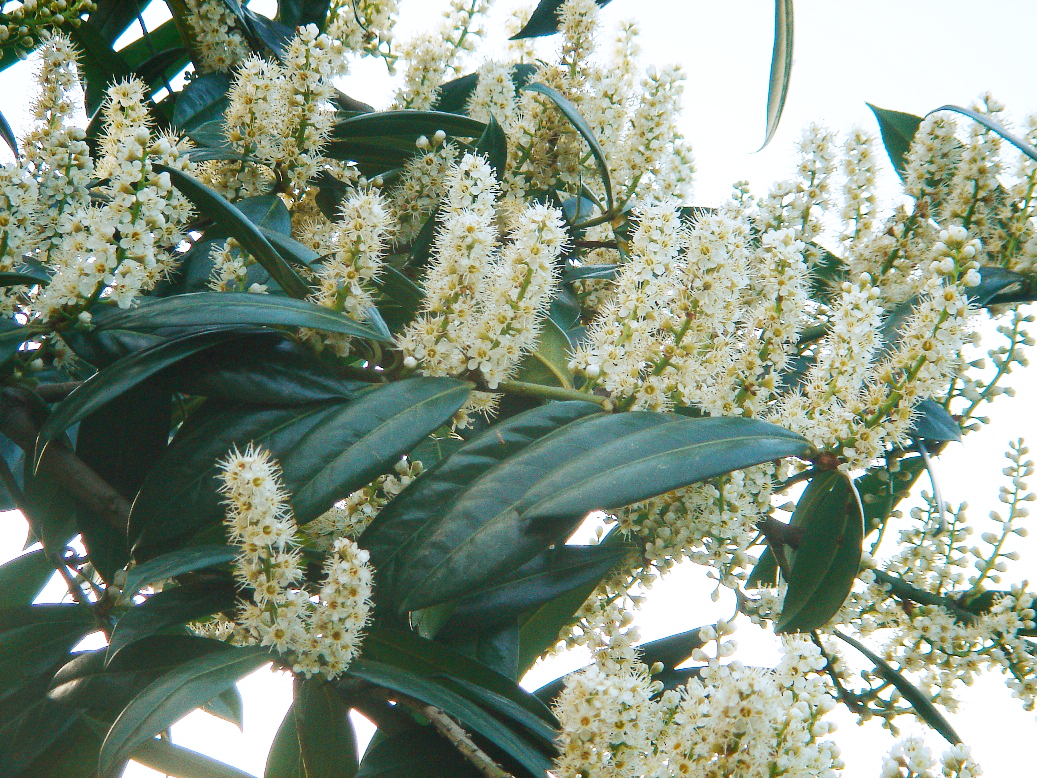
Cherry Laurel
Prunus laurocerasus
☀️ Partial Sun 💧 Moderate

Cherry Plum
Prunus cerasifera
☀️ Full Sun 💧 Moderate

Chervil
Anthriscus cerefolium
☀️ Partial Shade 💧 High
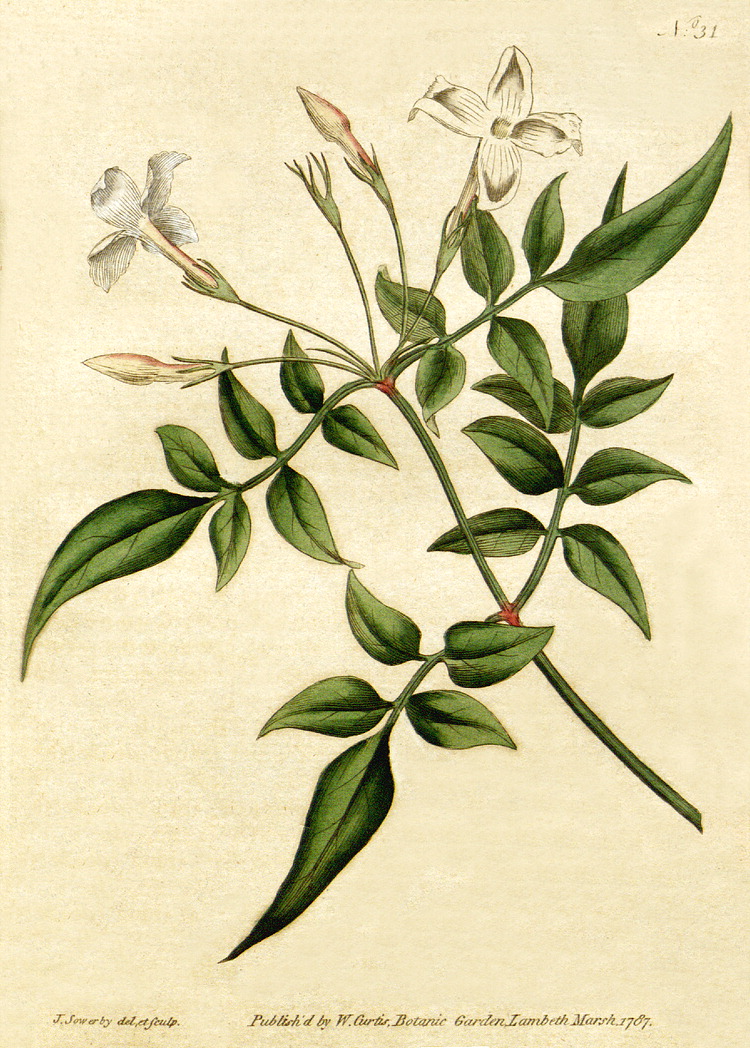
Common Jasmine
Jasminum officinale
☀️ Full Sun 💧 Moderate

Common Rhododendron
Rhododendron ponticum
☀️ Partial Shade 💧 Moderate
Corymb Rose
Rosa corymbifera
☀️ Full Sun 💧 Moderate

Crosswort
Cruciata laevipes
☀️ Partial Sun 💧 Moderate

Cuckoo Pint
Arum maculatum

Dwarf Iris
Iris pumila
☀️ Full Sun 💧 Low

Dwarf Russian Almond
Prunus tenella
☀️ Full Sun 💧 Low

European Ash
Fraxinus excelsior
☀️ Full Sun 💧 Moderate
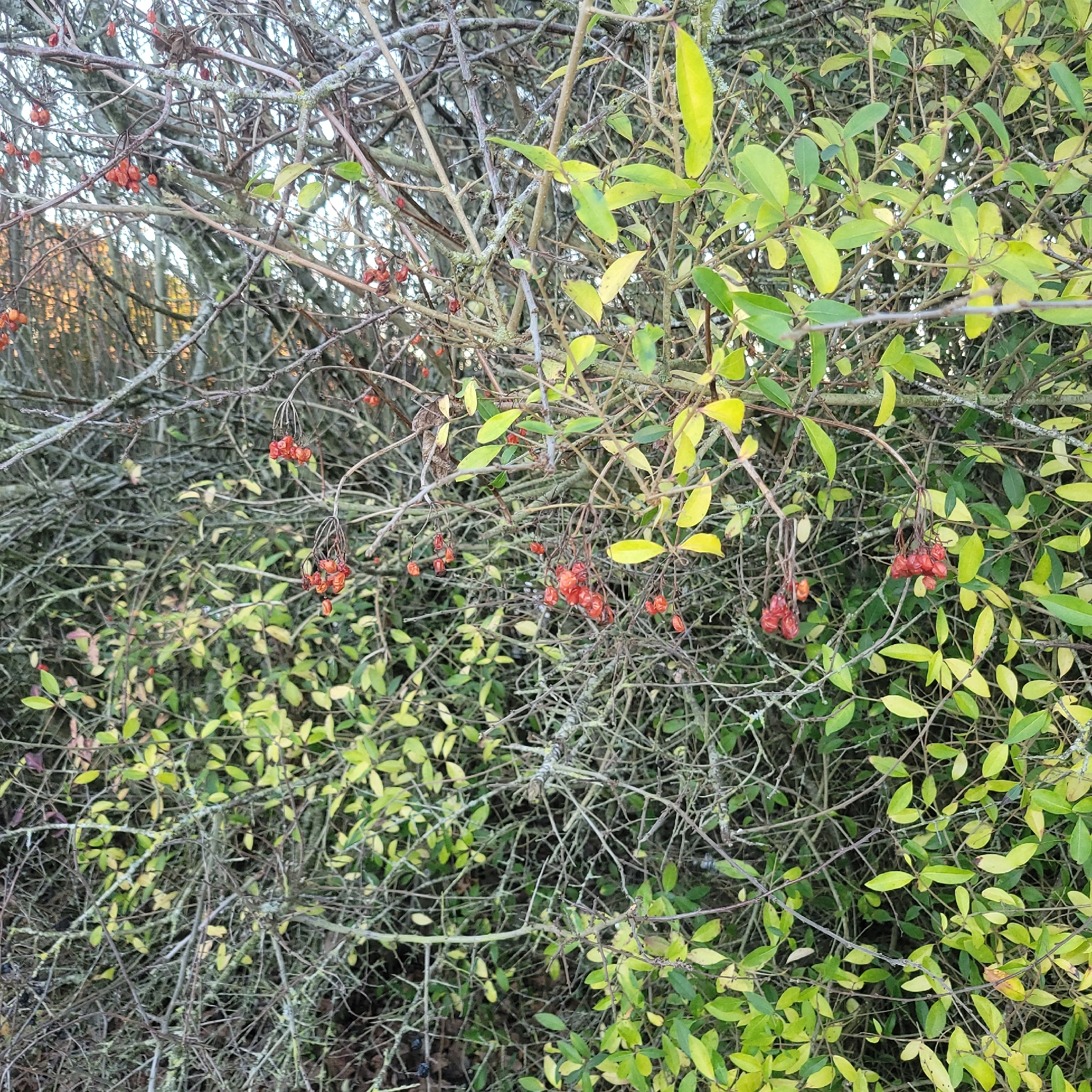
European Spindle
Euonymus europaeus
☀️ Full Sun 💧 Moderate
Common Questions
What soil conditions do plants native to the Caucasus prefer?
Most plants native to the Caucasus prefer well-draining soil with a neutral to alkaline pH between 6.5 and 7.8, reflecting the limestone bedrock common across the Caucasian mountain ranges. Alpine species require coarse sand or gravel to prevent root rot, whereas woodland species thrive in soil rich in leaf mold.
Which Caucasus trees make suitable landscape conifers?
Nordmann fir and Caucasian spruce are two excellent conifer options from the region, known for dense foliage and high cold hardiness down to USDA Zone 4. Nordmann fir features deep green, non-prickly needles, while Caucasian spruce offers a narrow form with exceptionally short 6 mm (0.25 in) needles.
Are plants from the Caucasus region cold hardy?
Yes, most plants native to the Caucasus are extremely cold hardy, surviving winter temperatures between -15 °C and -35 °C (5 °F to -31 °F). Their high-altitude origins equip them to withstand heavy snowfall, late spring freezes, and harsh alpine winds.