Plants Native to East Asia: Growing Guide and Species List
69 plant profiles · Explore plants native to East Asia, including hardy shrubs, edible trees, and shade ferns. Learn growing conditions, hardiness zones, and light needs.
Plants native to East Asia span USDA hardiness zones 3 through 10 across temperate forests, high-altitude mountain slopes, and coastal river valleys. This region produced many foundation plants for cold-temperate gardens, sharing strong seasonal rhythms of cold winters and warm, wet summers.
When selecting species from this group, choose based on soil acidity and sunlight exposure. Acid-loving ericaceous shrubs like Japanese Andromeda (Pieris japonica) require a pH of 4.5 to 5.5 and partial shade, while flowering vines like Japanese Wisteria (Wisteria floribunda) demand full sun and sturdy support structures to carry heavy woody growth. Deciduous trees such as Ginkgo (Ginkgo biloba) tolerate urban pollution and soil compaction across zones 4 to 9.
Edible and medicinal crops thrive under specific water schedules. Goji Berry (Lycium barbarum) and Jujube (Ziziphus jujuba) produce fruit best in regions with dry summers, requiring minimal irrigation once established. Perennial vegetables like Welsh Onion (Allium fistulosum) prefer moisture-retentive soil with a neutral pH of 6.0 to 7.0, while ornamental shrubs like Old-Fashioned Weigela (Weigela florida) rely on moderate spring moisture to set flower buds on year-old wood.

Adzuki Bean
Vigna angularis
☀️ Full Sun 💧 Moderate
Angular Solomon’s Seal
Polygonatum odoratum
☀️ Partial Shade 💧 Moderate

Autumn Olive
Elaeagnus umbellata
☀️ Full Sun 💧 Low

Black Bamboo
Phyllostachys nigra
☀️ Full Sun 💧 Moderate

Bridal Wreath Spirea
Spiraea cantoniensis
☀️ Full Sun 💧 Moderate

Chinese Fan Palm
Livistona chinensis
☀️ Bright Indirect 💧 Moderate

Chinese Honey Locust
Gleditsia sinensis
☀️ Full Sun 💧 Low

Chinese Onion
Allium chinense
☀️ Full Sun 💧 Moderate
Chuanxiong
Oreocome striata
☀️ Partial Shade 💧 Moderate

Confederate Rose
Hibiscus mutabilis
☀️ Full Sun 💧 Moderate

Dong Quai
Angelica sinensis
☀️ Partial Sun 💧 Moderate

Few-Flowered Sedge
Carex pauciflora
☀️ Full Sun 💧 High
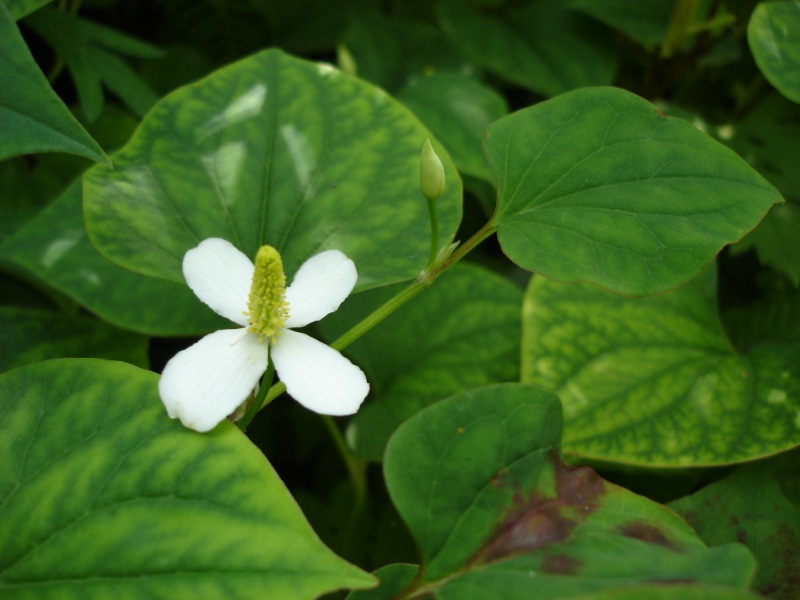
Fish Mint
Houttuynia cordata
☀️ Partial Shade 💧 High

Florist’s Chrysanthemum
Chrysanthemum morifolium
☀️ Full Sun 💧 Moderate

Garlic Chives
Allium tuberosum
☀️ Full Sun 💧 Moderate
Giant Knotweed
Reynoutria sachalinensis

Ginkgo
Ginkgo biloba
☀️ Full Sun 💧 Low

Goji Berry
Lycium barbarum
☀️ Full Sun 💧 Moderate

Golden Rain Tree
Koelreuteria paniculata
☀️ Full Sun 💧 Low

Hart’s-Tongue Fern
Asplenium scolopendrium
☀️ Partial Shade 💧 Moderate

Heavenly Bamboo
Nandina domestica
☀️ Partial Sun 💧 Moderate

Hollyhock
Alcea rosea
☀️ Full Sun 💧 Moderate

Indian Azalea
Rhododendron simsii
☀️ Partial Shade 💧 Moderate
Indian Snakeroot
Rauvolfia serpentina
☀️ Partial Shade 💧 High
Common Questions
Which East Asian plants grow best in full shade?
Japanese Andromeda (Pieris japonica) and Hart's-Tongue Fern (Asplenium scolopendrium) grow reliably in full shade with moist, organic-rich soil.
Are East Asian native plants hardy in cold climates?
Most temperate East Asian species tolerate winter temperatures down to -29 °C (-20 °F) in USDA hardiness zones 4 to 8.
How much water do East Asian fruit trees need?
Fruit trees like Jujube (Ziziphus jujuba) require 2.5 cm (1 in) of water per week during establishment, becoming drought-tolerant at maturity.
Which East Asian plants attract pollinators?
Old-Fashioned Weigela (Weigela florida) and Goji Berry (Lycium barbarum) attract bees and hummingbirds with nectar-rich tubular blossoms from late spring into summer.